
Last updated October 30, 2026
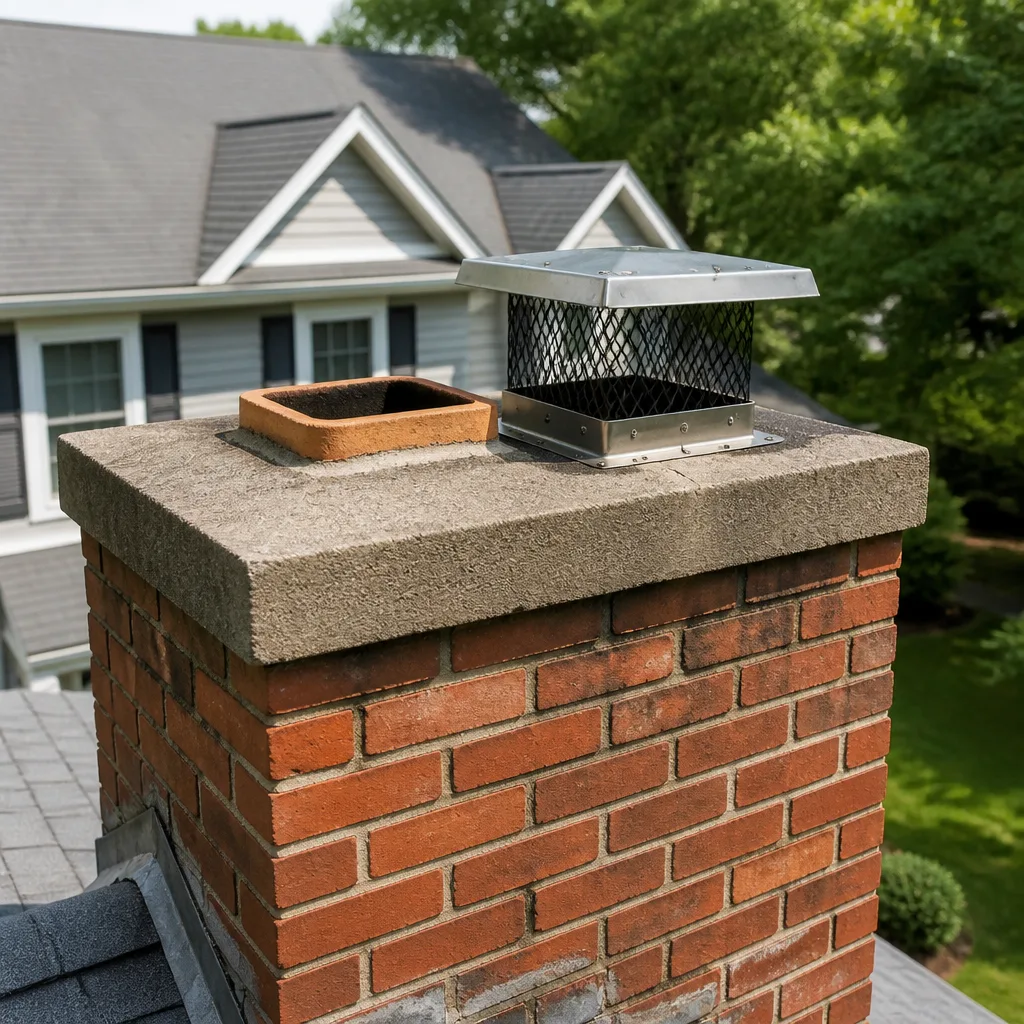 Sweep & inspection
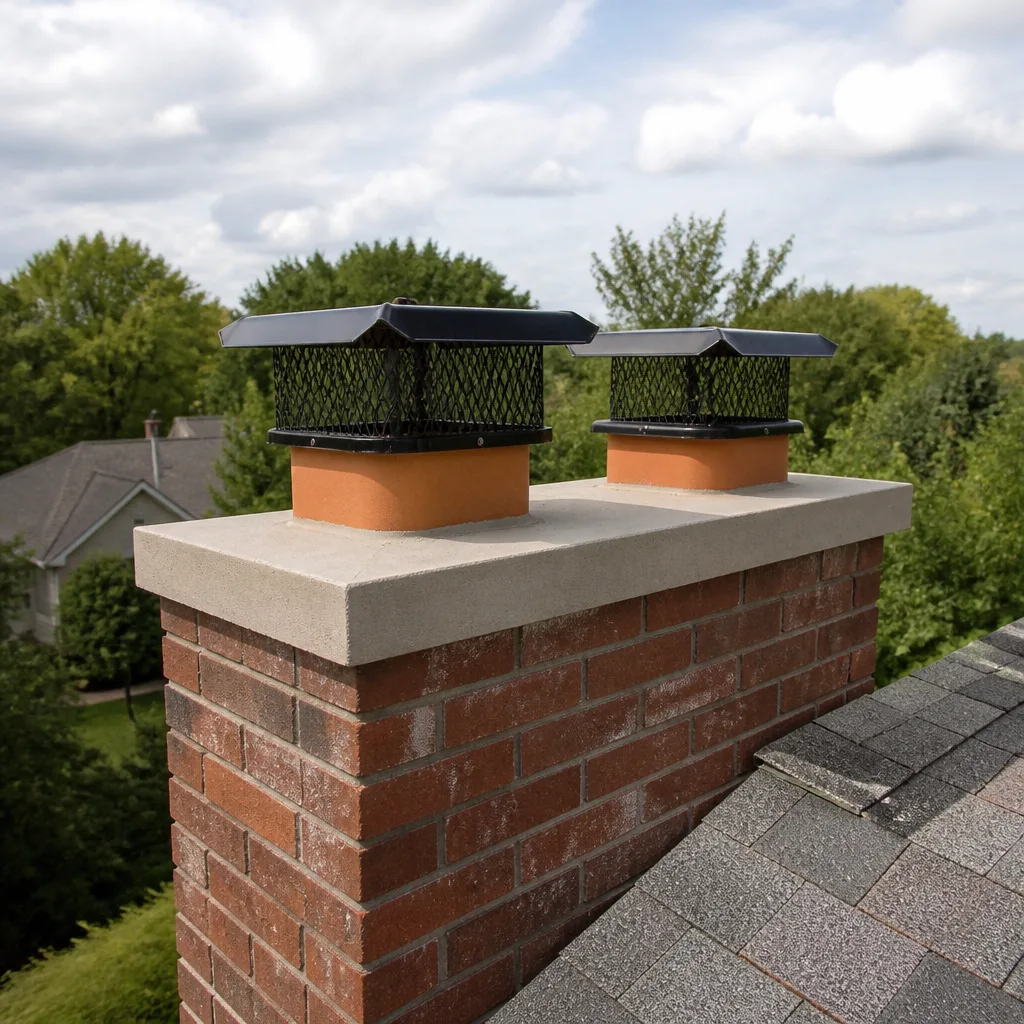 Caps & crowns
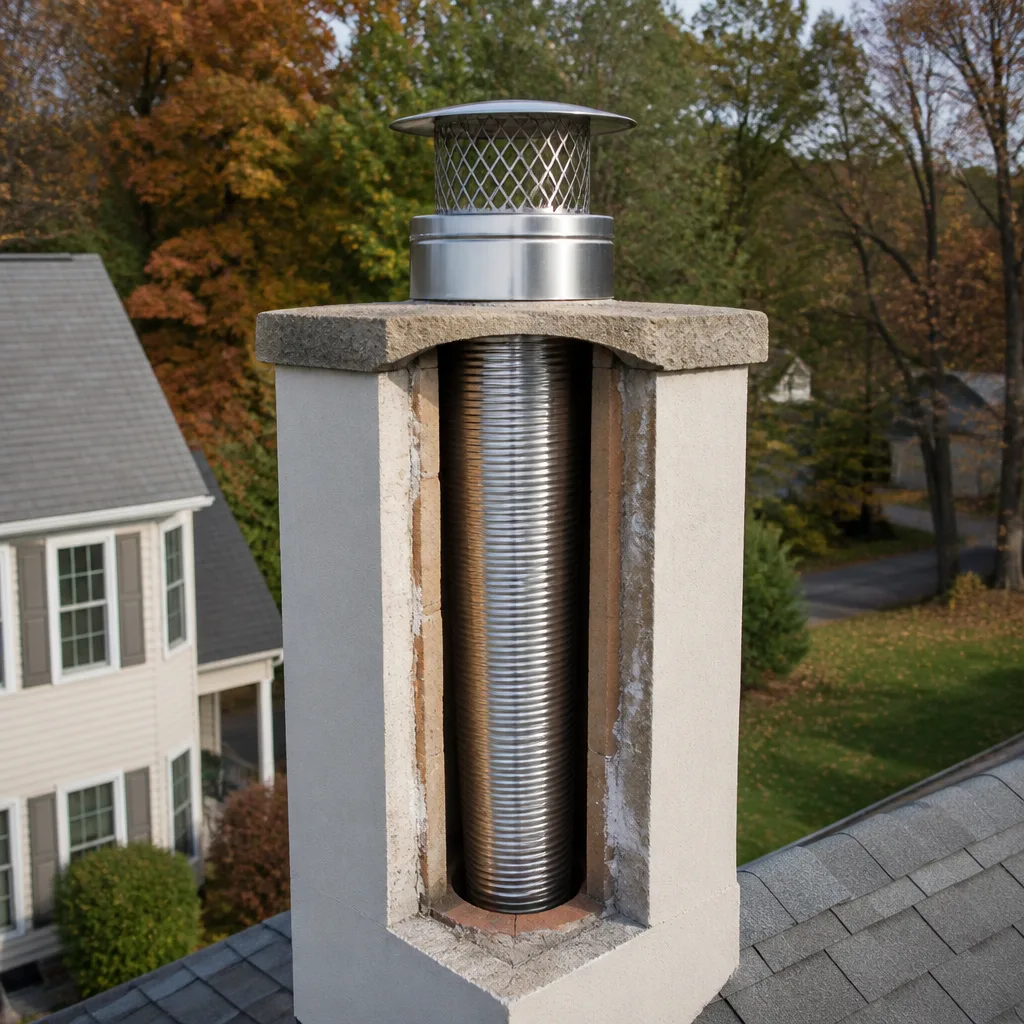 Flue relining
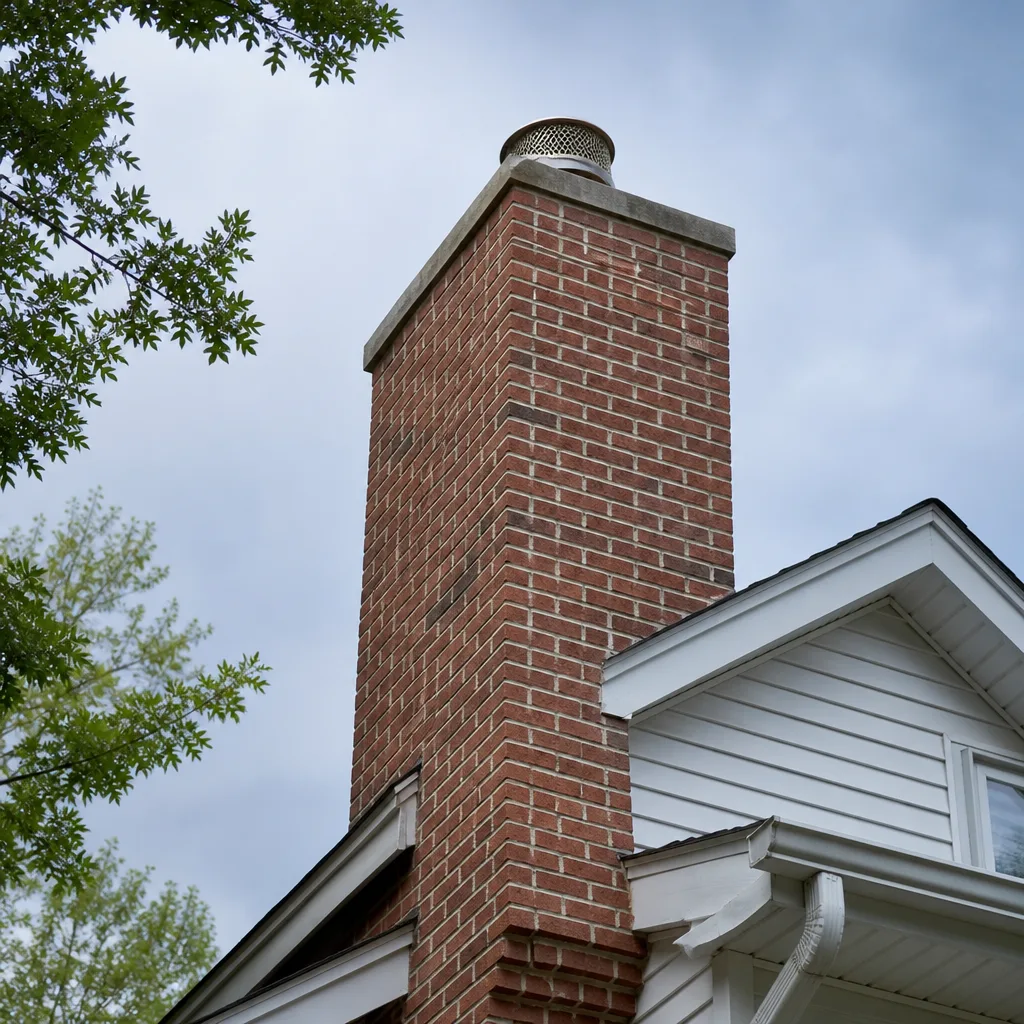 Masonry repair
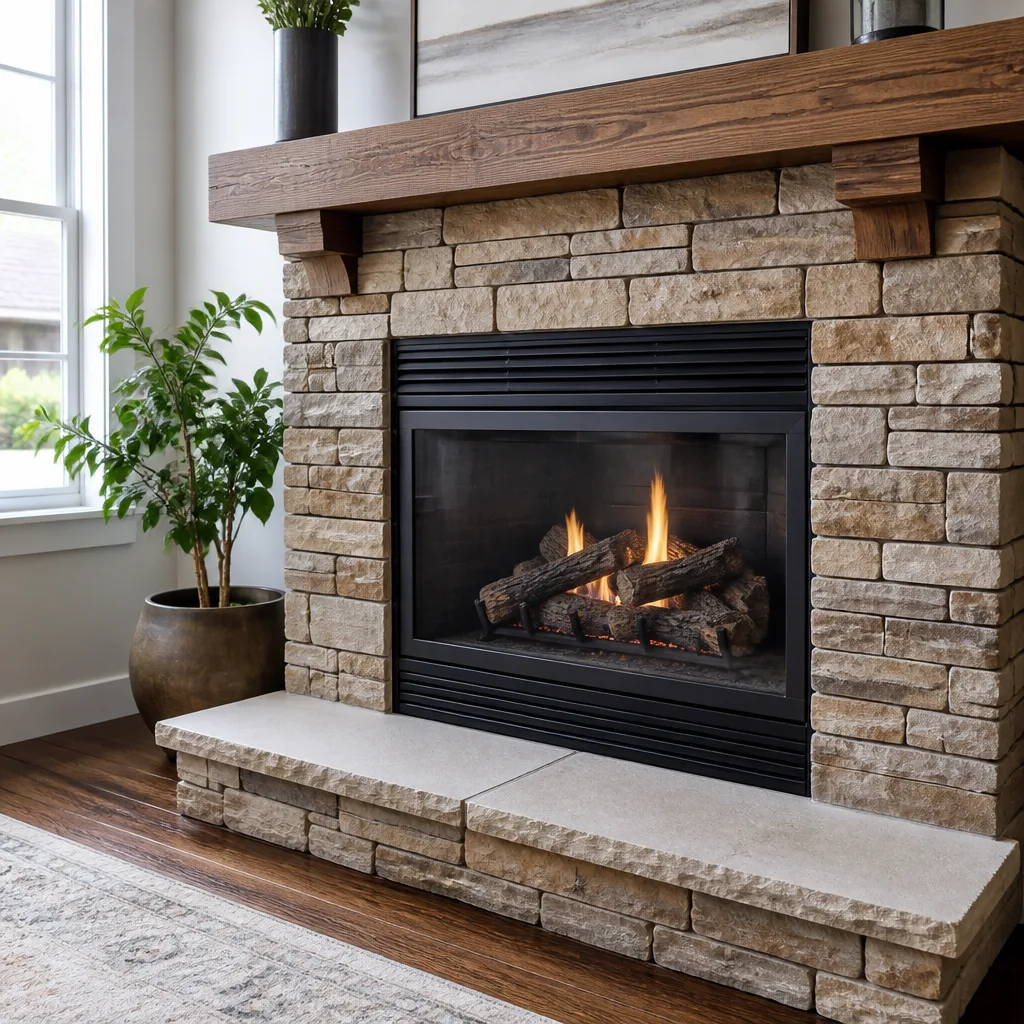 Gas fireplace service
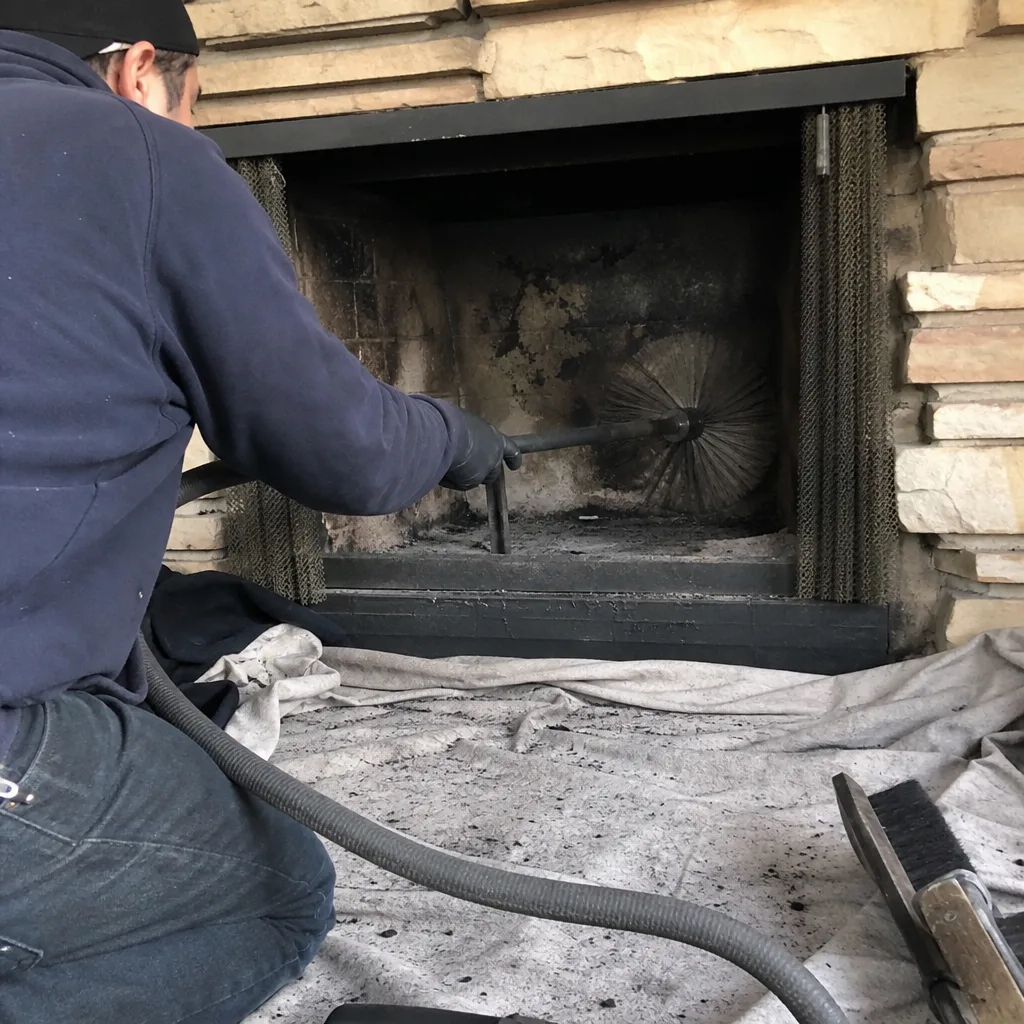
Level 1 sweep and inspection to the NFPA 211 annual standard - flue, crown, cap, and flashing checked and photographed
Chimney sweep logs do not sweep chimneys. They loosen some creosote - which then falls where a brush and vacuum still have to collect it.
Seasonal Chimney Cleaning Care for Downey: Year-Round Homeowner’s Guide
When a Downey homeowner hasn’t touched their fireplace since February and lights it in November without a sweep, they’re not lighting a fire – they’re lighting whatever moved in between. That gap of nine quiet months is where the real story of chimney care lives. Downey’s climate barely shifts between seasons, which makes “seasonal” feel like a word built for someplace else. Someplace with snow. But the seasonal rhythm that matters here has nothing to do with temperature and everything to do with what happens inside an unused flue while the rest of the house runs its air conditioning. This guide covers what actually accumulates in a dormant SoCal chimney, why the weeks before first burn matter more than any other point on the calendar, and what a sensible 12-month care schedule looks like for a Downey home that fires up the hearth five to fifteen times a year. For Chimney Cleaning Cost Breakdown: The Downey Homeowner’s Reference for 2026, see our dedicated pricing guide.
Styles & brands we work with
Quick Answer
For Downey homeowners, the most important chimney service window is October through November – before the first fire of the season, not after the last one. Sweeping then removes nesting material, debris, and creosote that accumulated during months of disuse, and it sets up the whole burning season with a clean, inspected flue. A spring or summer sweep is useful for addressing animal intrusion and moisture issues early, but the pre-burn sweep is the one that protects your home when it matters. Brownstone Chimney Sweep offers Chimney Sweep in Downey with flat-price sweeps and camera inspection included.
Table of Contents
- Why Downey’s Seasons Fool You Into Skipping Chimney Care
- What Moves In During the Off-Season
- The October – November Window: Why It Beats Spring Cleaning
- Off-Season Care: Caps, Drafts, and Dampers
- Gas Fireplaces in Downey: Low-Maintenance Is Not No-Maintenance
- The 12-Month Downey Chimney Care Calendar
- Why Creosote Behaves Differently in a Mild Climate
- Common Mistakes to Avoid
- When to Call a Professional
- Frequently Asked Questions
- The Bottom Line
Why Downey’s Seasons Fool You Into Skipping Chimney Care
Downey runs on a rhythm that barely registers on a thermometer. Summer highs sit in the mid-80s. Winter lows rarely dip below the mid-40s. A fireplace gets used maybe a dozen times between November and February, then sits idle for eight or nine months while nobody gives it a second thought. Compare that to a house in Minnesota, where the fireplace burns daily for five months straight. The Minnesota homeowner knows, without being told, that an annual sweep is non-negotiable. The Downey homeowner looks at the same fireplace and thinks, “We barely use it. It’s fine.”
That logic works backward. Light use doesn’t mean less maintenance, it means a different kind. A chimney that burns hot every day from October to March gets a kind of continuous self-cleaning. A chimney that sits dormant through a dry, windy Southern California spring and a hot, still summer becomes a collection point. Dust, leaves, nesting material, spider webs, and sometimes an actual animal take up residence. The first fire of November burns through all of it at once. That’s not a fire, that’s an incinerator test inside your house.
We’ve swept Downey chimneys that looked spotless after a full season of regular burning, and we’ve swept chimneys that looked like a biology experiment after nine months of disuse. The difference wasn’t how often the family used the fireplace. It was what happened while they weren’t using it.
What Moves In During the Off-Season
The space above your firebox is a vertical tunnel that opens to the sky. For most of the year in Downey, nothing disturbs it. No fire, no draft, no reason for anything to leave. Here’s what we find when we open dampers in September and October, after the long quiet stretch.
Debris and Organic Matter
Downey sits in a basin where winds off the San Gabriel Mountains push dry leaves, twigs, and fine dust through the air from late spring through early fall. Chimney caps with damaged mesh or no cap at all collect this material the way a gutter collects leaves. A couple of inches of dried leaf litter inside a flue is a chimney fire waiting for an ignition source. Even without fire, organic debris holds moisture against the flue wall, which accelerates mortar deterioration in masonry chimneys.
Bird Nesting
Swallows, sparrows, and starlings all nest in unprotected chimney flues throughout Los Angeles County. A completed nest is a dense, twiggy plug that can fill a 6-inch flue in a matter of weeks. A partial nest is worse in some ways because it restricts draft while still allowing combustion gases through, and the restriction changes how your fire breathes. Birds also bring nesting material that sits against the flue wall, where it dries into tinder-grade fuel during the summer heat.
Animal Intrusion
Raccoons, squirrels, and roof rats all use chimneys as den sites in Downey neighborhoods where mature trees overhang rooflines. A raccoon den in a chimney is not subtle. You’ll hear it. Squirrels and rats are quieter and can establish nests deeper in the flue, where you won’t notice until smoke backs up into the living room on the first cold evening. The animal itself may be long gone, but the nest remains, along with droppings that need proper removal, not just burning off. Our Chimney Cleaning Emergency Preparedness Guide for Downey Homes covers what to do when wildlife creates urgent hazards.
Moisture Damage
Downey gets about 14 inches of rain a year, nearly all of it between November and March. That’s a short, concentrated wet season, and an uncapped or improperly capped chimney lets that rain run directly down the flue. Water hitting old clay tile liners causes spalling, which is the flaky, crumbling failure pattern that eventually requires a liner replacement. We also see rusted dampers and rusted firebox components from water intrusion that happened months before the homeowner noticed anything. A Chimney Repair in Downey call often starts with a sweep that reveals moisture damage the homeowner didn’t know was happening.
The October – November Window: Why It Beats Spring Cleaning
Most maintenance advice follows the logic of “clean it when you’re done using it.” Cars get washed after a road trip. Gutters get cleaned after the leaves fall. That logic fails with chimneys because the danger isn’t what accumulated during use. It’s what accumulated after.
Here’s the case for scheduling your sweep in October or early November, before the first fire, rather than in March or April, after the last one.
- The off-season deposits are gone before they become smoke. A pre-burn sweep removes everything that settled into the flue during spring, summer, and early fall. That means your first fire burns clean air through a clean flue, not through six months of accumulated debris.
- The inspection catches problems before they become winter emergencies. A cracked flue tile or a damaged cap discovered in November can be repaired before the rainy season peaks. The same problem discovered in March leaves you with a full spring and summer to forget about it, and then it’s November again and nothing got fixed.
- Draft testing happens under real conditions. We can verify that the chimney draws properly when the temperature differential between inside and outside actually mirrors what happens during fireplace season. A draft check in July doesn’t tell you much about how the flue will behave in December.
- You’re ready the first night the temperature drops. Downey’s first genuinely cold evening usually arrives without much warning in November. Homeowners who swept in October light the fire without a second thought. Everyone else does the candle-and-prayer test.
The counterargument is that spring sweeping gets the creosote out sooner, which is true, and some homeowners do a light spring sweep followed by a pre-burn inspection. But if you’re doing one service a year and you use your fireplace seasonally, the pre-burn window is the one that earns its cost.
Here’s what a typical sweep and inspection in that window looks like at our shop. We start with a flat-price sweep quoted before we arrive, so you know the number before we set foot on the ladder. The sweep itself removes creosote, debris, and any nesting material from the flue. Then we run a camera inspection and hand you a photo report so you’re looking at what we’re looking at. Nothing gets recommended without visual evidence you can see for yourself. If the camera shows cracked tiles or a damaged cap, we’ll tell you plainly whether it needs attention now or can safely wait. That’s the straight-talk part. We’ll use Olympia Chimney caps and Gelco sealants when repairs are called for, because those are the brands that hold up in a climate that swings from dry heat to sudden rain.
Off-Season Care: Caps, Drafts, and Dampers
The warm months in Downey aren’t a total write-off for chimney maintenance. There are three tasks that make sense between March and September, and none of them involves sweeping a flue that just got cleaned.
Cap Inspection and Replacement
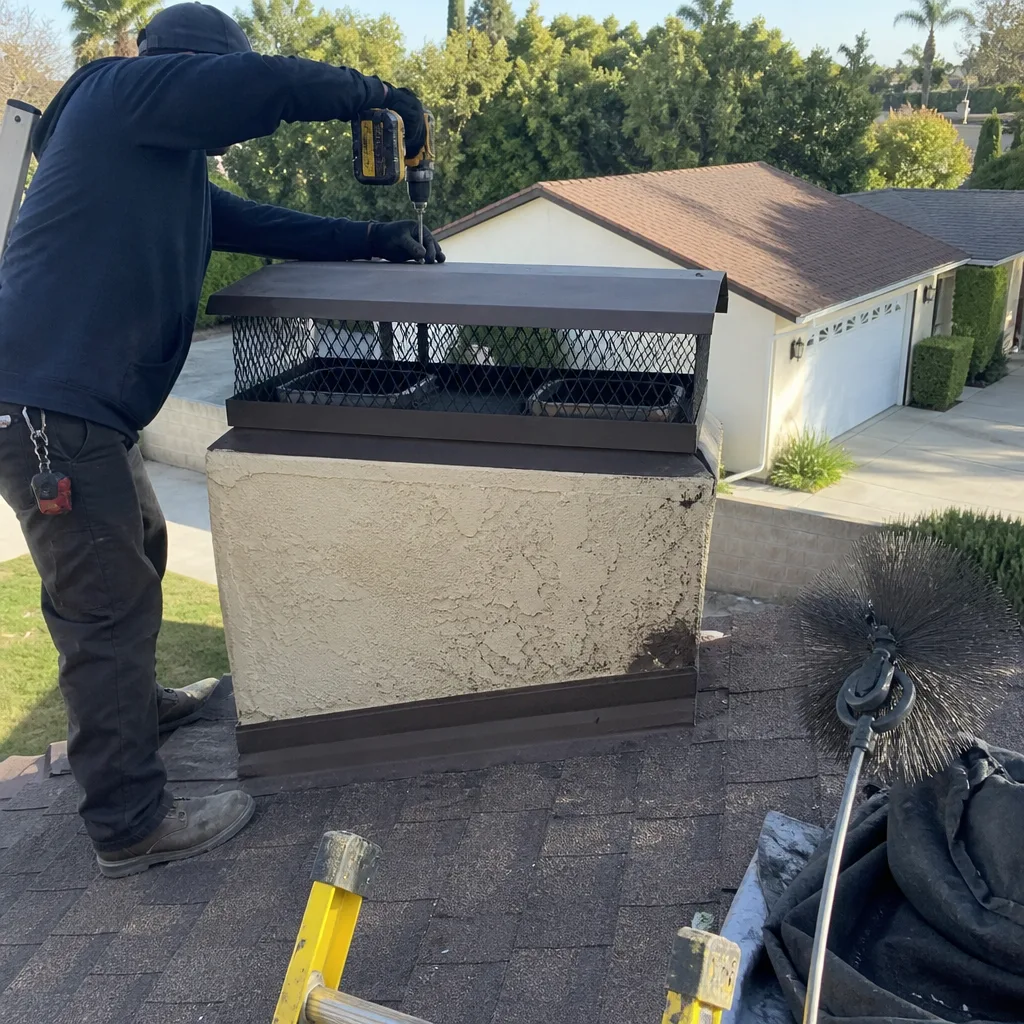
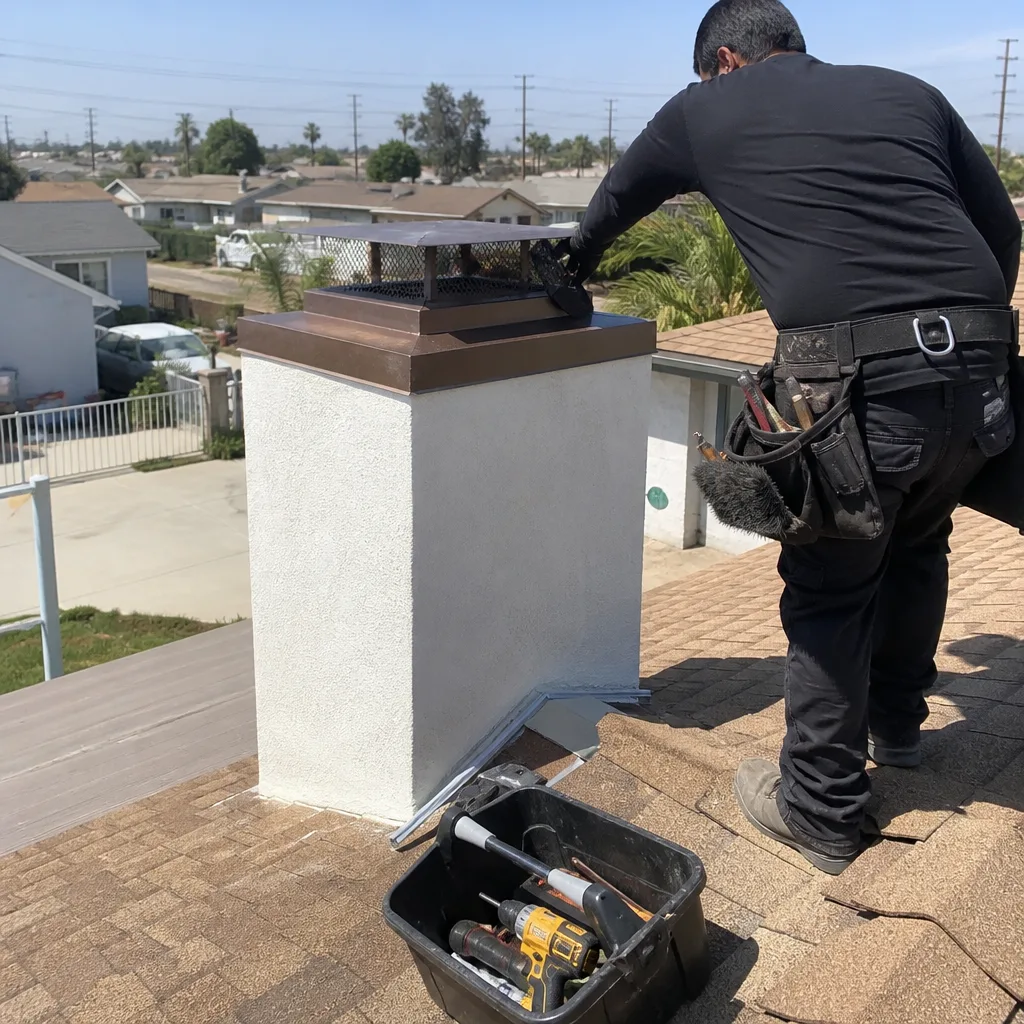
The chimney cap is the single most important piece of hardware on your chimney during the off-season. A properly fitted cap with intact mesh screening keeps out birds, rats, squirrels, rain, and most debris. A damaged or missing cap invites all of them. Summer is the right time to inspect and replace a cap because the work can happen at leisure, with no pressure to have the fireplace ready for use. We stock Famco caps, which hold up to heat, moisture, and the occasional determined raccoon better than the thin hardware-store versions that rust through in two years. A cap inspection is a five-minute visual check from the ground or rooftop, and it’s the difference between a quiet off-season and a September surprise.
Draft Check
A chimney that doesn’t draft properly in August won’t magically improve by November. Warm weather does make draft testing less predictive, but a complete absence of draft in summer tells you something structural is wrong – a blocked flue, a badly designed termination, or negative air pressure in the house that will persist regardless of season. If you notice smoke smell in the house during hot weather, that’s a draft failure in reverse: warm outdoor air sinking down the chimney. It’s worth flagging before burning season starts.
Damper Seal
Open the damper in July and you’ll feel the conditioned air from your house escaping straight up the flue. A damper that doesn’t seal properly costs you money in cooling costs all summer and in heating costs all winter, and it’s one of the simplest repairs on the chimney. A new damper or damper seal installed in August means the house holds its temperature better in September, and the fireplace is ready to go when the weather turns. This is also the time to check for rust on the damper mechanism, which indicates water intrusion somewhere above it.
Gas Fireplaces in Downey: Low-Maintenance Is Not No-Maintenance
A significant share of Downey homes use gas fireplaces, gas logs, or gas inserts instead of wood-burning hearths. The common assumption is that gas means no cleaning, ever. That assumption is wrong in ways that matter.
Gas fireplaces don’t produce creosote, which is true and worth saying plainly. But they do produce a fine, white, acidic residue that coats the flue walls and the glass, and they still vent exhaust gases through a flue that can develop blockages. A gas flue with a bird nesting in it is just as dangerous as a wood flue with a bird nesting in it. The difference is that the gas appliance may not give you the visible smoke signal that something’s wrong. Carbon monoxide is odorless, and a blocked gas flue sends it back into the house without any of the sensory warnings that accompany a smoky wood fire.
Here’s what seasonal gas fireplace care looks like:
- Annual inspection before seasonal use. We check the flue for blockages, inspect the termination cap, verify the damper is properly set if applicable, and check the burner and pilot assembly for debris or corrosion.
- Venting system check. Gas logs and inserts vent through flues, and those flues still need to be clear of debris and nesting material. A camera inspection confirms the vent path is open and the liner, if present, is intact.
- Burner and glass care. The white residue on glass and burners is cosmetic until it isn’t. Heavy buildup affects flame pattern and heat output, and it can indicate improper combustion, which is a safety issue, not just an aesthetic one.
- Carbon monoxide awareness. Every gas fireplace home should have working CO detectors, and the annual chimney check should include confirmation that the detector is present and reasonably placed. This is routine, not alarmist.
The bottom line for Downey gas fireplace owners: schedule a basic inspection and service before the first seasonal use, and treat it as seriously as you would a wood-burning sweep. The risk profile is different, but it’s not lower.
The 12-Month Downey Chimney Care Calendar
Here’s what a sensible year looks like for a Downey home that uses the fireplace five to fifteen times annually. This assumes one primary sweep per year, scheduled in the pre-burn window, with light off-season attention.
- January – February: Normal burning season. Use the fireplace as you like. After each fire, leave the damper open until the embers are fully cold, then close it. Watch for smoke backing up, odd smells, or soot falling into the firebox, any of which justifies an earlier service call.
- March – April: Final fires of the season. We call these shoulder-season burns, and they’re often the smoldering, low-temperature fires that create the most creosote. After the last burn, close the damper and remind yourself to schedule the fall sweep before October.
- May – June: If you hear birds, scratching, or any animal activity in the chimney, this is when you’ll notice it. Schedule a cap inspection and animal exclusion rather than waiting until fall. The animal itself will leave or be removed, and the nest gets cleared before it becomes a fire hazard.
- July – August: The off-season maintenance window. Cap inspection, damper seal check, draft check. If your chimney needs repair work – a new cap, a crown resurfacing, a damper replacement – summer is the easiest time to schedule it. No urgency, comfortable working conditions for the technician, and the chimney is ready by fall.
- September: Booking alert. The weeks between Labor Day and Halloween are the busiest of the year for chimney sweeps across Southern California. Schedule your pre-burn sweep now for late September or October, before the first cold snap triggers a booking rush.
- October – November: Pre-burn sweep and inspection. The most important service of the year happens now. Sweep the flue to remove everything that accumulated during the off-season, run a camera inspection, and address any repairs. First fire of the season burns through a clean, verified chimney.
- December: Burn as you like. Know that if something goes wrong – a sudden smoke backup, an animal that found its way back in – you’re mid-season and service calls get booked fast. This is the argument for having done the work in October.
Why Creosote Behaves Differently in a Mild Climate
Creosote is the black, tarry residue that condenses on flue walls when wood smoke cools before it exits the chimney. It’s the primary fuel for chimney fires, and most chimney fire warnings are written for cold climates where creosote builds up fast and thick. A Downey homeowner reading those warnings might reasonably conclude that their light, seasonal use doesn’t produce enough creosote to worry about. That conclusion is half right.
The total volume of creosote in a Downey chimney after a season of light use is almost certainly lower than what you’d find in a Vermont chimney after a season of daily burning. But volume isn’t the only variable. Creosote goes through stages, from flaky soot to sticky tar to hard, glazed deposits that bond to the flue wall. In a chimney that only sees occasional fires, the building stays mostly cool, and the smoke inside the flue cools quickly. That rapid cooling creates the sticky, tar-like stage-two creosote, which is more flammable per ounce than the flaky stage-one version. A little bit of the wrong kind of creosote is more dangerous than a lot of the right kind.
The other factor is what burns in a mild-climate fireplace. Downey homeowners often burn softer woods – eucalyptus, pine, and fruit woods from neighborhood trees – because that’s what’s available. These woods smoke more and burn at lower temperatures than the dense hardwoods that cold-climate homes burn by necessity. More smoke plus lower heat equals more creosote per fire, even if the total number of fires is small. We don’t say this to alarm anyone, and we don’t tell people to stop using their fireplaces. We say it because the math of chimney safety in Downey isn’t the same as the math in colder places, and the advice has to match.
Common Mistakes to Avoid
- Assuming light use means no use. We hear “we barely use the fireplace” all the time, and then the camera shows a flue full of debris that accumulated while nobody was using it. The chimney doesn’t care how often you burn. It cares what’s in it when you finally do.
- Sweeping only in spring. A spring sweep is fine, but if it’s your only service of the year, the entire off-season happens after the sweep, not before it. That’s the window where nesting and debris accumulation occur in Downey.
- Skipping the cap inspection. Most chimney problems in Downey start at the top. A damaged or missing cap is the entry point for birds, rats, raccoons, rain, and debris. Check it every year, preferably in summer.
- Burning unseasoned wood. Wood that hasn’t dried properly produces more smoke and lower temperatures, which translates to faster creosote buildup. In a mild climate where fires are already low-temperature, wet wood makes the problem significantly worse.
- Ignoring the damper. A damaged or poorly sealing damper costs money all year long, letting conditioned air escape in summer and heated air escape in winter. It also invites downdrafts and smoke backup. Small fix, year-round impact.
- Assuming gas fireplaces need nothing. They need less, not nothing. A blocked gas flue is a carbon monoxide event waiting to happen, and gas appliances don’t give you the smoke signal that something’s wrong.
- Treating the chimney as a standalone system. The same fire-safety logic that applies to your chimney applies to your dryer vent. A lint-clogged dryer vent is one of the most common causes of house fires in the United States, and most chimney-only companies never look at it. Dryer Vent Cleaning in Downey from Brownstone Chimney Sweep means the same technician who sweeps your flue can clean your dryer vent on the same visit.
When to Call a Professional
There are clear triggers that justify a professional call beyond your routine annual sweep. If you smell smoke in the house when the fireplace isn’t in use, that’s a draft problem that needs a camera inspection to diagnose. If you hear animals or see nesting material falling into the firebox, don’t wait – an active nest inside a flue is a combustion hazard and a health hazard, and removal requires proper equipment. If your chimney has visible cracks, spalling bricks, or a rusted cap, those are failing-system signals that need professional assessment before the next burn. If you haven’t had the chimney swept in two or more years, or if you’ve lost track of when it was last done, schedule a sweep and inspection now. Brownstone Chimney Sweep offers free estimates in Downey – call (866) 253-8489 to book a sweep, inspection, or repair evaluation. We sweep it, we inspect it, we repair it.
Frequently Asked Questions
Once a year, scheduled in the October – November window before the first fire of the season. That timing removes off-season debris and verifies the flue is safe when it matters most. Homes that burn more than fifteen times per season or burn soft woods like eucalyptus may need a second sweep mid-season. Call (866) 253-8489 for an exact quote – estimates are free.
Chimney sweep pricing in Downey typically runs $199 to $349 for a standard flue cleaning, depending on flue size, level of creosote buildup, and whether the chimney has been recently maintained. Brownstone Chimney Sweep quotes a flat price before we arrive, so there are no surprises after the fact. Camera inspection and a photo report are included, so you’re not taking our word for anything you can’t see yourself. Call (866) 253-8489 for an exact quote.
Yes, gas fireplace chimneys need an annual inspection and cleaning before seasonal use, even though they don’t produce creosote. Blockages in the vent path, debris in the flue, and corrosion on the burner or damper are all issues we find in Downey gas systems that haven’t been serviced in years. The danger signal with gas is often carbon monoxide, not smoke, which is why routine professional inspection matters. Call (866) 253-8489 to schedule a gas fireplace check.
If debris, nesting material, or creosote has accumulated in the flue during the off-season, the first fire can ignite it. That’s a chimney fire, and it can crack flue tiles, damage the chimney structure, and spread heat to combustible parts of the house. It can also simply produce a lot of smoke and a bad smell, which is the milder version of the same problem. The cost of not knowing what’s in your flue is higher than the cost of a sweep. Call (866) 253-8489 to book a pre-burn sweep.
We’ll tell you plainly which one is true, and we’ll show you the camera proof to back it up. Some caps can be resealed and re-meshed. Others are rusted beyond useful life and need replacement. In Downey, where off-season nesting and debris accumulation are the primary risks, a properly fitted cap with intact mesh is worth its weight in pre-burn headaches avoided. Famco caps are our standard because they hold up to the climate and the wildlife. Call (866) 253-8489 for a cap inspection – estimates are free.
Yes, Brownstone Chimney Sweep Brownstone Chimney Sweep home handles chimney sweeping, chimney repair, and dryer vent cleaning under one roof. If you’re due for a chimney sweep and your dryer vent hasn’t been cleaned in a year or two, we can handle both on the same visit. Fire safety starts at the flue – and ends at the dryer vent. Call (866) 253-8489 to book both services at once.
The Bottom Line
Downey’s mild climate makes it easy to forget that a chimney is a working system, not a static feature of the house. The seasonal care that matters here isn’t about temperature swings. It’s about the long, quiet months when the flue sits empty and open, collecting whatever passes by. The most valuable action you can take is simple: schedule a professional sweep and inspection every year in October or November, before the first fire. That single appointment removes the off-season accumulation, verifies the system is intact, and sets up a safe burning season. Everything else – the summer cap check, the damper seal, the gas fireplace inspection – supports that core rhythm. Browse our more guides & resources for year-round chimney care advice. Built to code and built to last means maintained before it fails, not after.
Written by the team at Brownstone Chimney Sweep, serving Downey since 2012.
See the difference
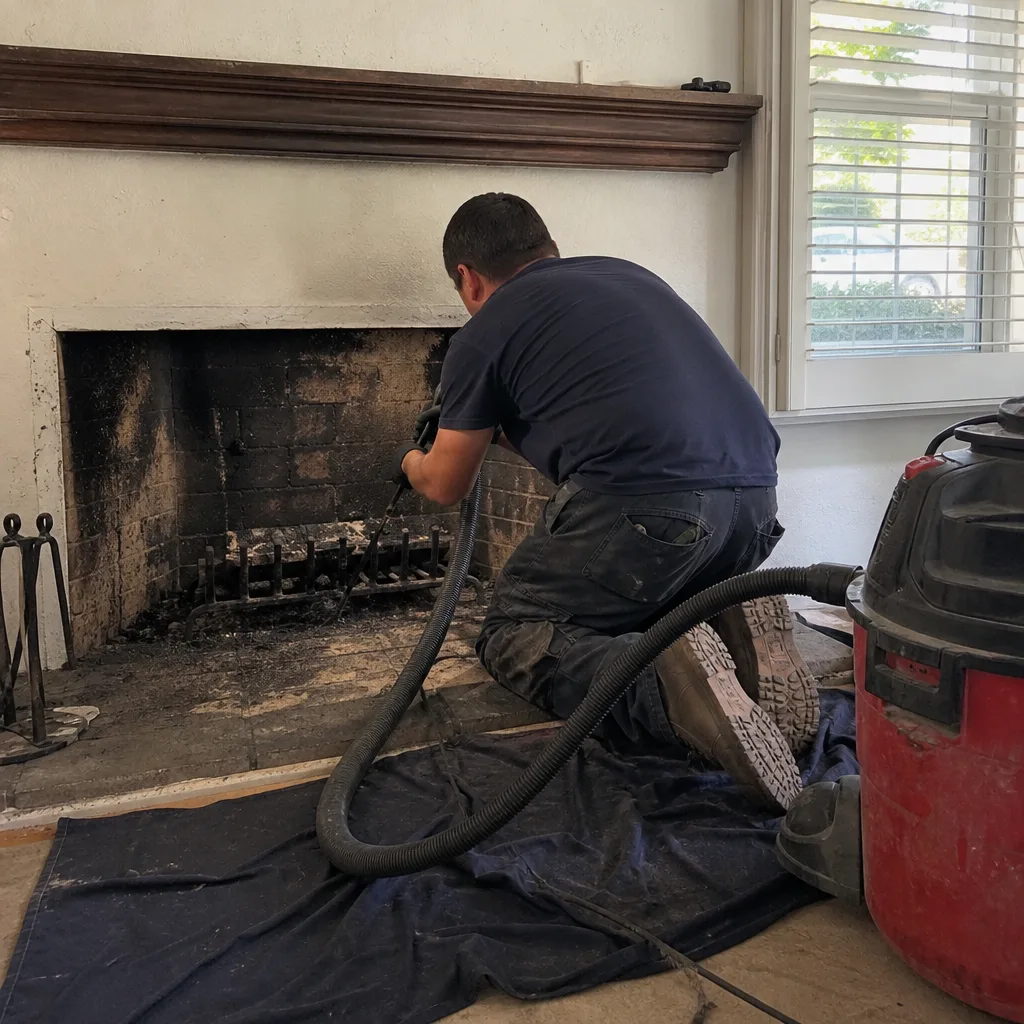 Before
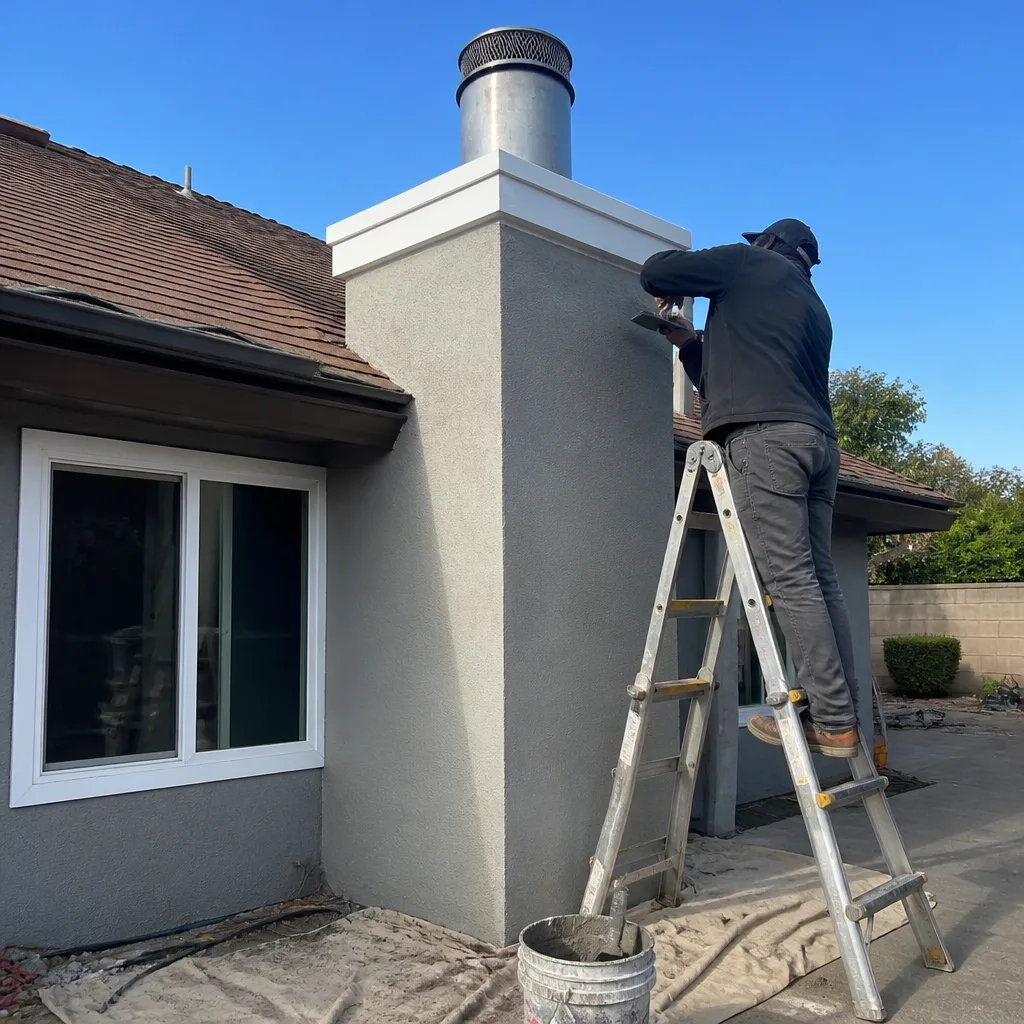 After
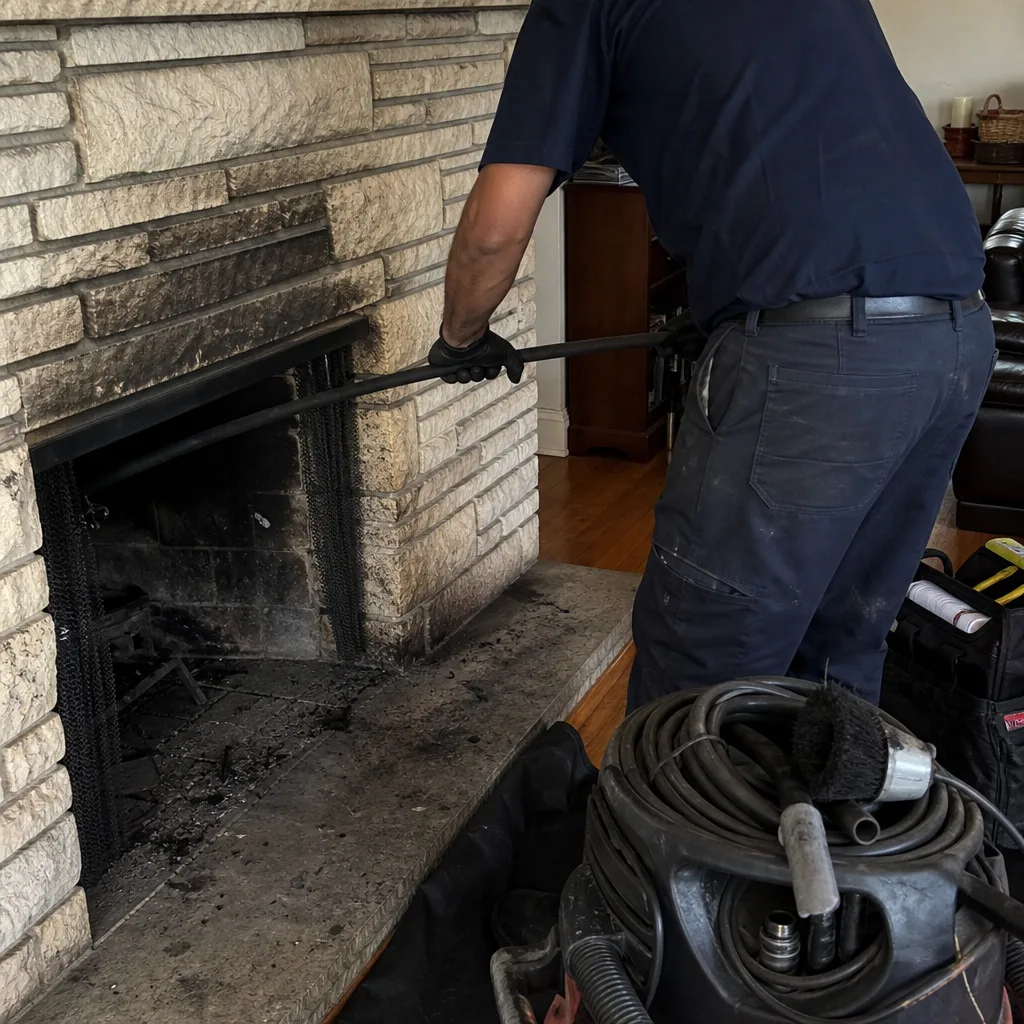 Before
 After
 Before
 After