
Last updated October 30, 2026
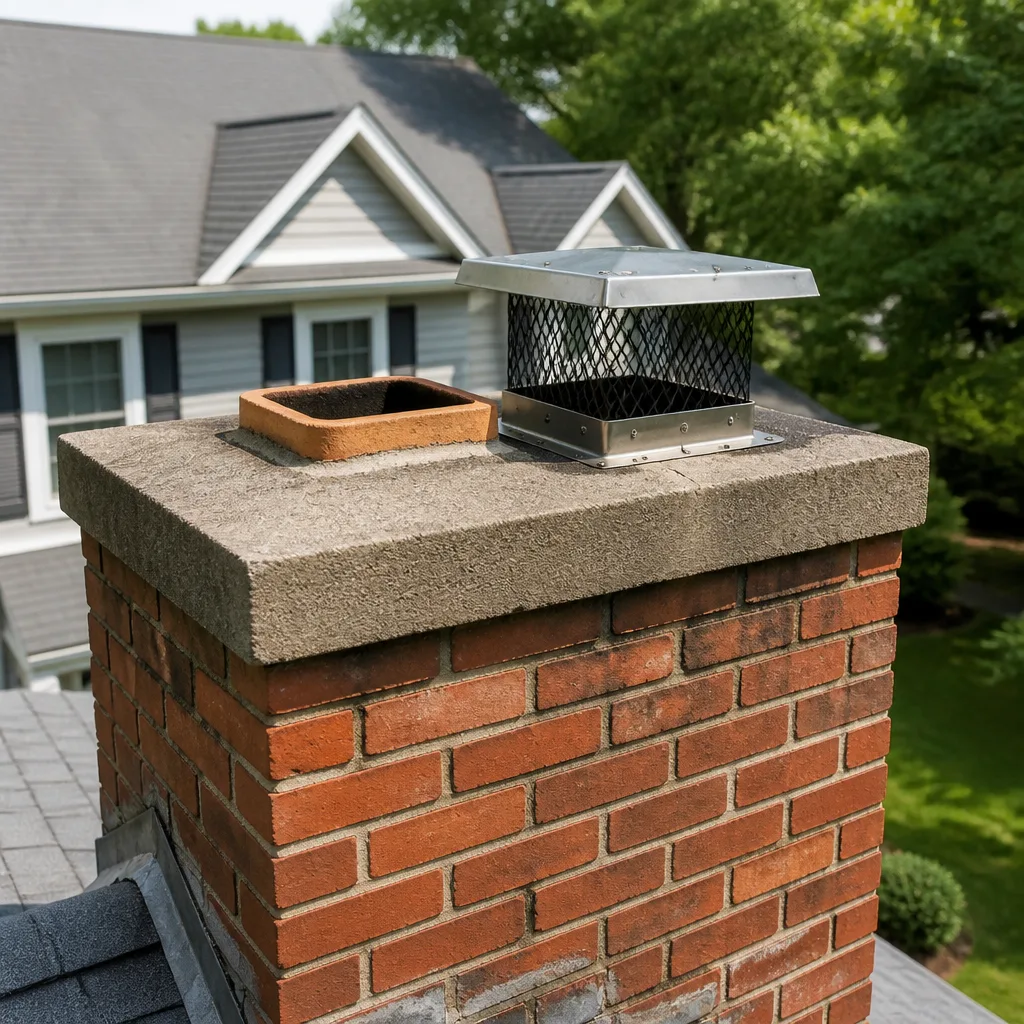 Sweep & inspection
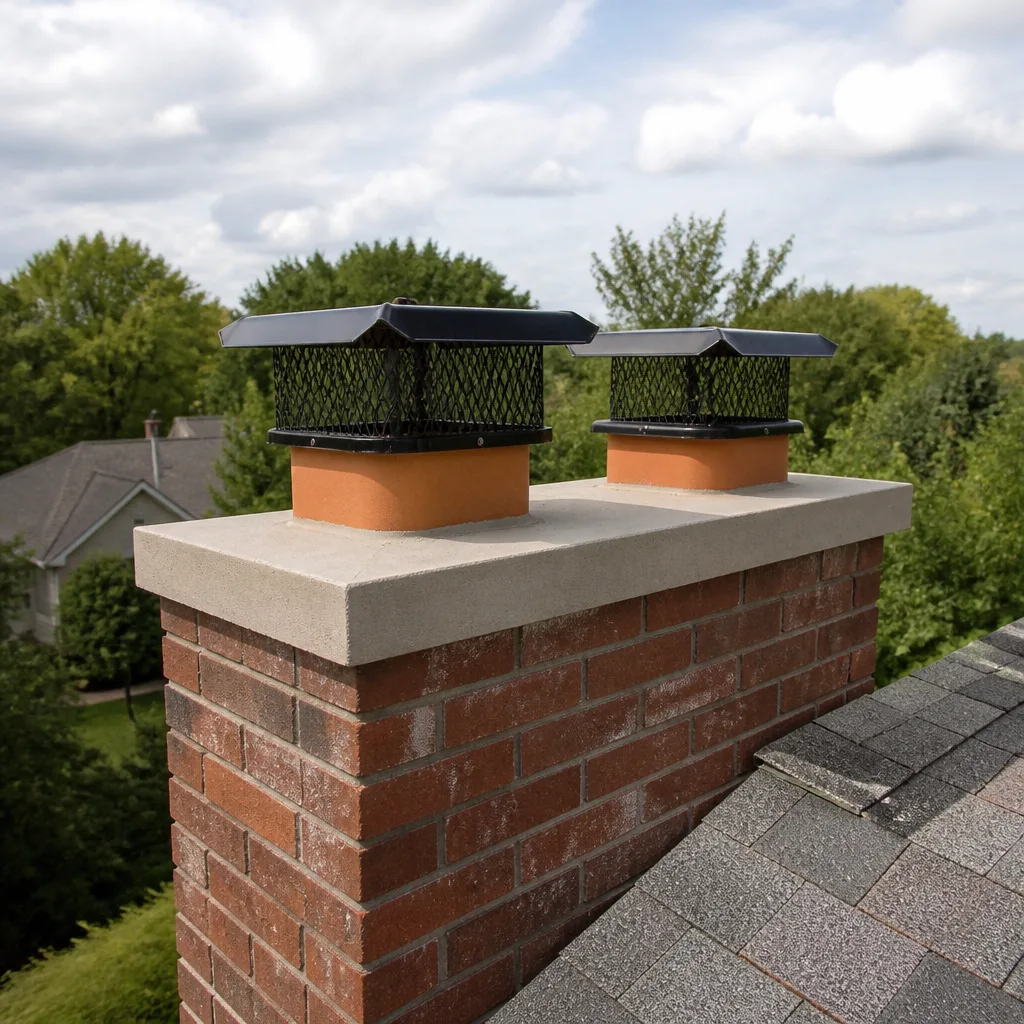 Caps & crowns
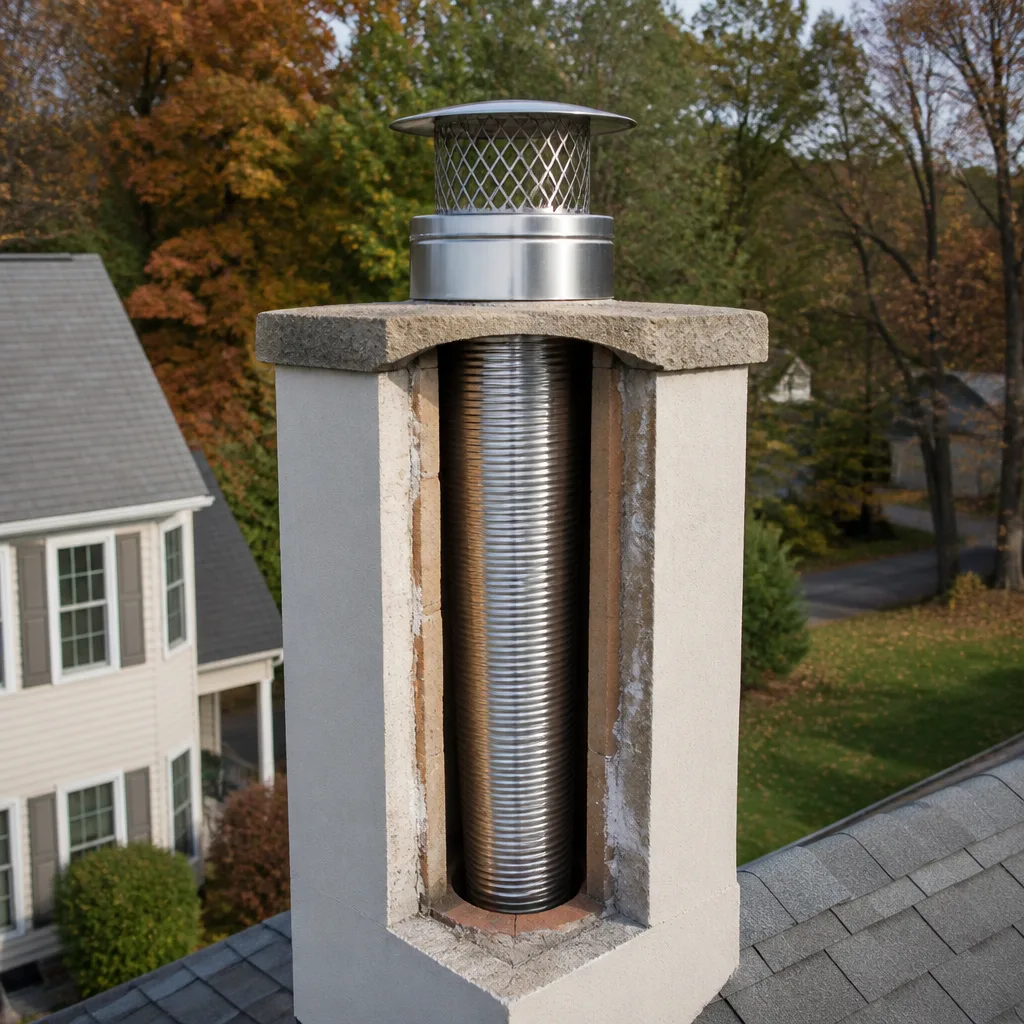 Flue relining
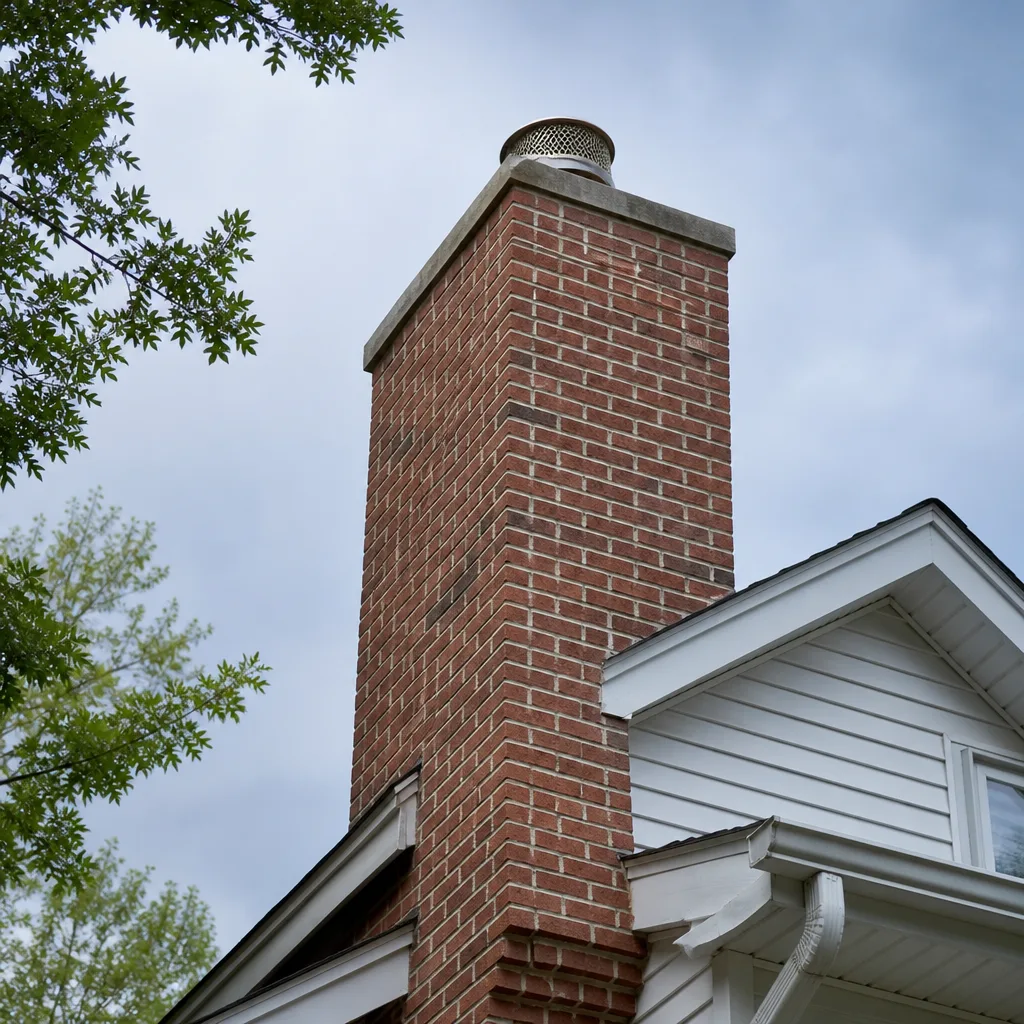 Masonry repair
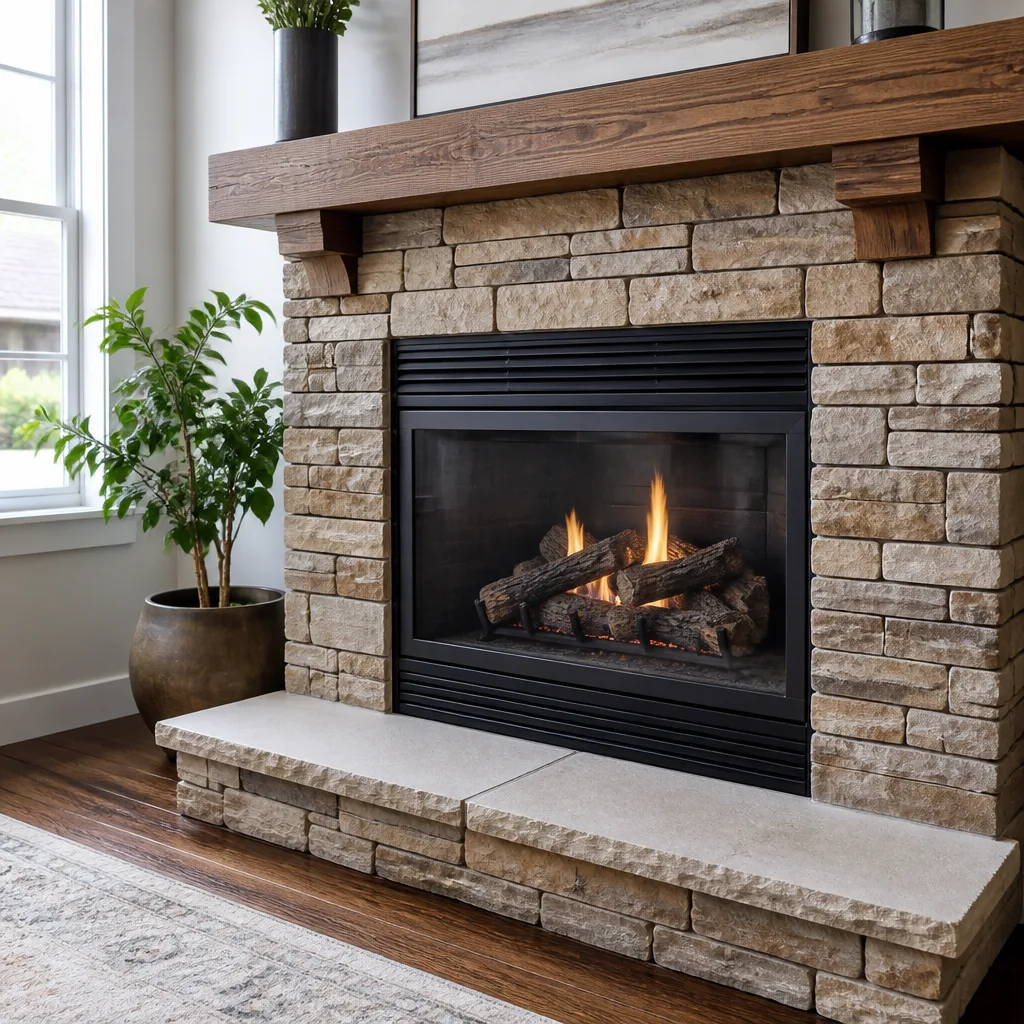 Gas fireplace service
Level 1 sweep and inspection to the NFPA 211 annual standard - flue, crown, cap, and flashing checked and photographed
Chimney sweep logs do not sweep chimneys. They loosen some creosote - which then falls where a brush and vacuum still have to collect it.
Chimney Cleaning Permits, Codes & Inspections in CA: What You Need to Know
Here’s the counterintuitive reality most Downey homeowners learn too late: a routine chimney sweeping never requires a permit in California, but the moment a sweep uncovers damage that needs repair, you may have just crossed into permit territory without realizing it. What starts as a $200 cleaning can become a $4,000 repair with code obligations attached, and the difference between those two worlds isn’t always obvious. This guide—along with our Chimney Sweep Troubleshooting: Common Problems and How to Fix Them—explains exactly where that line sits under California Building Code, how LA County and Downey jurisdiction actually works, and what unpermitted chimney work can mean for your home’s resale value. You’ll learn what to ask your contractor, what inspectors look for, and how to protect yourself before spending a dollar.
Styles & brands we work with
Quick Answer
Chimney cleaning and visual inspections do not require a permit anywhere in California, including Downey. However, structural repairs, liner replacement, and most masonry work on a chimney system fall under the California Building Code and typically require a permit through the City of Downey Building Division. When in doubt, consult our Chimney Sweep Maintenance Checklist for Downey Homeowners and call the Building Division directly before authorizing any repair that goes beyond a sweep or minor maintenance.
Table of Contents
- The Permit Line: Cleaning vs. Repair Under California Code
- How Downey and LA County Jurisdiction Intersects on Chimney Work
- What NFPA 211 Is and Why California Inspectors Reference It
- What Unpermitted Chimney Repairs Mean for a Home Sale in California
- How to Ask Your Contractor About Permits and Get an Honest Answer
- What a Code-Compliant Chimney Inspection Actually Covers
- Common Mistakes to Avoid
- When to Call a Professional
- Frequently Asked Questions
- The Bottom Line
The Permit Line: Cleaning vs. Repair Under California Code
Let’s start with the distinction that matters most. Under the California Building Code (CBC), which adopts and amends the International Building Code, a chimney sweep or visual inspection is classified as routine maintenance. No permit, no plan check, no inspection required. You can have your chimney swept twice a year, every year, and the City of Downey has no interest in knowing about it.
But here’s where it shifts. The CBC treats structural repairs, flue relining, firebox reconstruction, and chimney rebuilds as alterations to a building system. Those require a permit. Specifically, Section 105 of the CBC requires a permit for any work that involves the “repair or replacement of any structural component” of a chimney. A cracked flue tile that gets repaired with a resurfacing system like HeatShield, for example, sits in a gray zone, while a full liner replacement with a DuraFlex system is generally treated as a structural alteration that triggers permit requirements.
What stays on the cleaning side of the line:
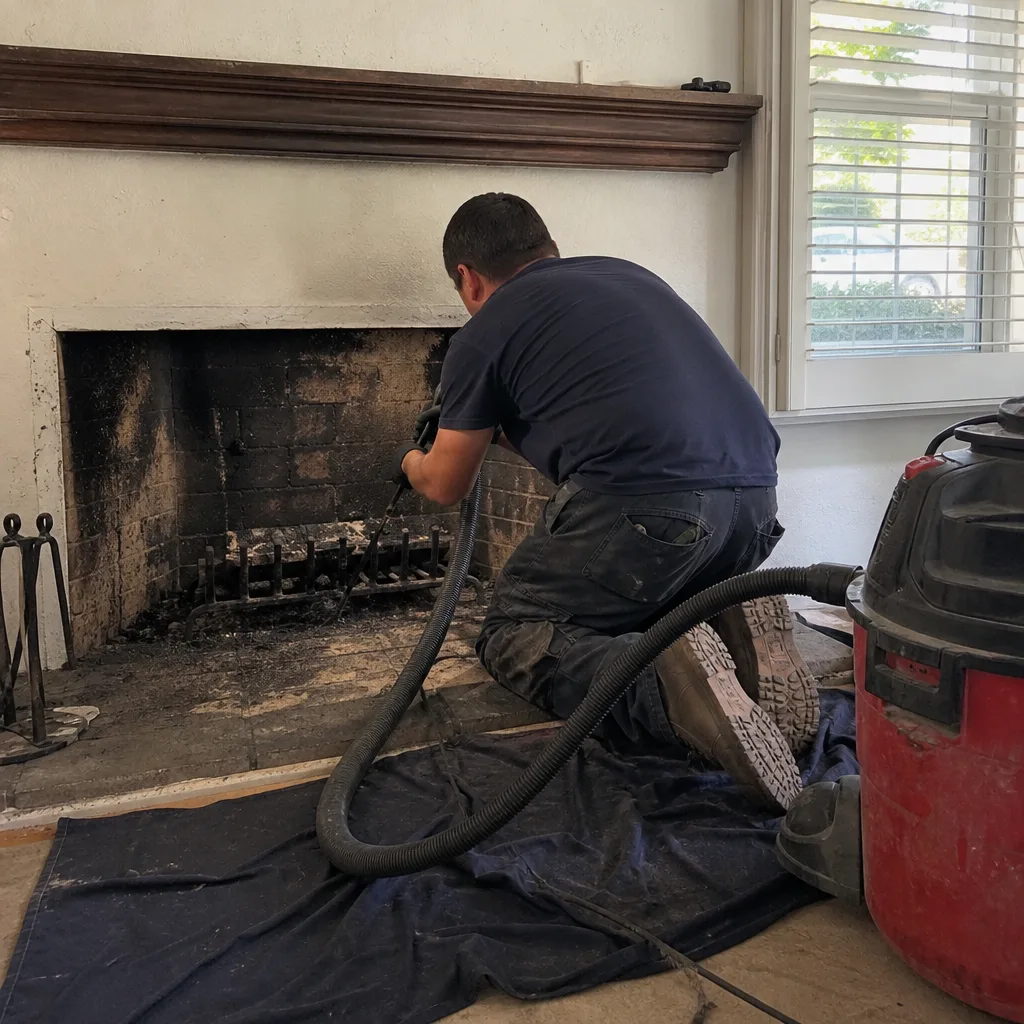
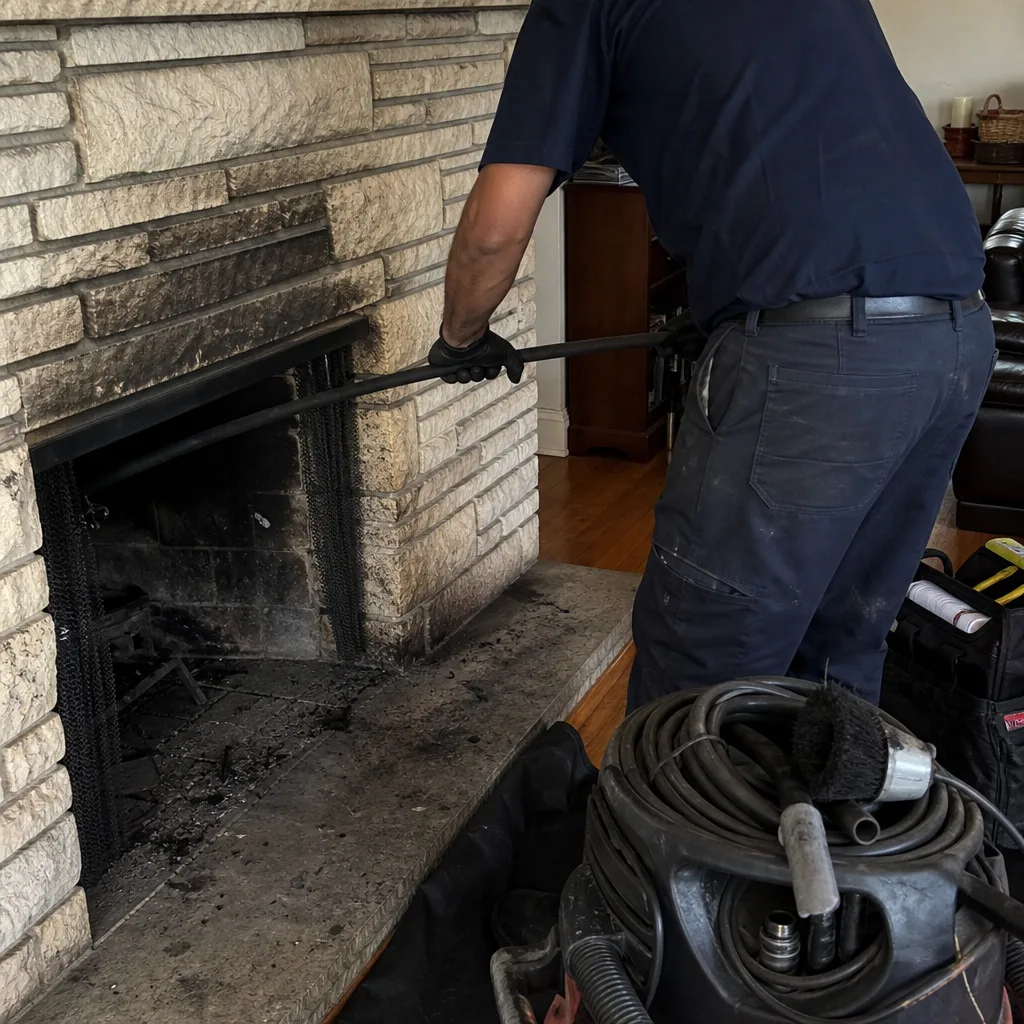
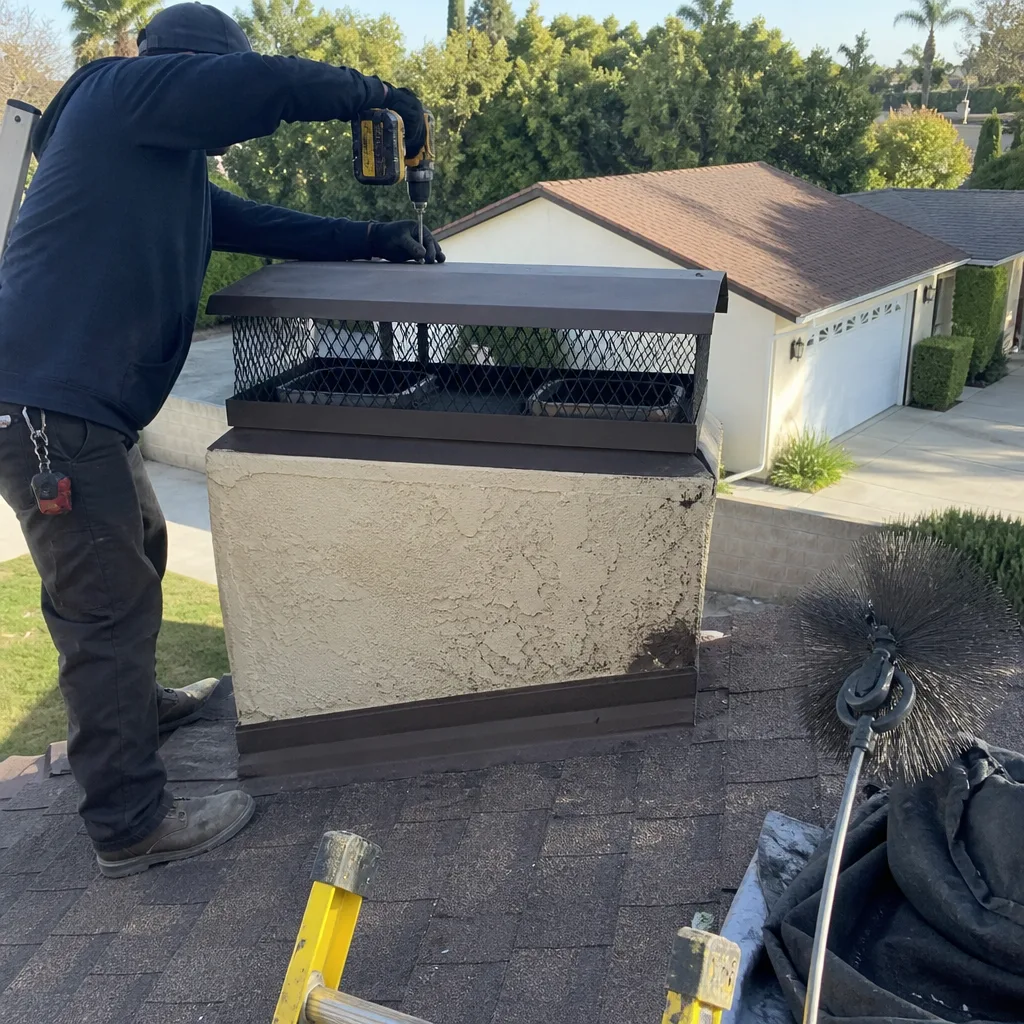
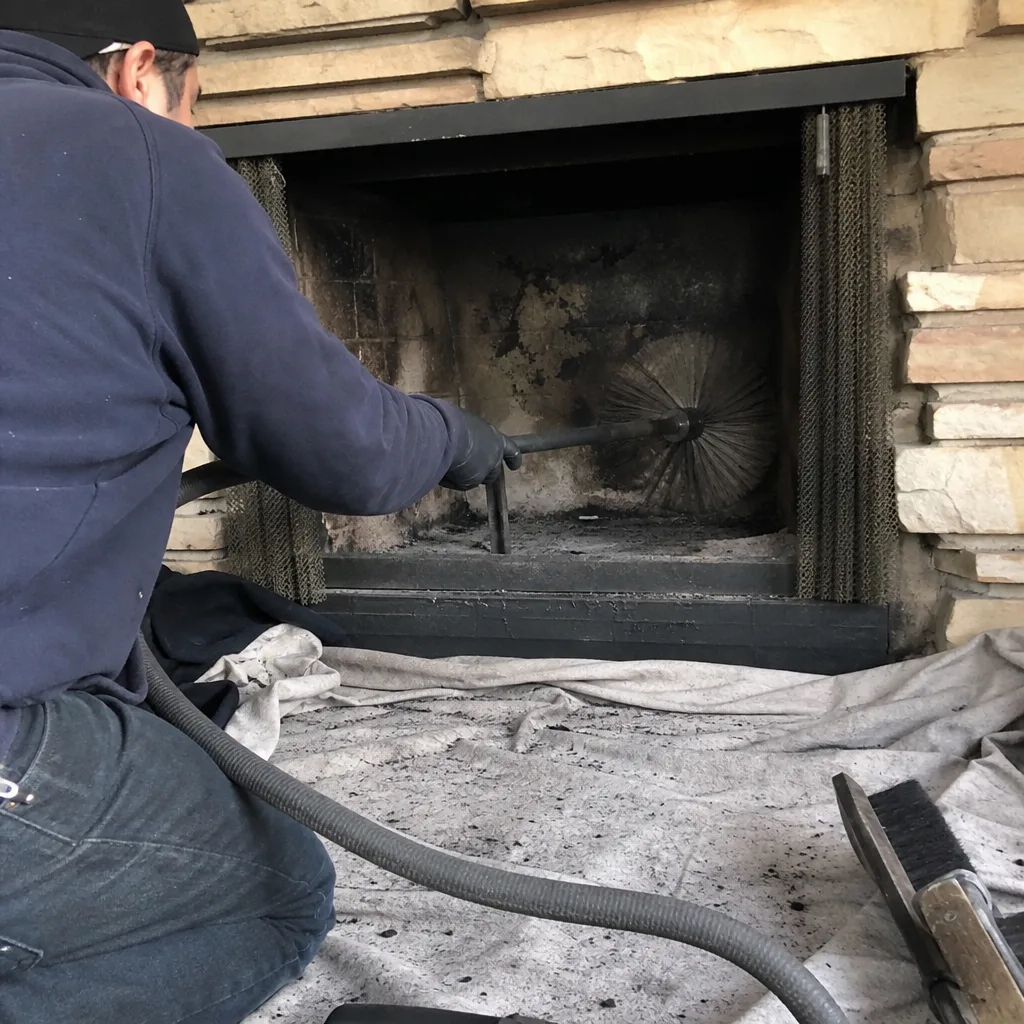
- Chimney sweeping – removing creosote and soot buildup with brushes, rods, and vacuums
- Level 1 visual inspections – what a certified sweep does during every standard cleaning visit
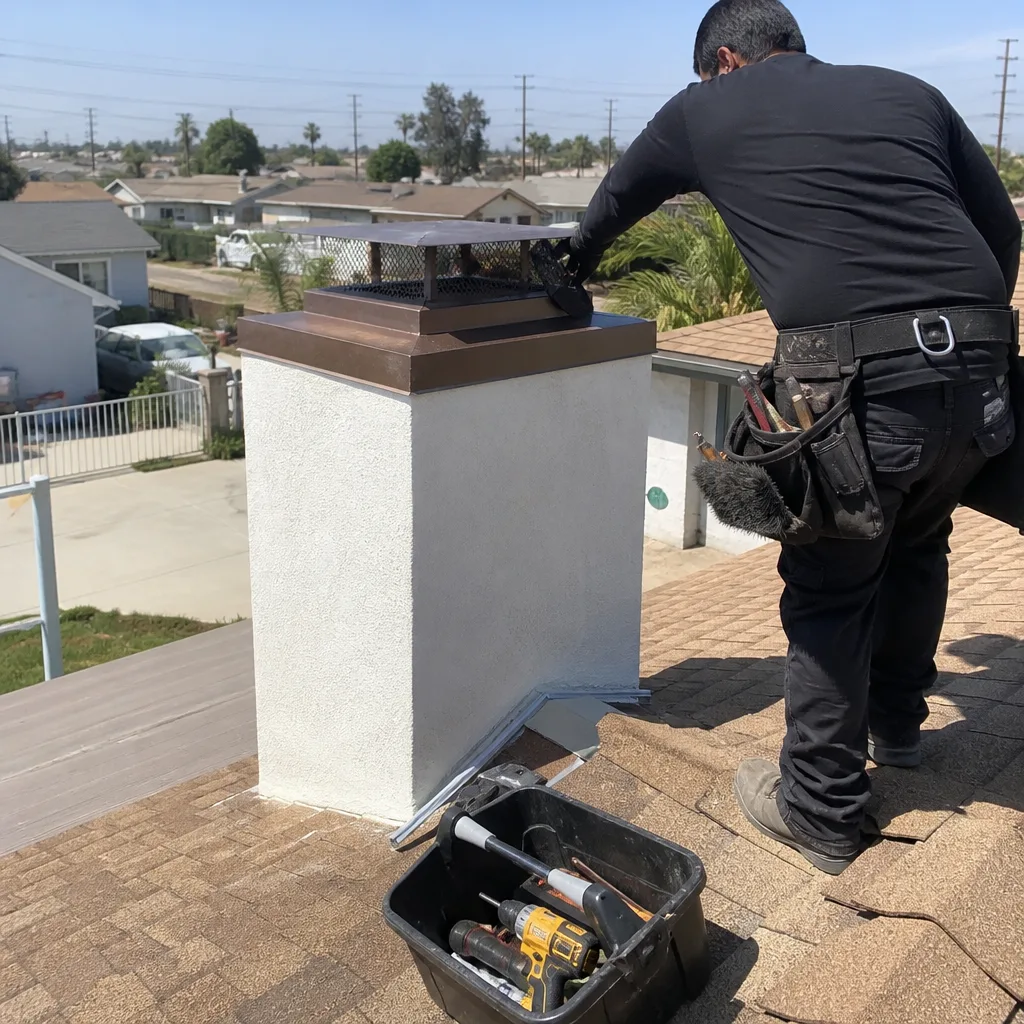
- Minor maintenance – tightening a loose damper plate, replacing a worn chimney cap with an equivalent unit from a brand like Olympia Chimney or Famco
- Dryer vent cleaning – no permit needed, but it’s a fire-safety task most homeowners overlook entirely
What crosses into permit territory:
- Flue relining – installing a new stainless liner system or resurfacing deteriorated tiles
- Firebox repair – rebuilding cracked or crumbling firebrick in the combustion chamber
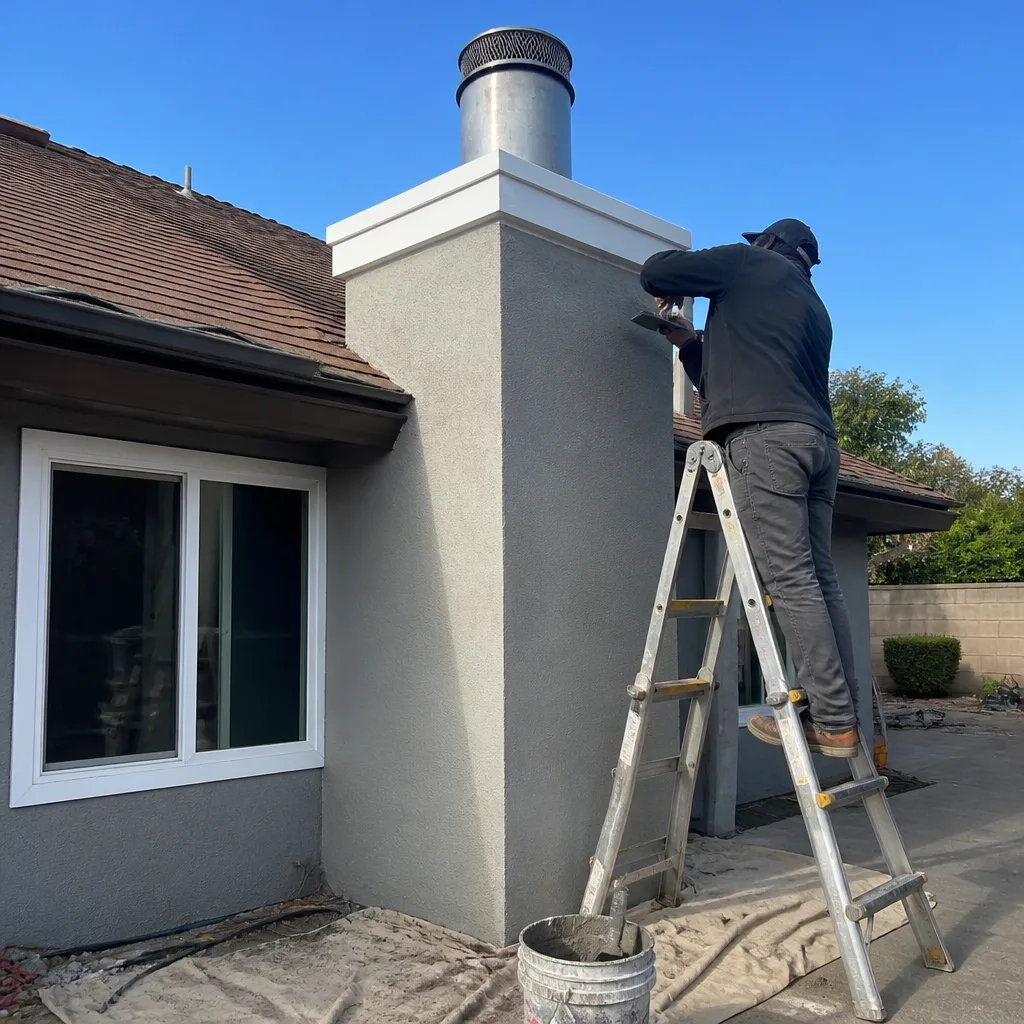
- Chimney crown replacement – re-pouring or rebuilding the concrete crown at the top of the structure
- Structural masonry work – repointing that goes beyond cosmetic tuckpointing into structural stabilization
- Smoke chamber parging – rebuilding the transition area between firebox and flue
In our experience, maybe one homeowner in five who calls us for a repair has any idea that a permit might be involved. Most assume permits are only for major remodels or additions. That assumption costs people money, time, and sometimes a sale.
How Downey and LA County Jurisdiction Intersects on Chimney Work
Downey operates its own Building Division under the city’s Community Development Department. That means chimney permits are issued by the City of Downey, not by LA County. This matters because the County has its own building code amendments, and what flies in unincorporated LA County areas doesn’t always line up with what Downey requires. If you live inside Downey city limits, the city is your authority having jurisdiction, and their word is final.
The practical steps for a Downey homeowner considering chimney repair:
- Call the Downey Building Division first. Describe the scope of work in plain English – “repairing a cracked flue liner” or “rebuilding the firebox” – and ask point-blank if a permit is required. You don’t need to provide your address to get an answer about general policy.
- Ask your contractor to confirm the same thing in writing. A contractor who tells you “we don’t pull permits for this” should be able to explain, specifically, why the scope doesn’t trigger one. Vague answers are a red flag.
- If a permit is required, ask who pulls it. Some contractors handle it for you. Others expect the homeowner to do it. Don’t assume either way.
- Budget for plan review time. Downey’s plan check for minor chimney repairs is usually quick compared to major remodels, but it’s still not same-day. A week or two of processing time is realistic.
One thing worth knowing: gas appliance vents, including dryer vents, are also regulated by code, but under different sections than fireplace chimneys. Dryer vent cleaning is maintenance, but if a dryer vent needs to be rerouted or reconfigured to meet termination distance requirements, that work can also trigger permit review. Fire safety starts at the flue and ends at the dryer vent, and the code treats both ends of that equation seriously.
What NFPA 211 Is and Why California Inspectors Reference It
NFPA 211 is the National Fire Protection Association’s Standard for Chimneys, Fireplaces, Vents, and Solid Fuel-Burning Appliances. It’s not a law in itself, but the California Building Code explicitly references NFPA 211 as the practical installation and maintenance standard for residential chimney systems. When a Downey building inspector evaluates your chimney work, they’re comparing it against CBC requirements, which incorporate much of what NFPA 211 spells out.
The part of NFPA 211 that matters most for homeowners is its inspection classification system:
- Level 1 inspection: Visual examination of readily accessible portions of the chimney, performed during routine chimney sweeping. No specialized tools. This is what you’re getting during a standard cleaning visit.
- Level 2 inspection: Required when the system is changed, such as a new appliance being connected, when a property is being sold or transferred, or after an event like an earthquake or chimney fire. This typically involves camera scanning of the flue interior.
- Level 3 inspection: Required when a Level 1 or Level 2 inspection reveals suspected hidden damage. This can involve removing portions of the chimney or masonry to access concealed areas.
Here’s the Downey-specific relevance: Southern California’s seismic activity puts stress on masonry chimneys. Hairline cracks that form in flue tiles after a moderate shaker are exactly the kind of thing a Level 1 inspection misses but a camera-assisted Level 2 inspection catches. If you haven’t had your chimney inspected since the last significant earthquake, you don’t actually know the condition of your flue. We’ve swept chimneys in Downey homes that looked perfectly fine from the firebox and were holding significant cracks midway up the flue.
NFPA 211 also sets the creosote threshold that triggers mandatory cleaning: any time creosote accumulation exceeds 1/8 inch, the chimney should be cleaned before further use. That’s the standard, not a suggestion. Creosote at that thickness is fuel, not just buildup.
For a deeper look at what a proper sweep covers in this area, our Chimney Sweep in Downey guide explains the full service and what you should expect from a qualified technician.
What Unpermitted Chimney Repairs Mean for a Home Sale in California
California’s real estate disclosure requirements force a conversation about unpermitted work whether the seller wants to have it or not. The standard California Seller Property Questionnaire asks directly about improvements or repairs made without permits, and the Transfer Disclosure Statement requires sellers to disclose any known material facts about the property. An unpermitted chimney liner replacement is a material fact under that standard.
What happens in practice, especially in Downey’s competitive real estate market:
- Buyers’ inspectors flag it. A competent home inspector will note a newer stainless liner or repaired firebox surface and check it against city records. No permit on file means a report item.
- Lenders hesitate. Some mortgage underwriters require permit resolution before funding, especially for FHA and VA loans, which have stricter property condition standards.
- Sellers eat the cost. The most common outcome is that the seller pays to either bring the work into compliance retroactively or escrow funds for the buyer to do it after closing. Both options cost more than the original permit would have.
- Insurance questions. A chimney fire tied to an unpermitted repair can become grounds for a denied claim. Insurance companies scrutinize the installation history after a fire loss.
The lesson is simple: a $400 permit fee and a week of processing time is a lot cheaper than the $5,000 concession you’ll make at the closing table. If you’re doing chimney repairs today and considering selling your Downey home in the next decade, assume the work will be discovered. Permitted work is a selling point. Unpermitted work is a liability.
If you’re already preparing to sell and the inspection turned up chimney damage, our Chimney Repair in Downey page outlines what repairs look like and how to sequence them before listing.
How to Ask Your Contractor About Permits and Get an Honest Answer
Most homeowners avoid the permit conversation because they’re afraid the answer will be “yes, and it’ll add $1,500 and three weeks.” Sometimes that’s true. More often, the permit question is actually a filter for whether you’re working with the right contractor.
Here’s a numbered approach that works:
- Ask directly: “Does this scope of work require a permit in Downey?” A contractor who immediately says “no” without explaining why is guessing. A contractor who says “let me confirm with the Building Division” is doing it right.
- Ask: “Who pulls the permit if one is needed?” In California, the ultimate responsibility for permitting falls on the property owner. A good contractor will pull it for you or coach you through the process. A contractor who refuses to have anything to do with permits is telling you something.
- Ask: “What happens if the inspector finds an issue during final inspection?” This is the moment that reveals whether a contractor has actually done permitted work before. If the answer is “that never happens,” walk.
- Get the scope in writing with the permit status noted. A line item that says “permit: not required for this scope” or “permit: included” protects you later.
The right answer isn’t always “no.” A contractor who tells you a permit is required when it actually is, and who handles it properly, is saving you from a much more expensive problem down the road. Straight talk about what your chimney actually needs includes straight talk about the paperwork.
At Brownstone Chimney Sweep, we’ve handled both sides of this conversation many times. Some jobs we do are strictly maintenance and need no city involvement. Others, like a full flue relining with a DuraFlex system, we won’t touch without the proper permit in place because we know what that work looks like when it comes up during a future inspection.
What a Code-Compliant Chimney Inspection Actually Covers
When a chimney inspection is conducted properly, it’s not a quick glance up the flue with a flashlight. Here’s what a thorough inspection under NFPA 211 and CBC standards should include, and what each item is looking for:
- Flue condition: Camera scan or visual examination of the flue interior to check for cracked tiles, gaps in mortar joints, or separated liner sections. This is where the most expensive problems hide.
- Clearances to combustibles: Measurement of the distance between the chimney structure and any framing, insulation, or other combustible material. Inadequate clearance is a leading cause of chimney-related house fires in older Downey homes.
- Creosote measurement: Actual measurement of creosote thickness, not a visual guess. The 1/8-inch threshold from NFPA 211 is the legal line between “safe to use” and “clean before burning.”
- Chimney cap and spark arrestor: Confirmation that the cap is present, secure, and the mesh is intact. A missing cap means rain entry, animal entry, and accelerated deterioration.
- Flashing condition: Examination of the metal flashing where the chimney meets the roof. Failed flashing is the most common source of water staining around chimneys.
- Damper operation: Verification that the damper opens and closes fully and seats properly. A stuck damper is both a heating loss and a safety issue.
- Firebox integrity: Visual check of the firebrick and mortar joints in the combustion chamber. Cracks here are a direct heat transfer path to the framing behind the masonry.
One clarification: this checklist reflects what a certified sweep or inspector evaluates. If the inspection turns up a cracked flue, the next step is a repair conversation, and depending on the fix, a permit enters the picture. Our Brownstone Chimney Sweep home page details the full service relationship between cleaning, inspection, and repair under one roof.
Common Mistakes to Avoid
- Assuming a sweep and an inspection are the same thing. A sweep removes creosote. An inspection evaluates the system’s condition. A reputable Downey sweep does both, but they’re separate functions with separate purposes.
- Skipping the permit conversation entirely. If a repair is needed and you never ask about permits, you own the consequences when the work surfaces during escrow. The question costs nothing to ask.
- Trusting “we do it all the time” as a substitute for code compliance. Lots of unpermitted chimney work gets done in Southern California every year. Frequency is not legality.
- Treating a cracked flue as a cosmetic issue. Heat and carbon monoxide move through cracks in tile liners and into wall cavities. This is a fire-safety and life-safety issue, not a cosmetic one.
- Ignoring the dryer vent as part of the home’s vent system. Dryer vent fires in LA County are more numerous than chimney fires. If you’re making a chimney safe and leaving a packed dryer vent, you’ve solved half the problem. Our Dryer Vent Cleaning in Downey service addresses the laundry side of the equation.
- Choosing the cheapest quote without checking what’s in it. A low bid that excludes the permit, or skips the camera scan, or uses hardware-store components instead of professional-grade materials from brands like Olympia Chimney and Famco, isn’t actually cheaper.
- Waiting until the rainy season. Chimney repairs and relining work is easier and more straightforward in dry weather. Downey’s winter rains reveal leaks and force rush decisions. Scheduling a summer inspection gives you time to plan properly.
When to Call a Professional
Call a qualified chimney professional if you see any of these Chimney Cleaning Warning Signs: A Downey Homeowner’s Reference Guide conditions: visible cracks in the firebox or on the chimney exterior, water staining on the ceiling around the chimney chase, a persistent smoky smell in the house when the fireplace isn’t in use, creosote buildup you can scrape off with a screwdriver, or evidence of animal activity at the chimney top. If you’ve experienced a chimney fire, even a small one, the system needs a Level 2 inspection before the next use. If you’ve never had the dryer vent cleaned and your laundry takes longer than it used to, that’s lint accumulation in the vent. Brownstone Chimney Sweep offers free estimates in Downey, call (866) 253-8489.
Frequently Asked Questions
No permit is required for chimney cleaning or routine maintenance in Downey or anywhere else in California. Sweeping, vacuuming, and visual inspection fall entirely outside the permit system. A permit only becomes relevant if the inspection identifies damage that requires repair work.
A standard chimney sweep in Downey typically runs between $175 and $275, depending on the level of creosote buildup, roof accessibility, and whether the chimney serves a fireplace, insert, or open masonry hearth. Add a camera inspection and the total moves closer to $300 to $375. Call (866) 253-8489 for an exact quote – estimates are free.
Under NFPA 211, any chimney used regularly should be swept when creosote buildup reaches 1/8 inch. For most Downey households that use the fireplace through the winter season, that translates to once per year. Gas fireplaces accumulate less creosote but still need periodic inspection for venting integrity and blockages.
A liner replacement is generally classified as a structural alteration under the California Building Code, which means it typically requires a permit through the City of Downey Building Division. Systems like DuraFlex stainless liners are code-compliant when installed correctly, but the installation itself falls under permit jurisdiction. Confirm with the Building Division before authorizing the work.
Creosote accumulates, and at thicknesses beyond 1/8 inch it becomes a fuel source for chimney fires. Simultaneously, any water entering through a failing crown or cracked flashing degrades the mortar joints and flue tiles over time. The result is a system that fails the moment it’s actually needed. A chimney that goes uninspected for five years is not a low priority, it’s a deferred liability.
California doesn’t mandate a chimney inspection as part of a real estate transaction, but most buyer’s inspection packages include one, and many insurers ask about fireplace condition when underwriting a new policy. A clean inspection report at listing time moves the sale forward. A bad one gives the buyer leverage at the negotiation table.
If you’re working with a chimney and vent specialist, dryer vent cleaning should be part of the same service relationship. Fire safety starts at the flue and ends at the dryer vent. One appointment, one company, both systems addressed.
The Bottom Line
Chimney cleaning in California sits cleanly outside the permit system. The moment you’re repairing rather than maintaining, the rules change, and Downey homeowners who don’t know where that line falls are the ones who end up negotiating unpermitted work during a sale, paying retroactive fees, or learning about flue damage after a fire. The practical path is straightforward: sweep regularly, inspect properly, and when a repair is on the table, ask about permits before you spend a dollar. For more guides & resources, visit our blog. A chimney is a system, not a hole in the roof, and the system deserves the same code-conscious treatment as any other part of the house.
Written by the team at Brownstone Chimney Sweep, serving Downey since 2012.
See the difference
 Before
 After
 Before
 After
 Before
 After