
Last updated October 30, 2026
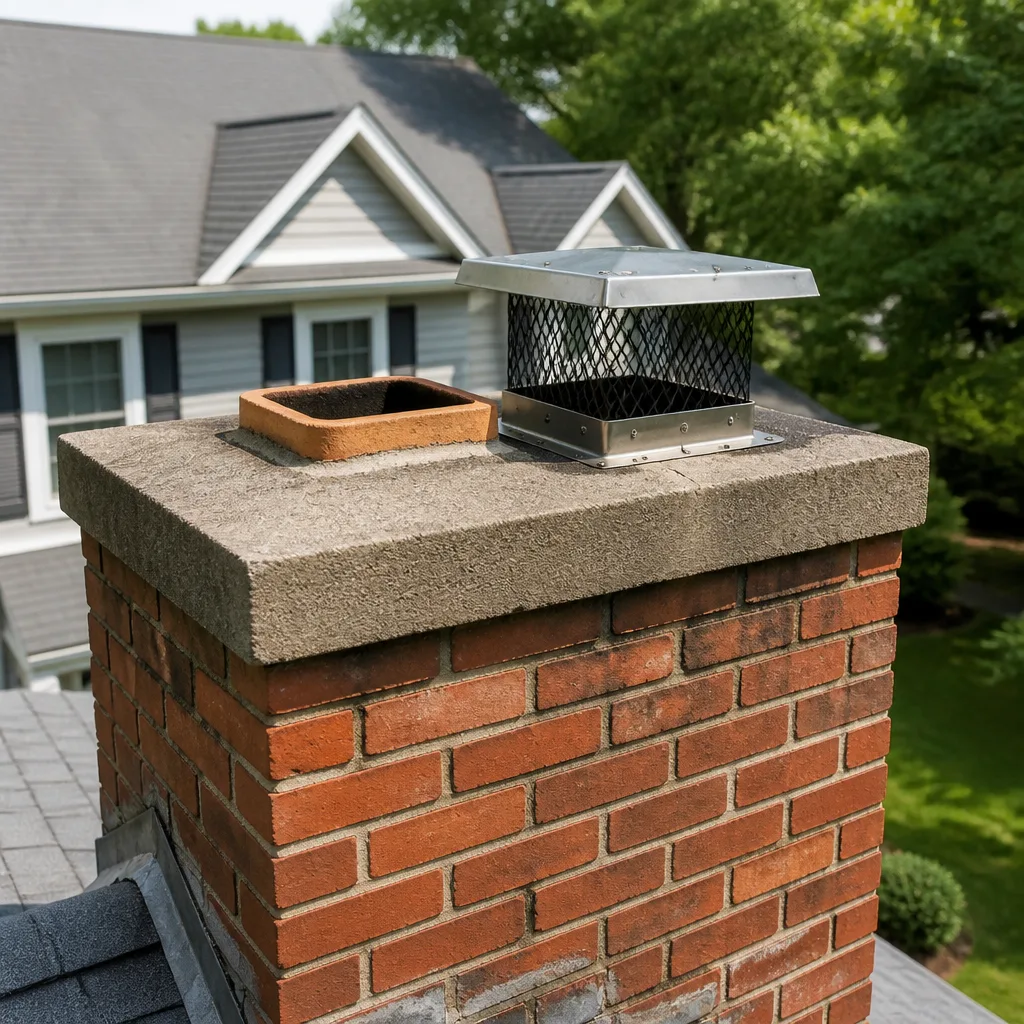 Sweep & inspection
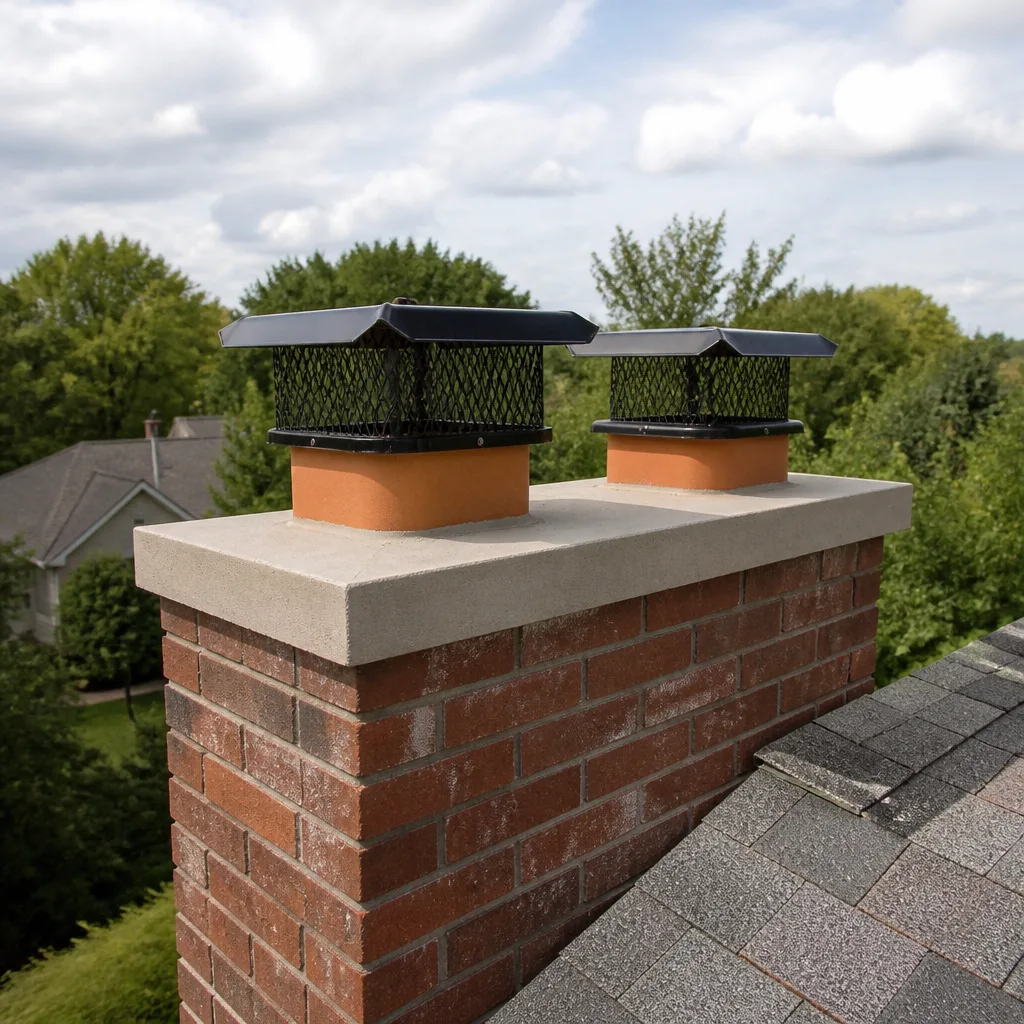 Caps & crowns
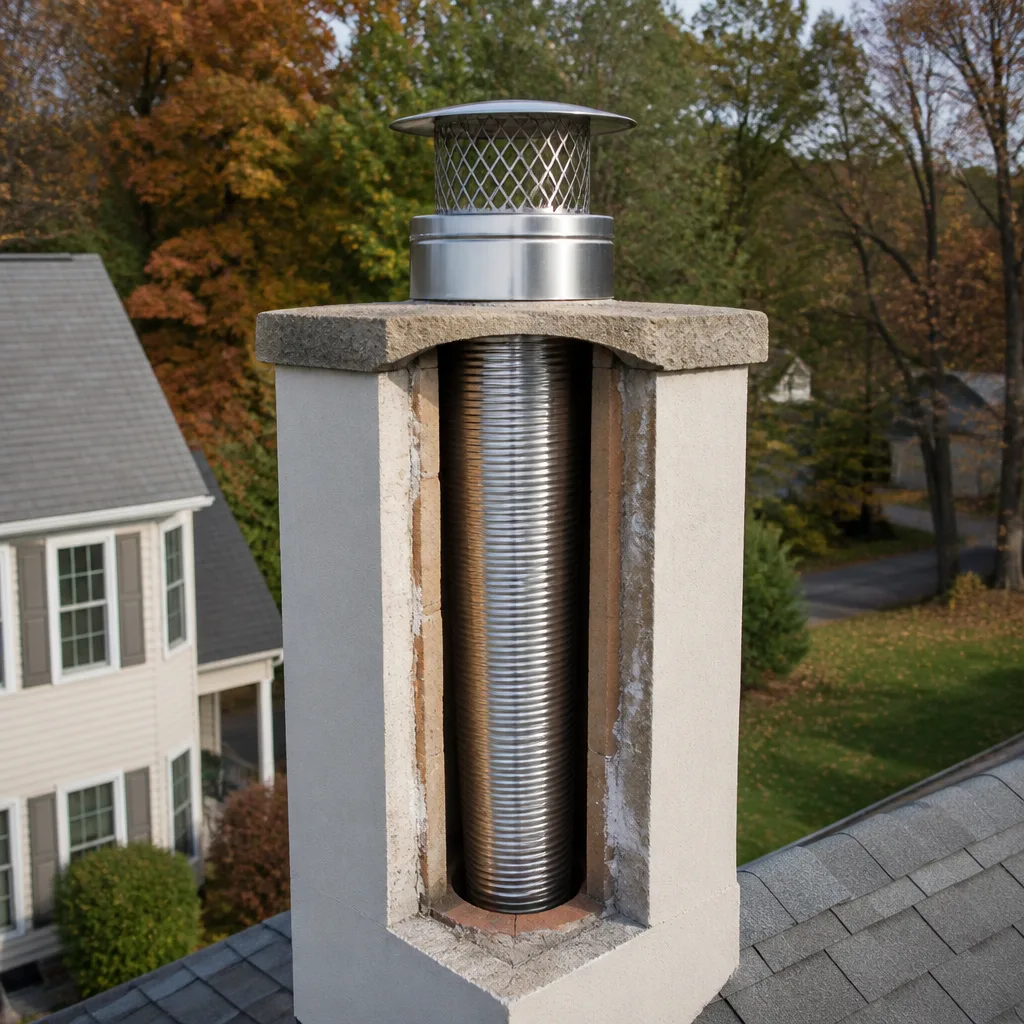 Flue relining
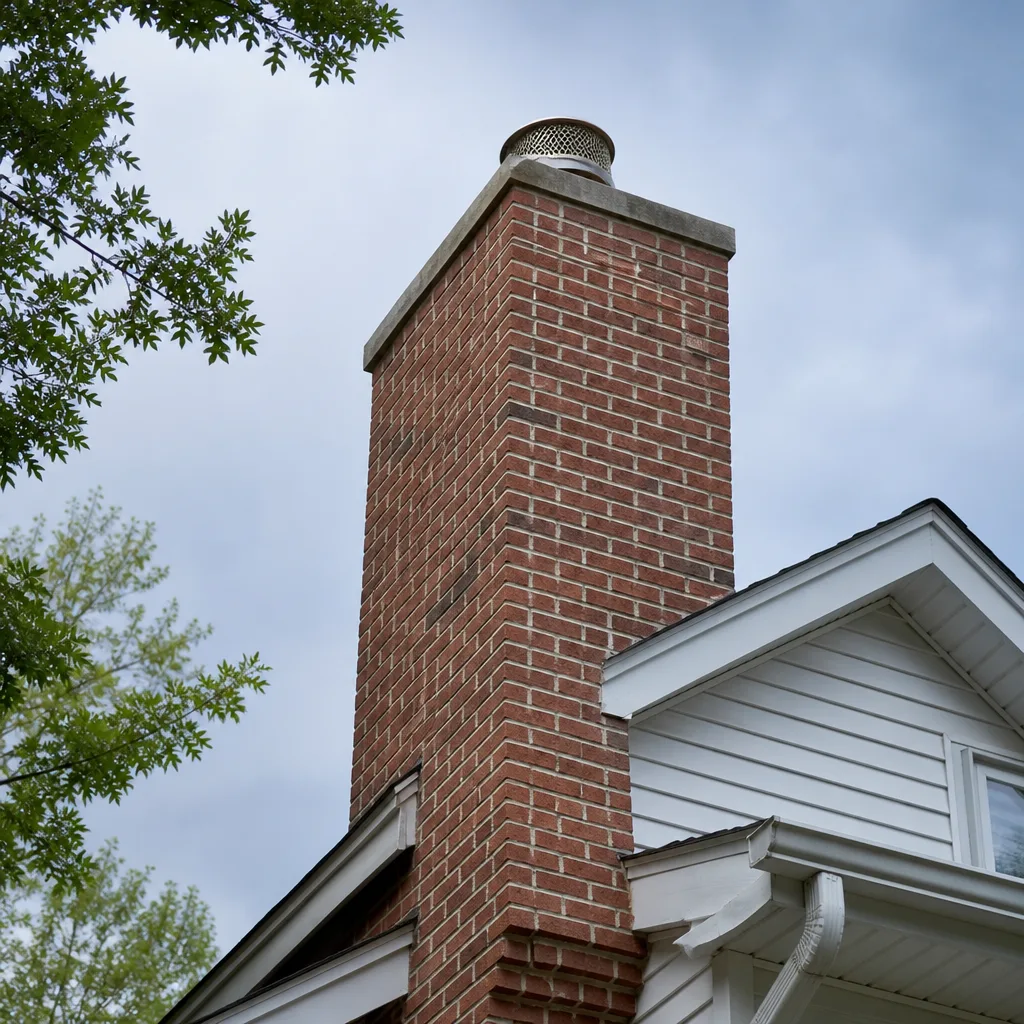 Masonry repair
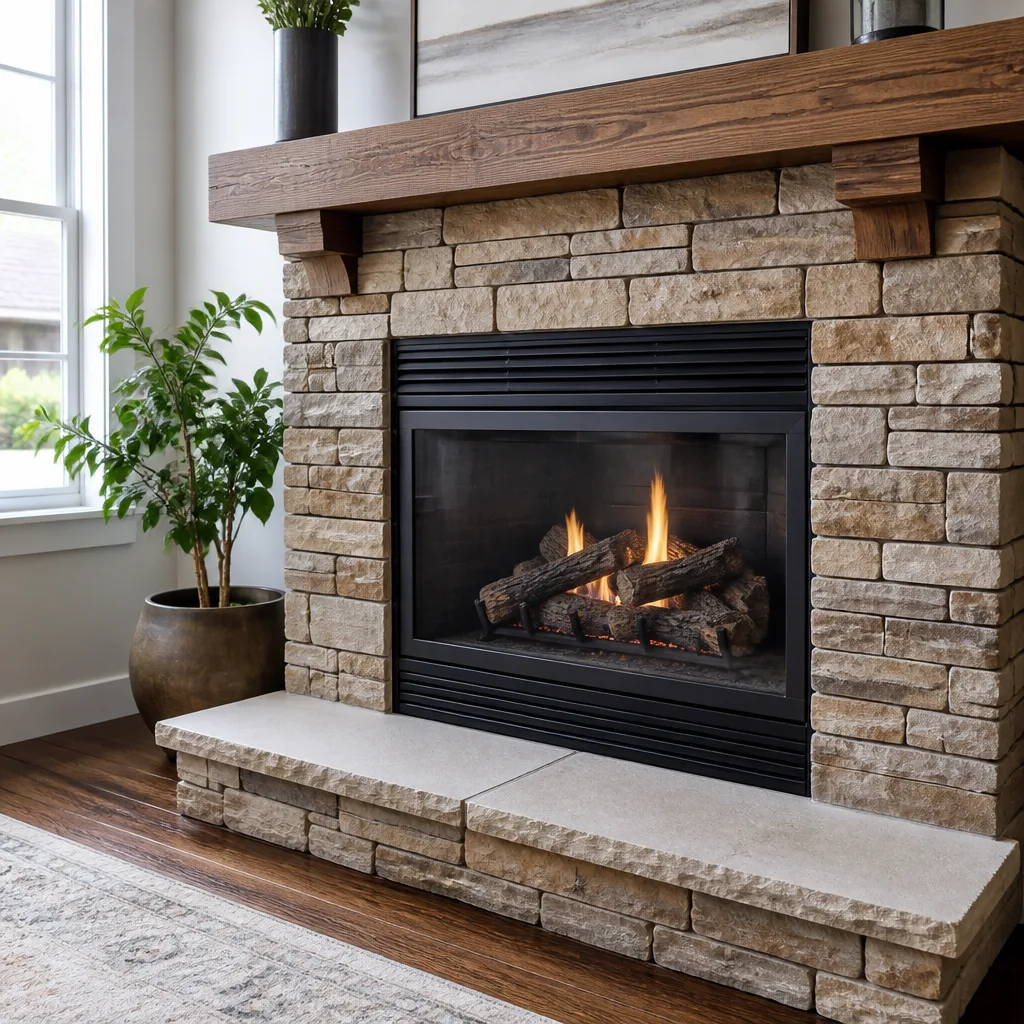 Gas fireplace service
Level 1 sweep and inspection to the NFPA 211 annual standard - flue, crown, cap, and flashing checked and photographed
Chimney sweep logs do not sweep chimneys. They loosen some creosote - which then falls where a brush and vacuum still have to collect it.
Chimney Cleaning Warning Signs: A Downey Homeowner’s Reference Guide
Most homeowners in Downey have a working theory about their chimney. The theory goes: if it isn’t smoking back into the living room, it’s probably fine. That theory survives until the day a sweep’s camera cable disappears into the flue and brings back images of what’s actually sitting above the damper. Here’s the part few people expect: the chimney almost always announces its condition well before a professional ever sees it. The issue is translating those announcements. That odd smell in July. The fine black dust on the mantel. The way the glass doors look after a rain. None of these mean anything in isolation, but read together they tell you exactly what’s happening inside the system. This guide covers what to look for, what each signal actually means, and which ones mean the fireplace should not be used until a sweep in Downey has put eyes on it. For more guides & resources, see our blog.
Styles & brands we work with
Quick Answer
The most common chimney cleaning warning signs in Downey are a persistent musty or campfire-like odor coming from the fireplace in warm weather, visible black or brown creosote buildup on the firebox walls, and white staining (efflorescence) on the exterior chimney brick. Any of these means the system is due for a professional inspection and cleaning. The odor is usually the first sign, and it often appears months before anything looks visibly wrong.
Table of Contents
- The Odor Signals: Smelling Your Way to a Diagnosis
- The Visual Checklist: What to Look For Inside the Firebox
- White Staining on the Exterior: Why Efflorescence Is a Moisture Alarm
- Draft Problems: What Poor Draw Feels Like in a Downey Living Room
- Gas Logs vs. Wood Burning: Different Fuels, Different Warning Signs
- Urgent vs. Scheduled: A Decision Framework for Homeowners
- How Chimneys Fail in Downey’s Climate
- Common Mistakes to Avoid
- When to Call a Professional
- Frequently Asked Questions
- The Bottom Line
The Odor Signals: Smelling Your Way to a Diagnosis
The smell people describe as “musty fireplace odor” is almost never must in the way a damp basement is musty. It’s creosote. Creosote is the tarry byproduct of wood smoke that condenses on the inside of the flue as the smoke cools on its way up. In a Downey summer, when the house sits warm and the chimney is not moving air, that residue gives off a sharp, acrid smell that reads as “old fireplace” to most people. It gets rationalized. It shouldn’t. A strong creosote odor in warm weather means enough residue has accumulated that it’s off-gassing into the living space, which means the flue has a meaningful coating. A Chimney Sweep in Downey can remove that coating before it becomes a fire hazard, but the smell itself is the early warning.
Not every chimney odor is creosote. Here’s what different smells typically indicate:
- Campfire or barbecue smell in summer: Creosote deposits off-gassing in warm, humid air. This is the most common complaint we hear from Downey homeowners between June and September.
- Damp, earthy, or moldy smell: Water getting into the flue, usually through a damaged chimney cap, cracked crown, or failing flashing. Moisture mixes with soot and creates a distinct wet-ash odor.
- Sharp chemical or smoky smell inside the house during use: Draft failure pushing combustion byproducts back into the room. This is a stop-using-the-fireplace situation, not a schedule-a-cleaning situation.
- Burning dust smell on first fire of the season: Normal, but only for the first 20-30 minutes. If it persists, there’s something besides dust in the flue.
- Rotting animal smell: A deceased bird, squirrel, or raccoon in the chimney. Requires removal and a new chimney cap. Most residential chimneys in Downey without proper caps will eventually have an animal visit.
Here’s the insight that matters: odor is the earliest warning sign in the entire system. It shows up weeks or months before visible creosote glazing, before draft reversal becomes obvious, before water stains appear on interior walls. If you smell the fireplace when it isn’t being used, the chimney is talking to you. The question is whether anyone’s listening.
The Visual Checklist: What to Look For Inside the Firebox
You don’t need any special tools to give your firebox a quick read. You need a flashlight and about five minutes. Here’s the step-by-step version we walk through with Downey homeowners.
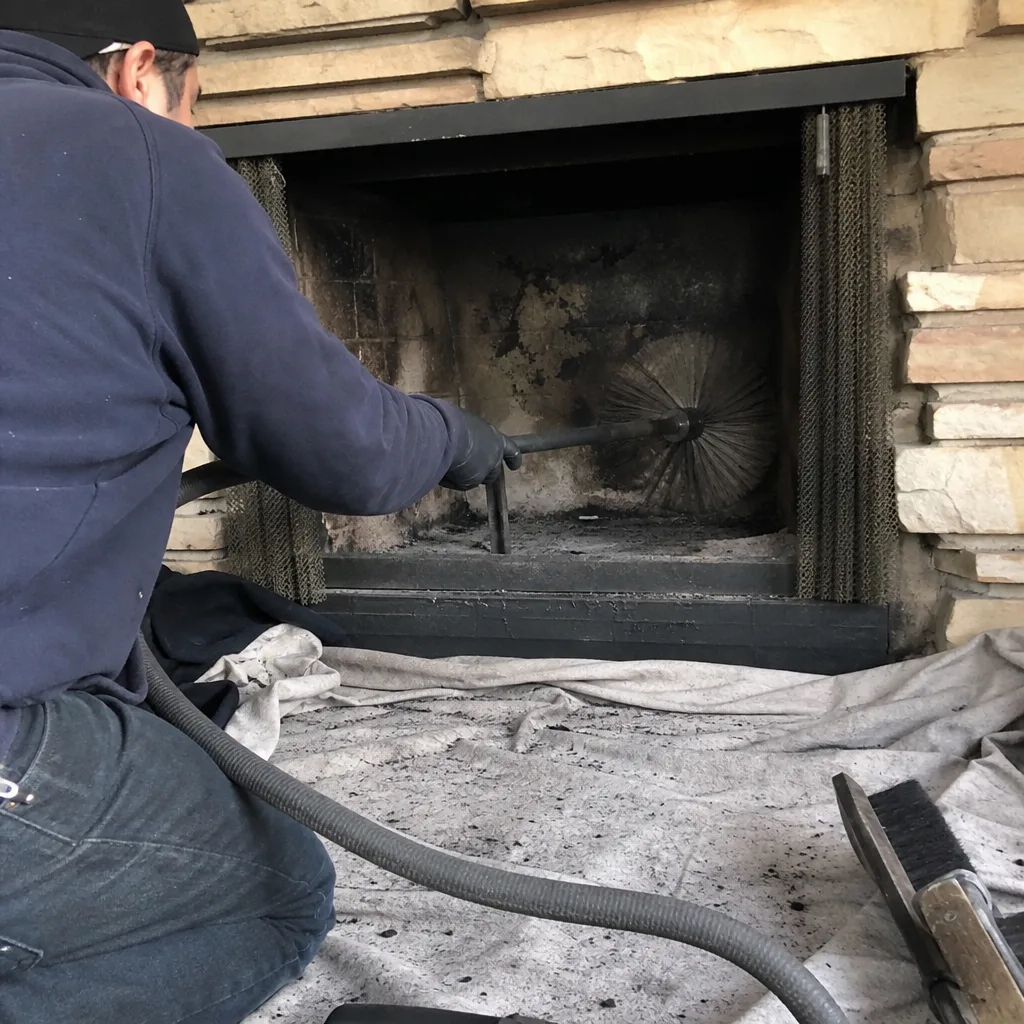
Step 1: Open the damper and shine the flashlight up into the flue. If you see black, flaky material that looks like coffee grounds, that’s creosote soot. It should not be there in heavy quantities. A thin dusting after a season’s use is normal. A thick, textured coating is not.
Step 2: Look at the firebox walls. Shiny, tar-like black glassy patches are third-degree creosote. This is the glazed stage, and it’s the most dangerous form because it’s concentrated fuel with a high ignition temperature. It’s also extremely difficult to remove without professional tools. Homeowners sometimes mistake this for “stained brick” and leave it alone.
Step 3: Check for flaking or spalling brick. Small piles of brick dust or thin flakes on the firebox floor indicate the refractory brick is deteriorating. This is a repair issue, not a cleaning issue, but a sweep should catch it during a cleaning visit. Brownstone Chimney Sweep carries firebrick and refractory materials for these repairs, so the fix doesn’t require bringing in a mason.
Step 4: Look up at the damper housing. If the damper is rusted, warped, or won’t open and close smoothly, water has been getting to it. The damper is the first component to show rust because it sits at the transition point where outside air meets the flue interior.
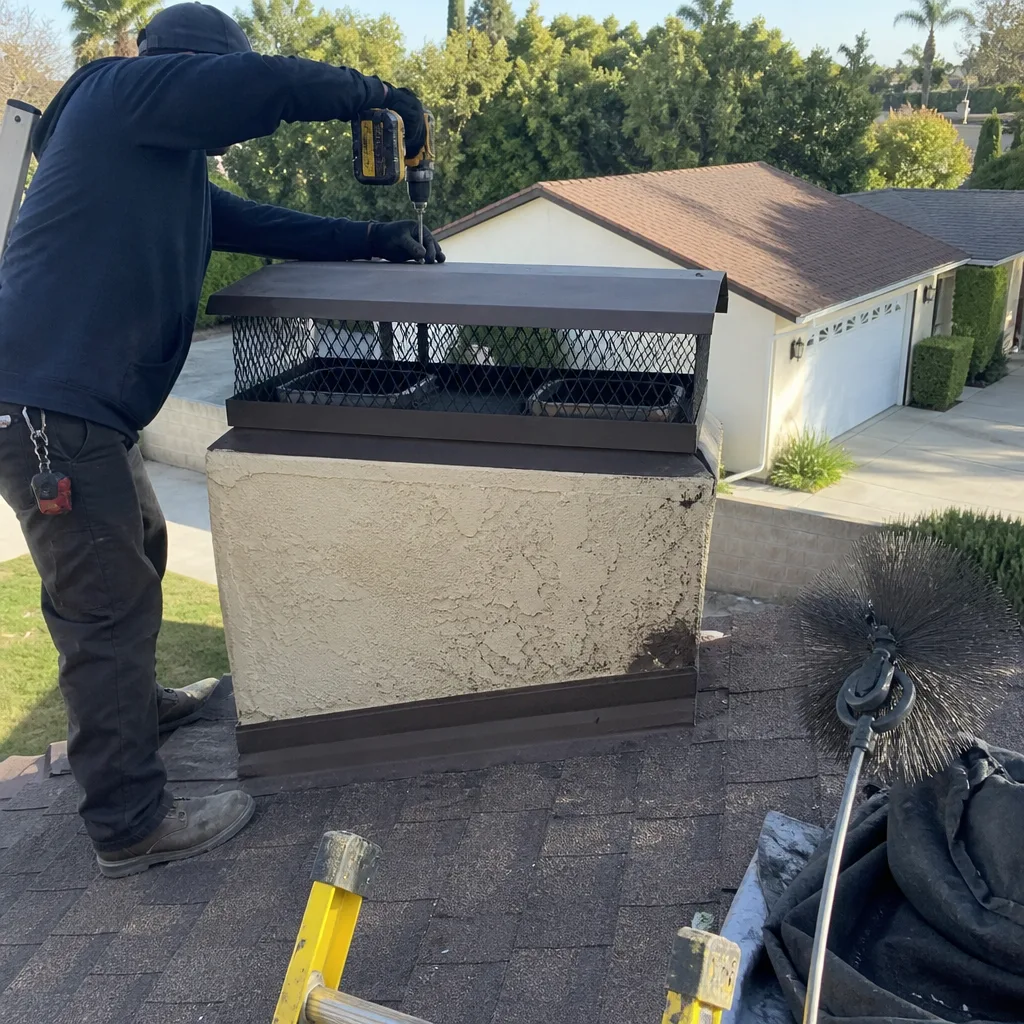
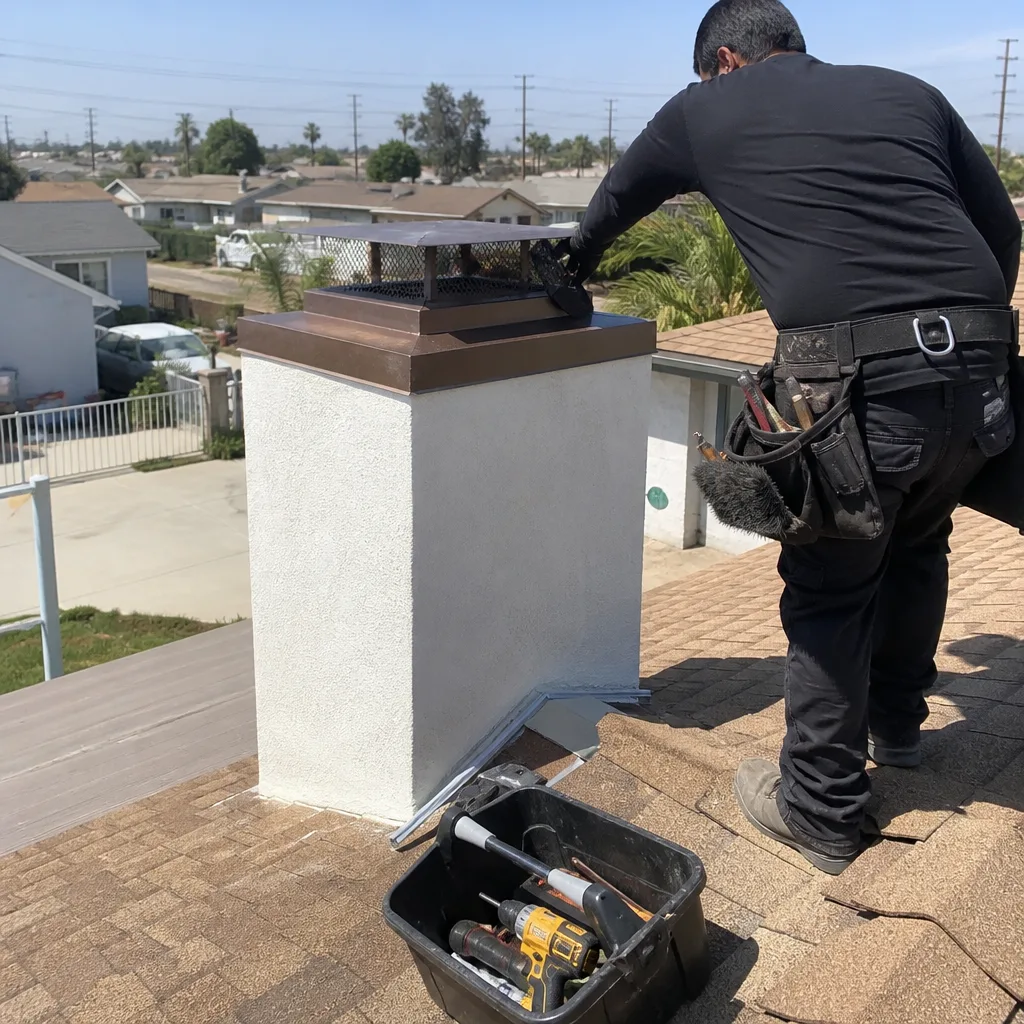
Step 5: Examine the chimney cap from outside. If rain has been falling in, the cap is missing, damaged, or the wrong size for the flue tile. A proper cap keeps water, debris, and animals out, and it’s one of the least expensive components to replace relative to the damage its absence causes. We stock Brownstone Chimney Sweep home spec-grade termination components including Famco and Copperfield caps that are sized to the actual flue dimensions, not the generic fits-most version from the hardware store.
White Staining on the Exterior: Why Efflorescence Is a Moisture Alarm
White, chalky staining on the outside of a chimney in Downey is one of the most overlooked warning signs in residential masonry. It’s called efflorescence, and the conventional wisdom among homeowners is that it’s cosmetic. That conventional wisdom is incomplete.
Efflorescence happens when water moves through the masonry and carries dissolved salts to the surface. When the water evaporates, the salts remain as a white deposit. So the staining itself is not structural damage, but the moisture migration that created it absolutely is. Every instance of efflorescence means water is moving through the chimney in a way it shouldn’t be. In Downey’s climate, where rain comes in short winter bursts and summers are dry, the cycle of wetting and drying accelerates salt migration and accelerates the deterioration of mortar joints.
What homeowners should look for in addition to the white staining:
- Dark, damp-looking brick after rain: Water is absorbing into the masonry rather than shedding off it. Older chimneys in Downey neighborhoods with original mortar are especially vulnerable.
- Missing or recessed mortar joints: Run your finger along a joint. If you can dig out sand with a fingernail, the mortar is past its service life and water is penetrating through it.
- White staining concentrated near the top third of the chimney: This indicates water entry at the crown or cap level rather than at the roofline, which changes the repair approach entirely.
The professional-grade approach to moisture intrusion on chimneys involves the right-grade repair materials, not patching compounds. Brownstone Chimney Sweep uses trade-respected product lines like HeatShield and Gelco for flue resurfacing and WaterShield products for masonry treatment, so repairs are built to last rather than patched to pass a visual inspection. The key takeaway: if you can see efflorescence, the chimney has been wet for a while. The time to address it is before the next rainy season, when the freeze-thaw cycles and repeated moisture exposure compound the damage.
Draft Problems: What Poor Draw Feels Like in a Downey Living Room
Draft is the chimney’s job. The flue exists to create a column of rising warm air that pulls combustion byproducts up and out. When that column fails, the symptoms are specific and easy to misread as something else.
Here’s what poor draft actually feels like in the room:
- Smoke that wafts into the room when you first light a fire, then improves: The flue hasn’t warmed up yet, which is common when the chimney is cold and the house is tight. Opening a window a crack during startup often fixes this. If it doesn’t, the flue may be partially obstructed.
- Smoke that enters the room constantly, regardless of fire size: This is a failing draft, not a startup issue. Causes include a flue that’s undersized for the firebox, a partially blocked flue, or negative air pressure in the house from exhaust fans or an HVAC system.
- Cold air blowing down the chimney when no fire is burning: A downdraft. This can happen in Downey when outdoor air masses move in and the chimney reverses direction. A properly fitted damper and cap help, but persistent reverse draft often points to flue height or sizing issues.
- Difficulty keeping a fire lit even with dry wood: Insufficient combustion air coming into the firebox. This is more common in newer, tightly sealed Downey homes and often requires a dedicated air supply or a different firebox configuration.
The three most common causes of draft failure we see in Downey homes are, in order of frequency: (1) accumulated creosote and soot reducing the effective flue diameter, (2) improper flue sizing for the installed fireplace or insert, and (3) negative pressure from the home’s mechanical systems. For a deeper dive, see our Chimney Sweep Troubleshooting: Common Problems and How to Fix Them. The first one is solved by cleaning. The second requires a properly sized liner system, which is where DuraFlex liners come in because they allow correct sizing for wood, gas, and oil appliances rather than a one-size solution. The third requires testing the house as a system, not just the chimney.
Gas Logs vs. Wood Burning: Different Fuels, Different Warning Signs
Downey homes split fairly evenly between wood-burning fireplaces and gas log sets, and the warning signs for each are distinct. A gas log set won’t produce creosote, but that doesn’t mean the chimney needs no attention. It means the failure modes are different.
Gas log warning signs:
- Soot accumulation on the glass doors or log faces: Yellow-tipped flames and incomplete combustion produce soot even in gas appliances. If the logs are getting progressively blacker, the air-to-fuel mix is off or the burner needs service.
- A persistent “gas-like” smell when the logs are off: Could be a small leak at a fitting or the pilot line. Gas odors should always be investigated promptly rather than attributed to “residual smell.”
- White calcium-like deposits around the damper or smoke shelf: Moisture has been entering and mixing with the combustion byproducts of natural gas, which creates acidic condensate that corrodes flue tiles and metal dampers.
- Flames that look lazy or yellow-heavy with no blue base: The burner isn’t pulling enough combustion air, which can indicate a draft problem within the flue rather than an issue with the gas appliance itself.
Wood-burning warning signs:
- Accelerating creosote buildup between cleanings: If the flue looks dirtier after one season than it used to after three, something has changed. Usually it’s the firewood moisture content or the burn habits.
- Glass doors that stay fogged or coated even after burning: Unburned combustion byproducts are collecting on the glass because the firebox temperature or draft isn’t where it should be.
- A stove or insert that suddenly needs more air to maintain the same fire: The air inlet path or the flue outlet has a partial obstruction.
Professional sweeps in Downey often work on both fuel types in the same neighborhood. The important distinction: gas logs don’t eliminate the need for chimney maintenance, they change what the maintenance looks like. A stainless liner like a DuraFlex system is often what separates a gas fireplace that drafts properly from one that fights itself.
Urgent vs. Scheduled: A Decision Framework for Homeowners
Not every warning sign means the same level of urgency. Here’s how we advise Downey homeowners to triage what they’re seeing.
Stop using the fireplace immediately and call a professional:
- Smoke entering the room during use and not resolving within the first few minutes.
- The smell of gas when the gas log set is not in operation.
- Visible flames or glowing embers visible through cracks in the chimney exterior or at the roofline.
- Loud popping or rumbling sounds from the flue during a fire, which can indicate a chimney fire in progress.
- Water actively dripping into the firebox during rain.
Schedule a professional cleaning and inspection within the next 30-60 days:
- Musty or campfire odor from the fireplace in warm weather.
- Visible creosote buildup (flaky black coating) on the firebox walls or damper.
- Efflorescence on the exterior chimney brick.
- Draft problems that are intermittent or mild.
- Evidence of an animal having been in the chimney (droppings, nesting material, scratching sounds).
- It has been more than 12 months since the last professional cleaning.
The distinction matters because misclassifying an urgent issue as a routine maintenance item is how chimney fires start, and misclassifying a routine issue as an emergency is how homeowners get talked into expensive work they didn’t need. Straight talk about what your chimney actually needs is the entire point, and it’s the approach Brownstone Chimney Sweep is built around. If you’re evaluating service providers, our Choosing the Right Chimney Cleaning Brand: A Buyer’s Guide for Downey may help.
How Chimneys Fail in Downey’s Climate
Downey’s specific climate creates a specific set of chimney problems. The region’s mild winters and long dry summers mean chimneys spend most of the year dormant, which sounds good but creates its own issues. The creosote that forms during the short winter burning season sits through the entire warm season, hardening and glazing as temperatures rise. By the time the next burning season arrives, what started as a brushable coating may now require rotary tools to remove.
The moisture side is equally climate-specific. Downey’s winter rain, while not heavy by national standards, comes in concentrated bursts that expose masonry to quick saturation. Then the dry season bakes the moisture out. This wet-dry cycle is harder on mortar than constant dryness or constant moisture would be. Homes in the older Downey neighborhoods, where chimneys may be 40 or 50 years old, are at the point where original mortar is reaching the end of its service life.
What this means practically:
- Annual inspection matters more here than in colder climates. The long dormant season means no visual feedback from use, so damage accumulates silently.
- Waterproofing is worth considering for older masonry chimneys. A breathable siloxane-based treatment helps the masonry shed water while allowing the chimney to still vent internal moisture.
- Spring and early summer are the best times for cleaning in Downey. It gets creosote out before the hot months bake it into a glaze, and it gives the homeowner a full season of clean-burning fires.
Common Mistakes to Avoid
- Ignoring the summer odor. This is the number one rationalization we hear: “the fireplace always smells like that in the summer.” It smells like that because creosote is off-gassing into the house. The smell is a diagnostic signal, not a seasonal quirk.
- Treating efflorescence as a cosmetic issue. Painting over efflorescence without addressing the moisture source traps water inside the masonry and accelerates spalling. White staining on the exterior is always a moisture migration issue.
- Burning the wrong wood because it was free. Softwoods and unseasoned wood produce dramatically more creosote than properly dried hardwoods. The “free” wood costs more in the long run through faster creosote accumulation.
- Skipping the annual cleaning because the fireplace wasn’t used much. Even a single cord of wood burned per season produces enough creosote to warrant annual cleaning. The layer may be thin, but it still creates a flammable surface for the next season.
- Replacing a chimney cap with a hardware-store version. The cap has to be sized to the actual flue dimensions and secured correctly. Generic caps that don’t fit properly create the same water and animal issues they were installed to prevent.
- Using the fireplace while the damper is partially closed to “regulate” the fire. This restricts draft and increases creosote deposition. The damper should be fully open during use and fully closed when the fireplace is cold.
- Assuming gas logs mean zero maintenance. Gas log flues still accumulate soot, still experience moisture damage, and still need annual inspection. The failure modes are different, not absent.
When to Call a Professional
If the fireplace is producing any odor in warm weather, if you can see black buildup inside the firebox, if the exterior chimney shows white staining, or if a fire doesn’t draft the way it did last year, the chimney needs professional attention. These are not situations that resolve on their own, and they are not situations where a visual check from the living room gives you the full picture. A proper diagnosis requires a camera inspection of the flue interior, which shows creosote thickness, moisture intrusion points, and any structural issues in the flue tiles. Brownstone Chimney Sweep offers free estimates in Downey and provides a full written report with images after every cleaning and inspection. Call (866) 253-8489 to schedule a sweep and get honest answers about what your chimney actually needs.
Frequently Asked Questions
A chimney that burns wood should be cleaned once per year, ideally in the spring after the burning season ends or in early fall before it begins. Gas log fireplaces should be inspected annually and cleaned as needed, which for most Downey homes means every 1-2 years. The National Fire Protection Association standard is that chimneys be cleaned when creosote buildup reaches 1/8 inch, which in practical terms translates to annual cleaning for regular wood burners. Call (866) 253-8489 for an assessment of your specific fireplace and usage pattern.
Creosote in a chimney smells like a sharp, acrid version of campfire smoke, sometimes with a tarry undertone. In warm weather it reads as “musty old fireplace” and is often mistaken for a house smell rather than a chimney issue. The smell intensifies on humid days and after rain, which is why Downey homeowners notice it most in July and August.
A standard chimney sweeping in Downey typically ranges from $180 to $340 depending on the flue condition, the amount of creosote present, and whether the chimney has been recently maintained or has years of buildup. If a rotary cleaning is needed for glazed creosote, the cost runs higher. Brownstone Chimney Sweep provides a flat-price quote before any work begins, so there are no surprises after the fact. Call (866) 253-8489 for an exact estimate.
Cleaning a chimney from the roof involves working at height, handling brushes that can damage flue tiles if used incorrectly, and managing creosote that should not be inhaled or spread through the house. The risk isn’t worth the savings, and a DIY cleaning can’t include the camera inspection that catches structural issues a brush never touches. Most insurance companies also expect professional cleaning documentation if a chimney fire claim is ever filed.
Creosote continues to accumulate with every fire, and at some point the layer becomes thick enough to ignite. A chimney fire can reach temperatures that crack flue tiles, damage the surrounding framing, and in the worst case spread into the home’s structure. Less dramatically, moisture and soot combine to corrode dampers, deteriorate masonry, and eventually require repair work that would have been unnecessary if the flue had been cleaned annually. The cleaning is cheaper than the repair, every time.
A wet-ash smell after rain means water is entering the flue and mixing with the soot and ash deposits inside. The water source is usually a damaged chimney cap, a cracked crown, or failing flashing at the roofline. Once water entry has started, it doesn’t stop on its own, and the moisture accelerates deterioration of the flue lining. This is a professional repair issue, not a cleaning issue, though the cleaning usually happens as part of the repair process. Call (866) 253-8489 to have the entry point identified and fixed.
The Bottom Line
Most chimney warning signs in a Downey home are visible or smellable long before they become urgent, but only if the homeowner knows how to read them. A summer odor is a creosote signal, not a seasonal quirk. Efflorescence is a moisture migration issue, not a cosmetic one. Draft failure has specific causes that can be identified and fixed. And gas log fireplaces need annual inspection just as wood-burning ones do, because the failure modes are different but no less real. The right response to any of these warning signs is a professional cleaning and camera inspection, which answers the most important question a homeowner has: what exactly is going on in there, and what needs to be done about it. Chimney Repair in Downey and Dryer Vent Cleaning in Downey fall under the same roof, which means what the cleaning uncovers can be fixed by the same company that found it.
Written by the team at Brownstone Chimney Sweep, serving Downey since 2012.
See the difference
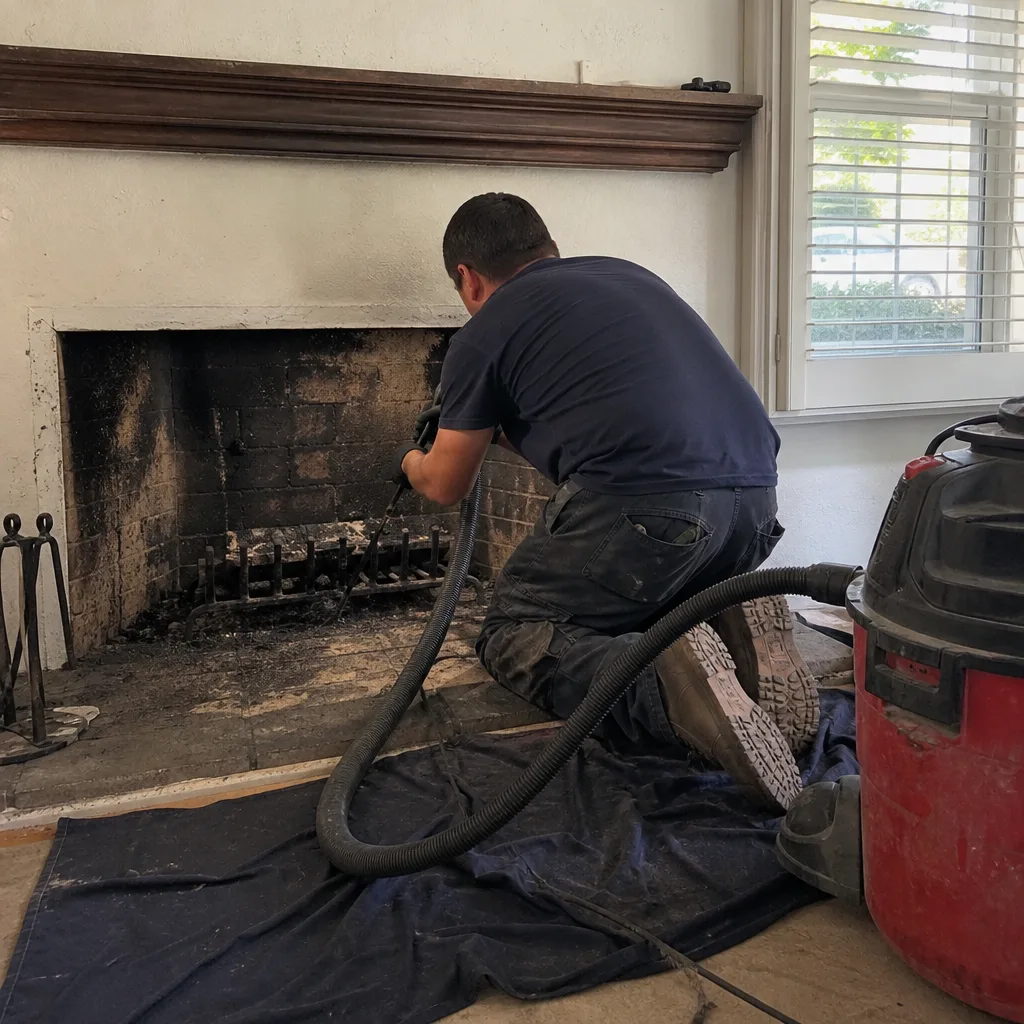 Before
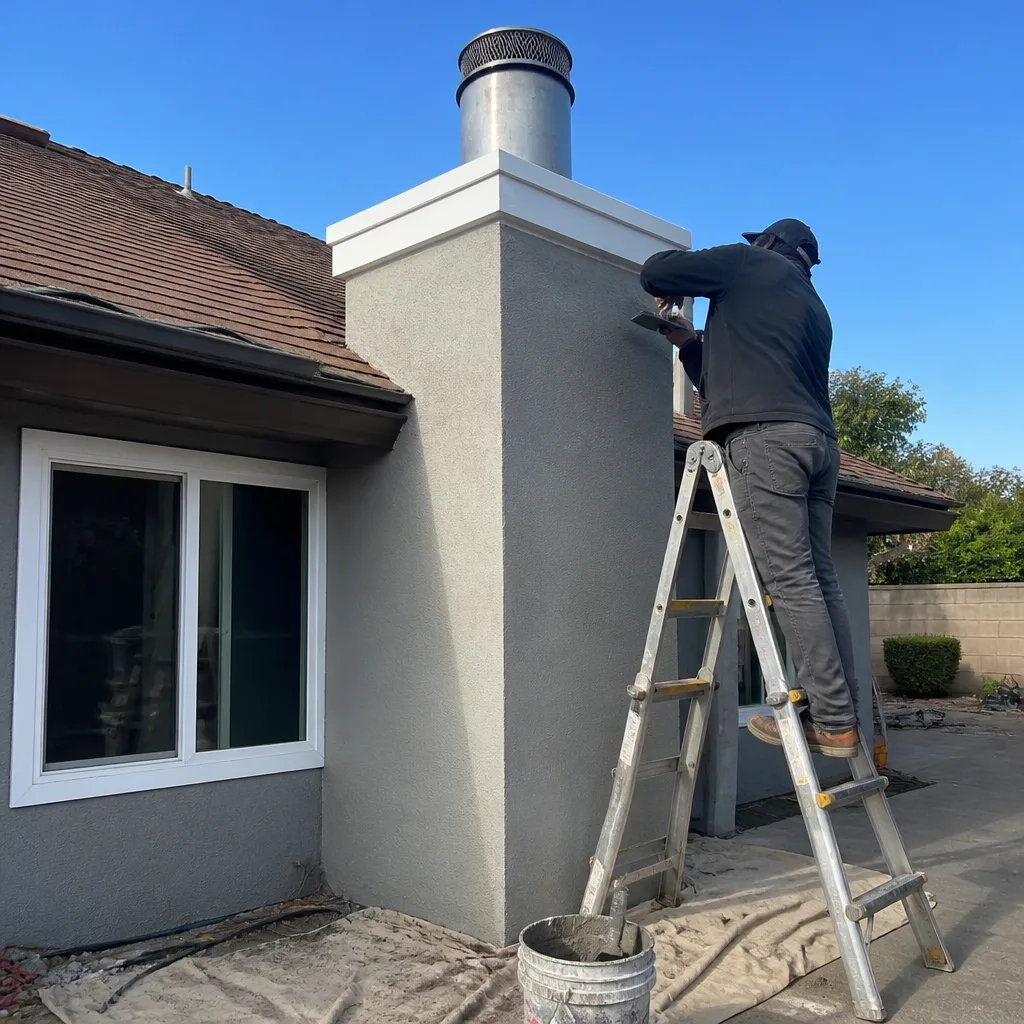 After
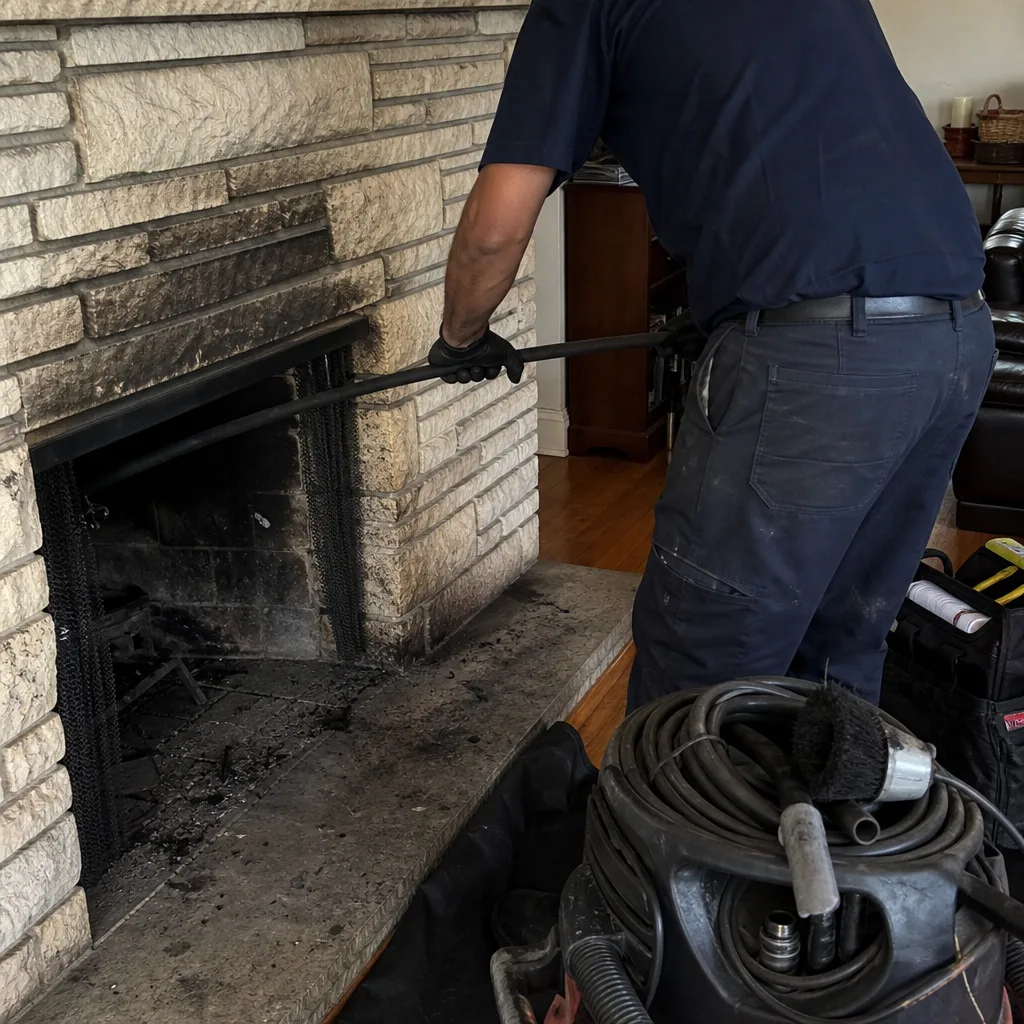 Before
 After
 Before
 After