
Last updated October 30, 2026
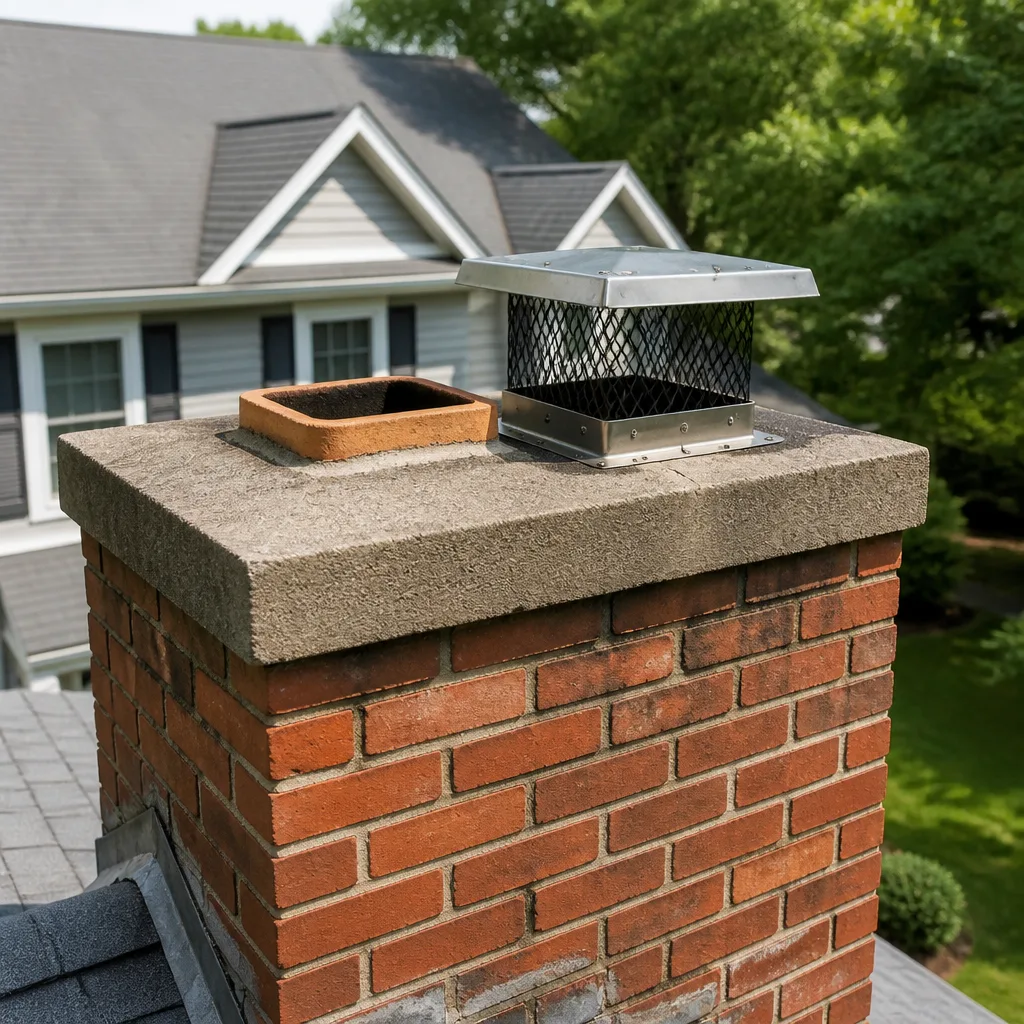 Sweep & inspection
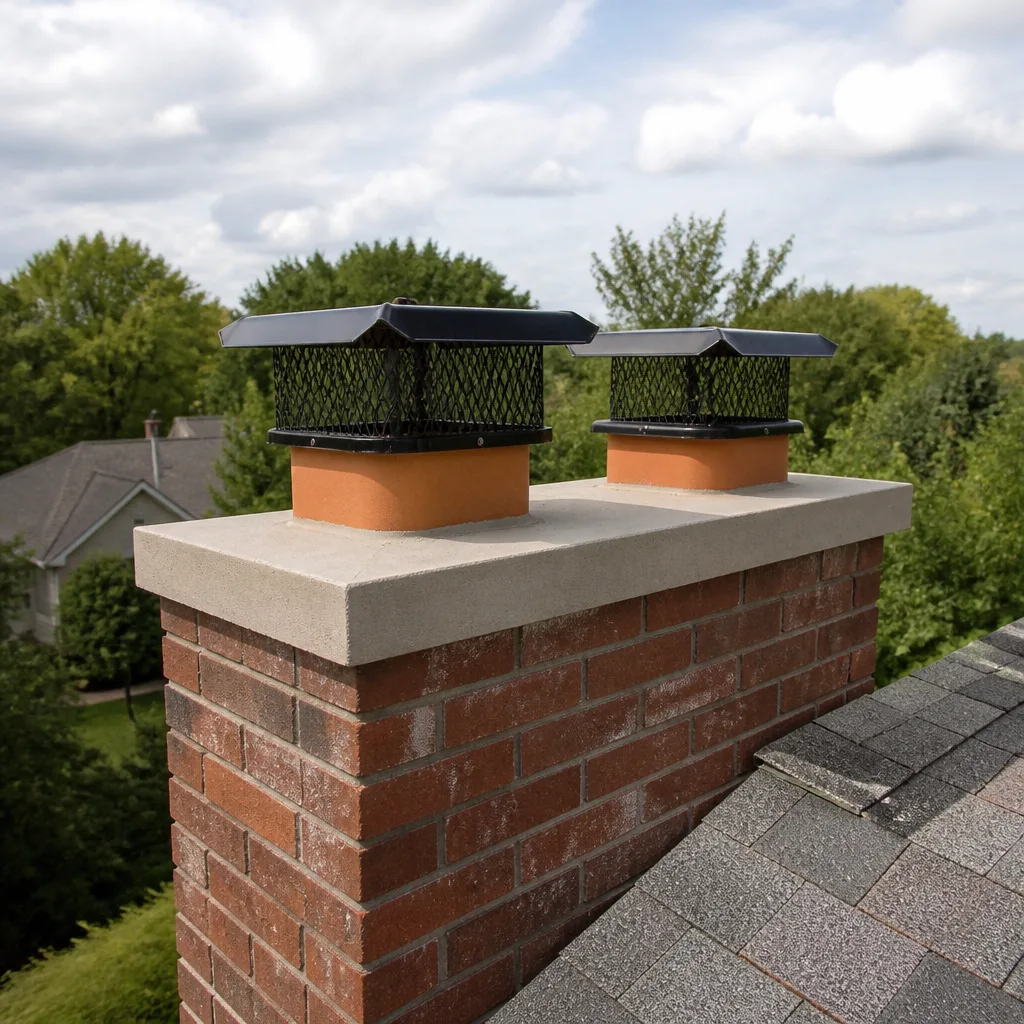 Caps & crowns
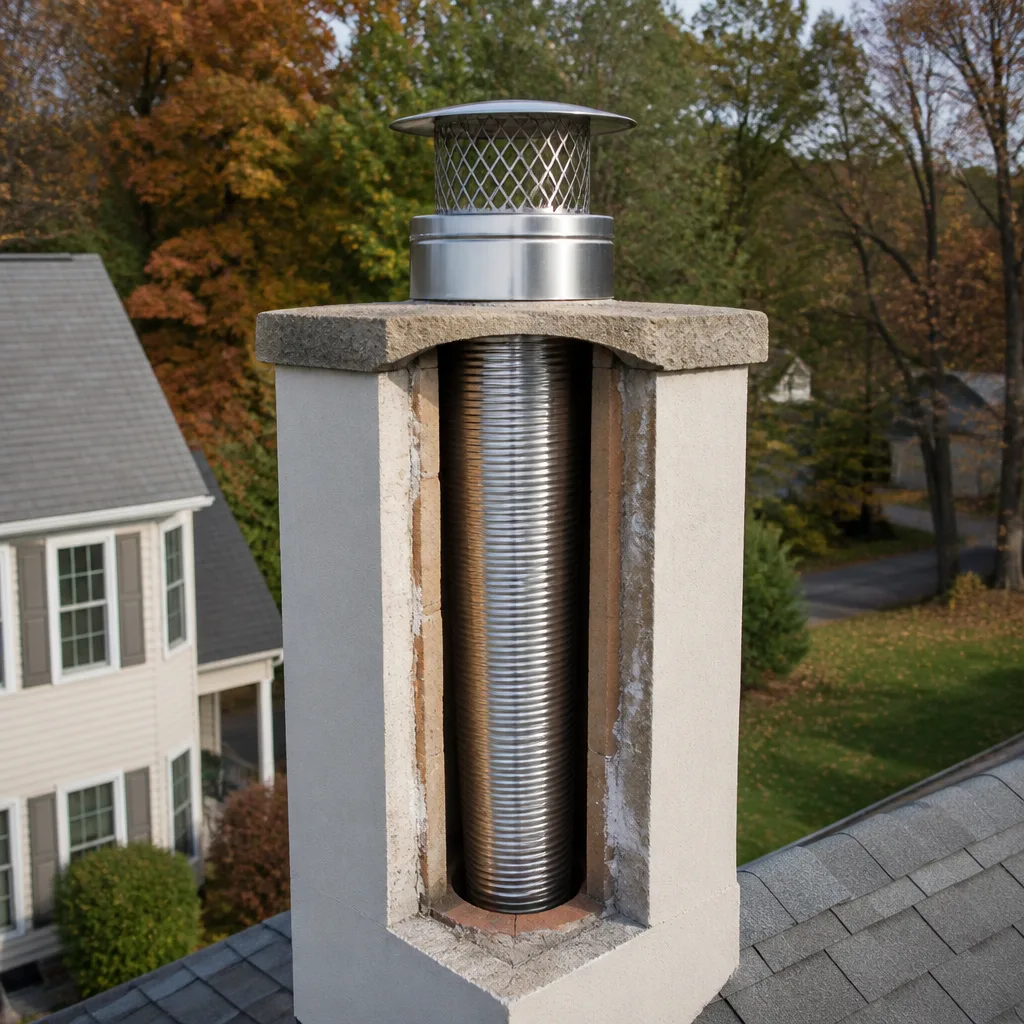 Flue relining
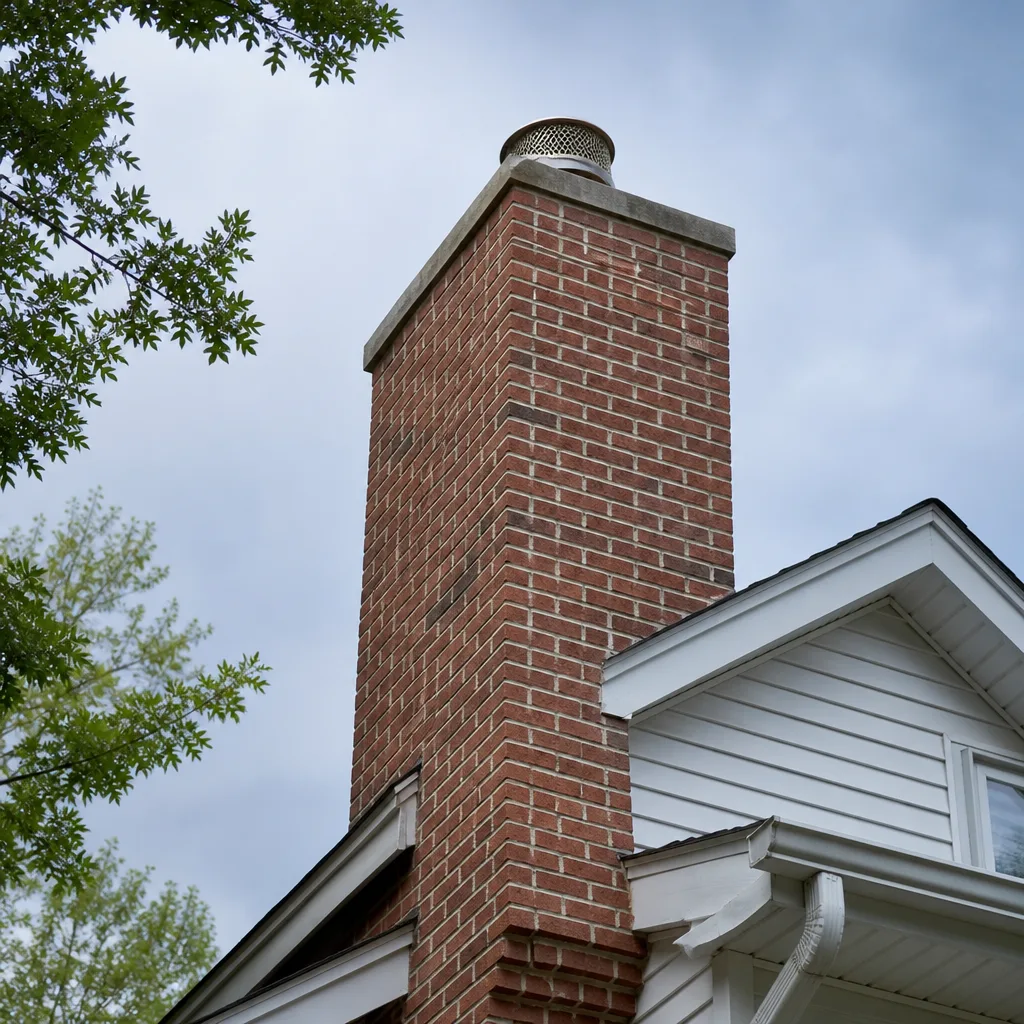 Masonry repair
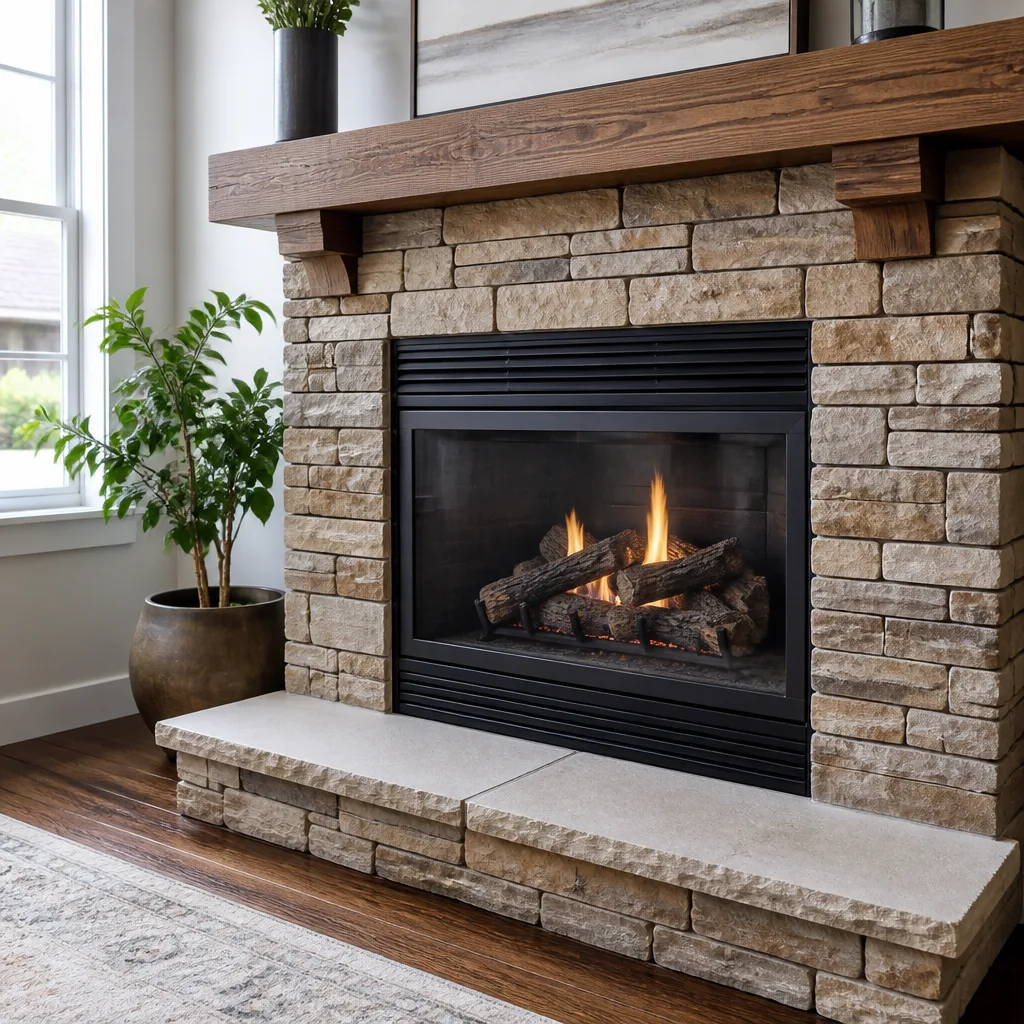 Gas fireplace service
Level 1 sweep and inspection to the NFPA 211 annual standard - flue, crown, cap, and flashing checked and photographed
Chimney sweep logs do not sweep chimneys. They loosen some creosote - which then falls where a brush and vacuum still have to collect it.
Chimney Sweep Maintenance Checklist for Downey Homeowners
Most chimney maintenance checklists you’ll find online were written for houses in Minnesota or Vermont, where a wood stove burns daily from October through April. That advice doesn’t transfer cleanly to Downey, where a fireplace might get lit eight or ten times a year and the bigger threats are creosote that sits for months, birds nesting in a dormant flue, and dryer vents nobody thinks about until the lint trap stops catching lint. This guide is a maintenance calendar built around how Downey homes actually use their fireplaces, not how a cabin in the Adirondacks does. You’ll learn what to check before lighting season, what to do after your last fire of the year, and which tasks you can handle yourself versus which ones need our Chimney Sweep services.
Styles & brands we work with
Quick Answer
A chimney maintenance checklist for a Downey homeowner should focus on three things: an annual inspection before you light the first fire of the season, a post-season check after your last burn, and keeping your dryer vent on the same schedule since it’s part of the same venting system. The tasks that matter most in Southern California are verifying the damper opens and closes fully, checking for bird or debris blockages after months of disuse, and confirming the flue liner is intact before you ignite anything. If you use a gas fireplace, add an annual check of the venting and termination cap to the list.
Table of Contents
- Why Downey Needs a Different Chimney Checklist
- Your Annual Maintenance Calendar
- Pre-Season Checklist: What to Do Before Your First Fire
- Post-Season Checklist: After Your Last Fire
- DIY Inspections You Can Do Safely
- Findings That Mean: Stop Using the Fireplace
- Why the Dryer Vent Belongs on the Same List
- Building a Maintenance Record That Matters
- Common Mistakes to Avoid
- When to Call a Professional
- Frequently Asked Questions
- The Bottom Line
Why Downey Needs a Different Chimney Checklist
Downey’s climate does something specific to chimneys that colder regions don’t experience as intensely: long periods of total disuse followed by sudden, enthusiastic use. A fireplace that sits dormant for six or seven months becomes a target for birds, squirrels, and bees. Creosote that formed during last season’s fires doesn’t just disappear. It sits there. And when you light that first fire in November or December, any creosote that accumulated the previous winter is now fully cured and primed to ignite.
Southern California’s occasional rain also matters. Water intrusion is one of the most common chimney problems we see in Downey homes. A cracked chimney crown or a missing rain cap lets water into the flue, and that water sits against the masonry or the liner. Over a long dry summer, the water evaporates and leaves behind mineral salts that slowly degrade the structure. This happens even in a house where the fireplace was never lit once.
Gas fireplaces in Downey have their own quirks. Many Downey homes built in the 1950s and 1960s have original masonry chimneys that were later adapted for gas inserts or gas logs. That adaptation sometimes involved running a flexible liner through an old clay-tile flue. A gas appliance vents differently than a wood fire, and the corrosive byproducts of gas combustion can wear on older liners in ways a wood fire never would. Your checklist needs to account for this.
So the right Downey checklist doesn’t ask you to split and stack firewood or empty ash every single week. It asks you to be smart about a system that sits idle most of the year and gets called into service suddenly. That means your inspections are front-loaded before lighting season, not spread evenly across twelve months. It means you treat bird intrusion as a serious issue, not a curiosity. And it means you include your dryer vent, because in Southern California the laundry room runs year-round while the fireplace sits dark.
Your Annual Maintenance Calendar
A chimney maintenance schedule for a typical Downey home breaks into two main inspection points and one year-round habit. You don’t need to do chimney work every month. You need to do it at the right times and with the right attention to detail.
September to October: Pre-Season Inspection
Before the first fire of the season, walk through the pre-season checklist below. This is the single most important maintenance event of the year for a Downey fireplace. If you only do one chimney check annually, this is the one that catches the issues that could ruin your first fire night.
November to February: Active Monitoring
While you’re using the fireplace, stay alert to changes: unusual smoke behavior, a new smell, louder-than-normal drafting sounds, or soot falling into the firebox. These are early warning signs of a developing problem. You don’t need to do anything ritualistic. Just pay attention.
March to April: Post-Season Review
After your last fire of the season, do the post-season checklist below. This catches damage that happened during use and sets you up for a clean chimney next winter. It’s also the right time to schedule professional sweeping, since demand is lower in spring and early summer, meaning you’ll have your pick of appointment times before the fall rush—see our Chimney Sweep Troubleshooting: Common Problems and How to Fix Them for what to expect.
Year-Round: Dryer Vent Awareness
Your dryer vent runs every week regardless of fireplace season. Lint accumulates continuously, and in Downey’s dry air, lint ignites easily. The National Fire Protection Association (NFPA) reports that failure to clean dryer vents is the leading cause of home clothes dryer fires. We recommend checking your dryer vent at least twice a year and scheduling professional cleaning annually if you run more than three loads a week.
Pre-Season Checklist: What to Do Before Your First Fire
This is the checklist that matters most for Downey homeowners. Work through it in order. Each step builds on the one before it.
- Check the exterior of the chimney. Walk outside and look at the chimney from the ground. Look for missing or cracked bricks, a damaged or flipped chimney cap, animal activity around the flue opening, or any visible staining that suggests water is getting in. If the cap is missing entirely, do not use the fireplace until it’s replaced. Birds will have found that opening months ago.
- Test the damper. Open the fireplace doors or screen and operate the damper handle. It should open and close fully without grinding, sticking, or feeling loose. A damper that won’t seal fully lets conditioned air escape your home all summer and allows cold air down the chimney in winter. A damper that won’t open fully restricts draft and can fill your living room with smoke on the first fire.
- Look up the flue with a flashlight. This is a partial inspection at best, since you can only see a short distance up, but do it anyway. Look for obvious obstructions, heavy creosote buildup that looks like black, shiny tar or matte black flakes, or nests. If you see anything you can’t identify, do not use the fireplace.
- Examine the firebox. Look at the walls and floor of the firebox for cracked refractory panels, missing mortar joints, or white staining (efflorescence) that indicates water has been seeping through. If the firebox is damaged, fire can reach combustible materials behind it.
- Check the smoke shelf. This is the flat area just above the damper and below the flue. It’s designed to catch falling debris and downdrafts. Shine your light up and look for accumulated debris. A blocked smoke shelf can prevent proper drafting and send smoke into the room.
- Test smoke draft with a small paper test. Before your first real fire, roll up a sheet of newspaper, light one end, and hold it near the open damper. Watch where the smoke goes. If it’s drawn up the chimney, your draft is functioning. If smoke lingers or pushes back into the room, stop. There’s a blockage or a draft problem that needs attention before you build a real fire.
- Verify the carbon monoxide detector. This is the one item on the checklist that has nothing to do with the chimney itself and everything to do with it working correctly. A Downey home with a fireplace or gas appliance needs a working CO detector within hearing distance of every sleeping area. Replace batteries each fall on a set date, like when you change your clocks.
If you complete this list and everything checks out, your fireplace is likely ready for a pleasure fire on a cool evening. If anything on this list gives you pause, the safest move is to call a professional chimney sweep before the first fire. Chimney sweeping in Downey is a service that includes a thorough inspection, and a trained technician will see things you can’t see from the firebox with a flashlight.
Post-Season Checklist: After Your Last Fire
The post-season review is the maintenance habit that most Downey homeowners skip. They have their last fire in February or March, close the damper, and forget about the fireplace until November. But the post-season review catches problems before they have eight months to get worse.
- Let the fireplace cool completely. Wait at least 24 hours. This isn’t a step to rush. Hot ash can hide embers for days. Give the fireplace a full day to cool before you touch anything inside it.
- Remove the ash. For a wood-burning fireplace, leave about an inch of ash in the firebox as insulation, but no more. Deep ash beds collect moisture and can corrode the firebox floor. Dispose of ash in a metal container with a tight lid, never in a trash can, and store it outside away from the house until it’s fully cold.
- Inspect the firebox with a flashlight. Look for cracks in the firebrick, mortar deterioration, or spots where the fire was clearly touching something it shouldn’t have been touching. If you see new cracking, note it. It might be normal wear, or it might signal a larger structural issue.
- Check the damper again. After consistent use, the damper’s metal parts have been through repeated heating and cooling cycles. Listen for any change in how it moves. A damper that was smooth in October and rough in April needs attention.
- Schedule professional sweeping. The ideal time to have your chimney professionally swept in Downey is spring or early summer. Demand is lower, and you’ll get the most flexible scheduling. More importantly, any creosote deposited during winter sits in the flue all summer. Sweeping it out early means it’s never in the flue for long. The Chimney Safety Institute of America (CSIA) recommends a professional inspection and cleaning when creosote reaches 1/8 inch thick, which most Downey fireplaces that see regular winter use will hit within one to two seasons.
- Close the damper tightly. Once your post-season review is complete and the fireplace is cooled and emptied, close the damper fully and leave it closed for the summer. This prevents conditioned air loss during air conditioning season and blocks the pathway for animals and insects to enter your home through the chimney.
A note for gas fireplace owners: the post-season checklist for a gas unit is simpler. You don’t deal with ash. But you should still inspect the log set for sooting, check the termination cap on the roof (or side wall) for debris or blockage, and have the gas line and burner checked annually by a certified technician as part of your home’s overall gas appliance maintenance.
DIY Inspections You Can Do Safely
Some chimney inspection work is genuinely safe for a homeowner to do. Other work isn’t. Understanding the line is the difference between smart maintenance and an emergency room visit.
What you can do safely
- Visual inspection from inside the fireplace. With the damper closed or open, you can shine a flashlight up the flue and look at the firebox, the smoke shelf, and the first few feet of the flue. This is safe because you’re not climbing anything.
- Glass and screen inspection. Check fireplace glass doors for cracks or chips, and screens for rust or deformation. Damaged glass doors can shatter during a fire.
- Exterior visual check from the ground. Walk around the house and look at the chimney from different angles. You might spot a leaning chimney, missing cap, or visible masonry damage that you’d miss looking from one spot.
- Smoke test. The newspaper smoke test described in the pre-season checklist is safe and effective.
- Gas fireplace pilot light check. For a gas unit, verify the pilot light is on and the flame is blue, not yellow or orange. A yellow flame indicates incomplete combustion and produces more carbon monoxide. Consult your unit’s manual for specific instructions.
What you should NOT do yourself
- Climb on the roof. Steep-pitch roofs in many Downey neighborhoods, especially in the hillside areas, are genuinely dangerous, and chimney work on a roof requires fall protection and training.
- Remove animals or nests. If a bird or squirrel has taken up residence in your chimney, there may be live animals, babies, or diseases present. The California Department of Fish and Wildlife protects many bird species, and removing an active nest may be illegal without proper handling.
- Attempt to remove heavy creosote buildup yourself. Creosote removal involves specialized brushes and professional training. Home-brew methods like burning a hot fire to “blow out” the creosote are dangerous and can start a chimney fire.
- Attempt any repairs to the flue, liner, crown, or cap. These components require professional equipment and materials like DuraFlex liners and Olympia Chimney components that are sized and installed to code. A homeowner with a caulking gun is not equipped for this work.
Findings That Mean: Stop Using the Fireplace
Some findings during a DIY inspection mean you don’t light a fire until a professional has looked at the chimney. Catching these early is exactly why you do the checklist in the first place.
- Any bird, squirrel, or other animal activity. If you hear noises, see droppings, or spot nesting material in the flue, do not light a fire. Burning a nest can ignite a chimney fire and produces toxic smoke from burning droppings and organic matter.
- Visible cracks in the firebox refractory panels. These panels protect the masonry behind them from direct flame. A cracked panel allows heat to reach materials that were never designed for direct fire exposure.
- Chunks of clay tile or masonry debris in the firebox. This indicates flue tile deterioration somewhere above. The flue liner is failing, and that’s a structural and fire-safety issue that requires professional assessment.
- Black, shiny creosote that looks like tar. This is called “glazed creosote” or “third-stage creosote.” It’s highly concentrated, burns extremely hot once ignited, and cannot be removed with basic brushing. Professional chimney repair in Downey often involves addressing the conditions that created this level of buildup.
- Smoke backing up into the room during the paper test. This signals a draft problem. It could be a blockage, a cold chimney, or a pressure issue in the house, but firing the fireplace in this condition risks filling the living space with smoke and carbon monoxide.
- White staining or “weeping” on exterior brick. Efflorescence is a sign of water intrusion. Water is moving through the masonry, and that water will cause deterioration over time. The source needs to be found and corrected.
- A damper that’s frozen or detached. If the damper won’t move at all, or if it falls open when you try to close it, don’t build a fire. An unsecured damper can slam shut during a fire, instantly blocking your flue and pushing smoke and gases into the home.
Any of these findings means an inspection from a specialist is warranted. The good news is that catching these issues during a checklist review means you’re catching them before they become emergencies. The fireplace simply stays dark until a pro has cleared it.
Why the Dryer Vent Belongs on the Same List
Fire safety in a Downey home doesn’t stop at the fireplace. Your clothes dryer vents through a duct that runs through the house and exits outside. That duct fills with lint. Lint is extremely flammable, and in Southern California’s dry air, it’s even more susceptible to ignition.
The U.S. Fire Administration reports that clothes dryer fires cause an estimated 2,900 residential fires each year, with failure to clean the vent being the leading factor. A dryer vent that’s never been cleaned can quietly accumulate enough lint to catch fire in the time it takes for a normal laundry load to finish.
Here’s the connection to your chimney checklist: the venting system in your home is a single system. Your fireplace vents combustion gases through the chimney. Your dryer vents hot air and lint through the dryer duct. Both are pathways that move hot, combustible-laden air from inside your home to outside. Both require the same annual discipline.
Add these dryer vent items to your maintenance calendar:
- Check the exterior vent flap in spring and fall. The flap should open when the dryer runs and close when it doesn’t. A flap that’s stuck open invites birds and rodents. A flap that’s stuck closed means your dryer isn’t venting and could overheat.
- Feel the dryer’s exterior. After a cycle, the dryer should feel warm, not hot. An unusually hot dryer indicates restricted airflow, which is usually a lint problem in the vent line.
- Check the lint screen each load. If the screen looks clean but the dryer still takes two cycles to dry a load, the vent line itself is clogged.
- Schedule professional dryer vent cleaning annually. If you run the dryer more than three times a week, or if you have a long vent run from the dryer to the exterior wall, annual professional dryer vent cleaning in Downey is the standard recommendation.
The reason we include this on a chimney maintenance checklist is simple: Brownstone Chimney Sweep offers both chimney sweep service in Downey and dryer vent cleaning under the same fire-safety discipline. Fire safety starts at the flue and ends at the dryer vent. A chimney-only company can’t say that. A generalist handyman doesn’t carry professional-grade venting components from Famco or Copperfield. A specialist does.
Building a Maintenance Record That Matters
Documentation is the most underrated part of chimney maintenance. Every time you inspect, clean, or repair your chimney, record it. This record serves three purposes: it’s a reference for what’s been done, it’s proof for insurance claims, and it’s evidence for a future buyer that the chimney system has been responsibly maintained.
What to document each year
- Date of each inspection and who performed it. Whether it’s you doing a visual check or a professional sweep doing a full inspection, write down the date and what was found.
- Photographs of the firebox, damper, and any problem areas. Photos from the same angle each year create a visual timeline. You can flip back and see if a crack is getting larger or if it’s been stable for three years.
- Professional service records. Keep the receipt and the written report from any professional chimney sweep or repair. These documents become the paper trail for your chimney’s service history.
- Creosote readings, if provided. A professional sweep can tell you how much creosote was removed and what stage it was. This matters because it tells you whether your burning habits are creating more buildup than they should.
- Notes on fuel type and changes. If you switch from wood to gas logs, note the date. If you change from standard firewood to kiln-dried, note that too. Fuel changes affect how quickly the chimney builds up deposits.
- Any repairs or component replacements. If a new cap is installed, a DuraFlex liner is put in, or the crown is sealed, write it down. Include the manufacturer, the component, and the date.
Why this matters for insurance and resale
If a chimney fire ever occurred in your Downey home, your insurance company would want to know: when was the chimney last inspected? When was it last cleaned? Was the fireplace even in use? A documented maintenance record answers those questions. It shows you weren’t negligent. That can be the difference between a covered claim and a denied one.
For resale, a maintenance record signals to a buyer that the chimney isn’t a hidden liability. A clean inspection history with professional service records is a selling point. A fireplace that’s clearly been untouched for fifteen years is a negotiating point against you. The record you build now becomes the value you communicate later. For more guides & resources, visit our blog.
Common Mistakes to Avoid
- Burning a hot fire to “clean out” the creosote. This is one of the most persistent myths in chimney care. A hot fire can ignite creosote deposits, and once a chimney fire starts, it can reach 2,000 degrees and spread to the structure in minutes. There is no safe way to burn creosote out of a chimney.
- Ignoring the chimney because you use a gas fireplace. Gas fireplaces still need annual inspection. Gas combustion produces water vapor and acidic byproducts that can corrode metal liners and damage masonry over time. A gas appliance also needs its termination cap checked for blockages and its burner inspected for proper operation.
- Treating the damper as a set-and-forget component. The damper moves every time you open and close it. Over years, the metal fatigues, hinges wear, and the seal degrades. A damper that doesn’t close properly lets air from the chimney into the house year-round, quietly raising your AC and heating costs in Downey’s climate.
- Cleaning the fireplace quickly and skipping the flue. Sweeping ash out of the firebox is not chimney maintenance. The flue is where creosote and blockages accumulate. A clean firebox with a dirty flue is still a fire hazard.
- Using the fireplace as an occasional “decor” element and never maintaining it. In Downey, many fireplaces are more for atmosphere than heat. But ignoring maintenance because the fireplace is decorative doesn’t change the physics. The system still needs the same annual attention if you ever intend to use it.
- Forgetting the dryer vent entirely. Dryer vent fires kill people every year. It’s not an exaggeration. The vent is a component of your home’s venting system, and it needs cleaning. A chimney maintenance plan that omits the dryer vent is incomplete.
- Waiting until November to call a chimney sweep. The busiest time for chimney service in Downey is October through December. If you call in November, you may wait weeks for an appointment. Scheduling in spring or summer gets you the same service with much more flexible timing.
When to Call a Professional
Call a professional chimney sweep when: you see heavy creosote buildup, you detect animal activity or blockage in the flue, you find cracked firebox panels or flue tile debris, your damper isn’t operating correctly, smoke backs up into the room during a draft test, or you’ve gone more than two years without a professional inspection. Also call if you see water staining or efflorescence on the chimney exterior, if the chimney cap is missing or damaged, or if your dryer is taking longer than normal to dry clothes, a sign the vent line is restricted. Any of these conditions means the system needs professional eyes and professional equipment. Brownstone Chimney Sweep offers free estimates in Downey. Call (866) 253-8489 to schedule an inspection or cleaning.
Frequently Asked Questions
How often should a chimney be swept in Downey?
For a wood-burning fireplace used regularly during the winter months in Downey, an annual sweep is the safest standard. The Chimney Safety Institute of America recommends sweeping when creosote reaches 1/8 inch thick, which typically happens within one to two seasons of regular use. If you use the fireplace only occasionally, every two years may be enough, but an annual inspection is still wise because Downey’s long dormant season invites bird and animal intrusion. Call (866) 253-8489 to schedule a sweep and get an hon
See the difference
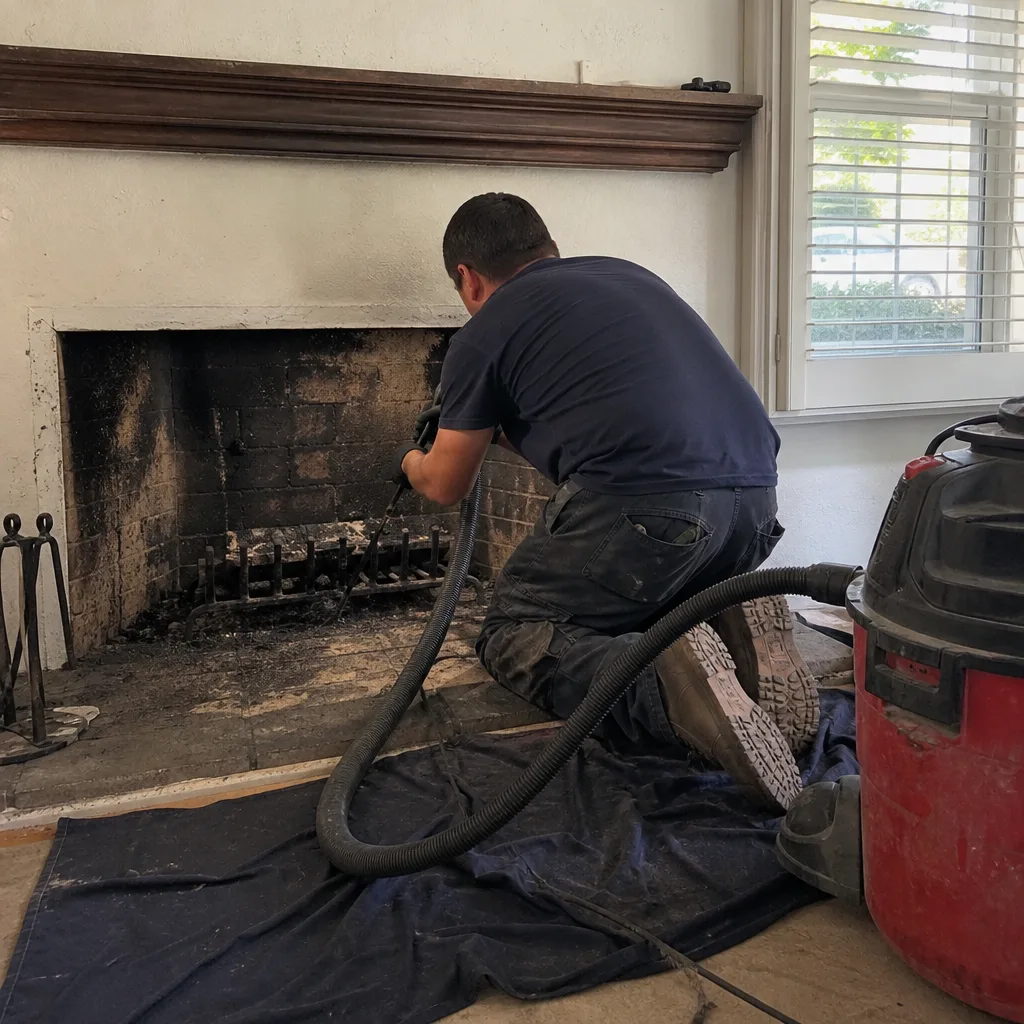 Before
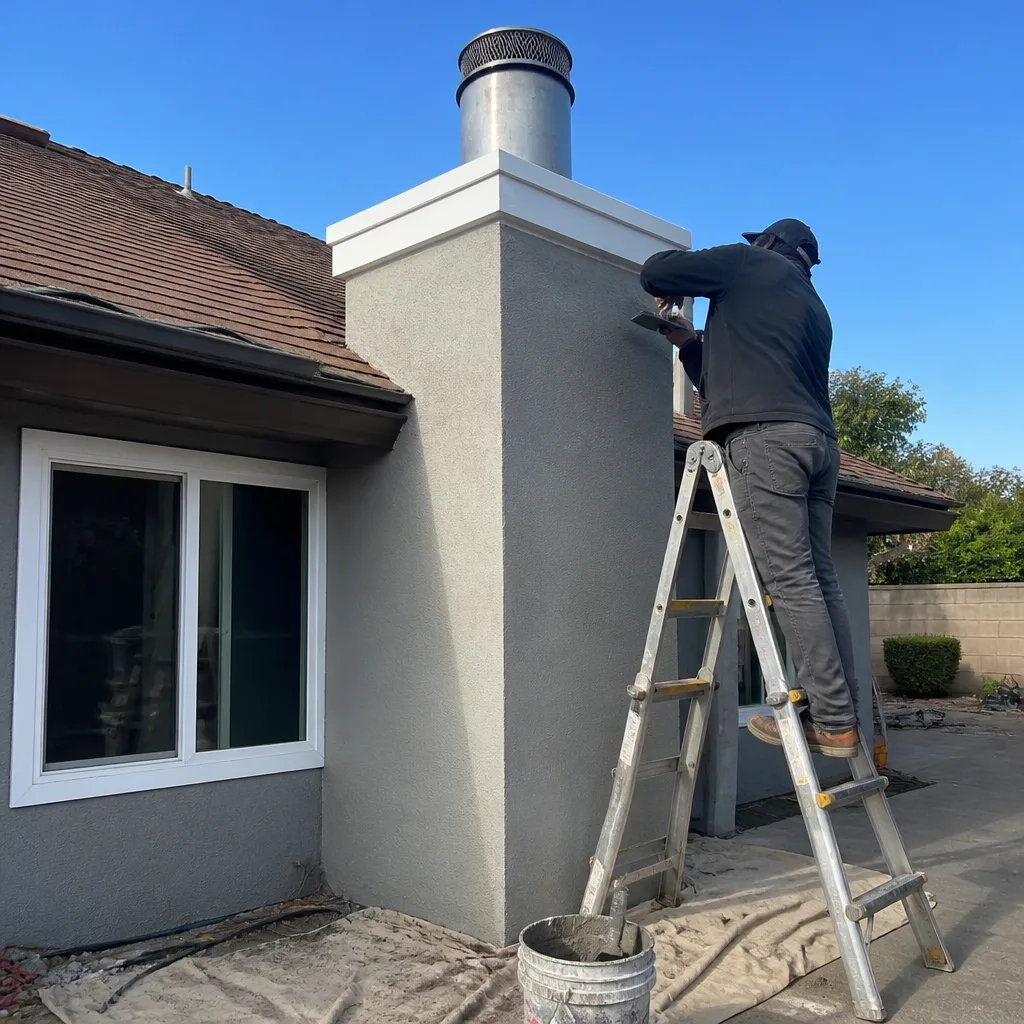 After
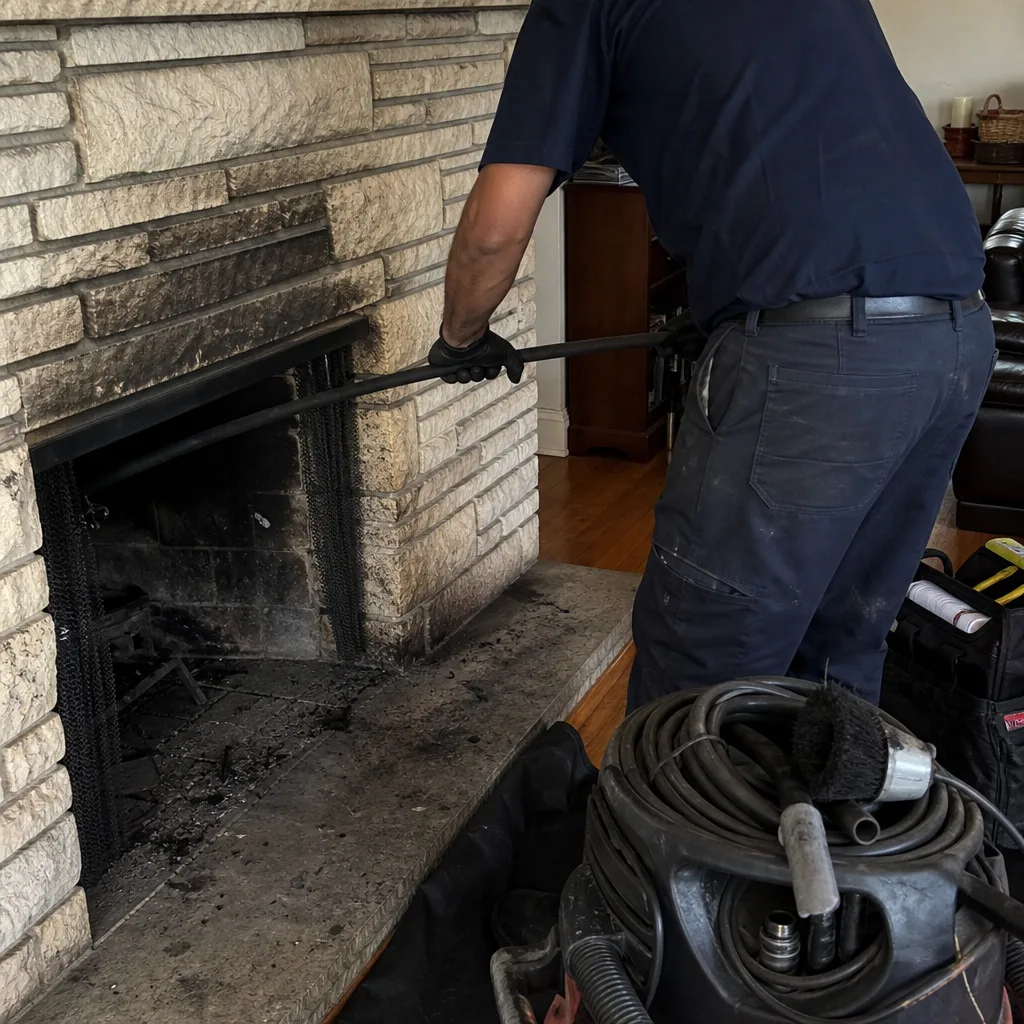 Before
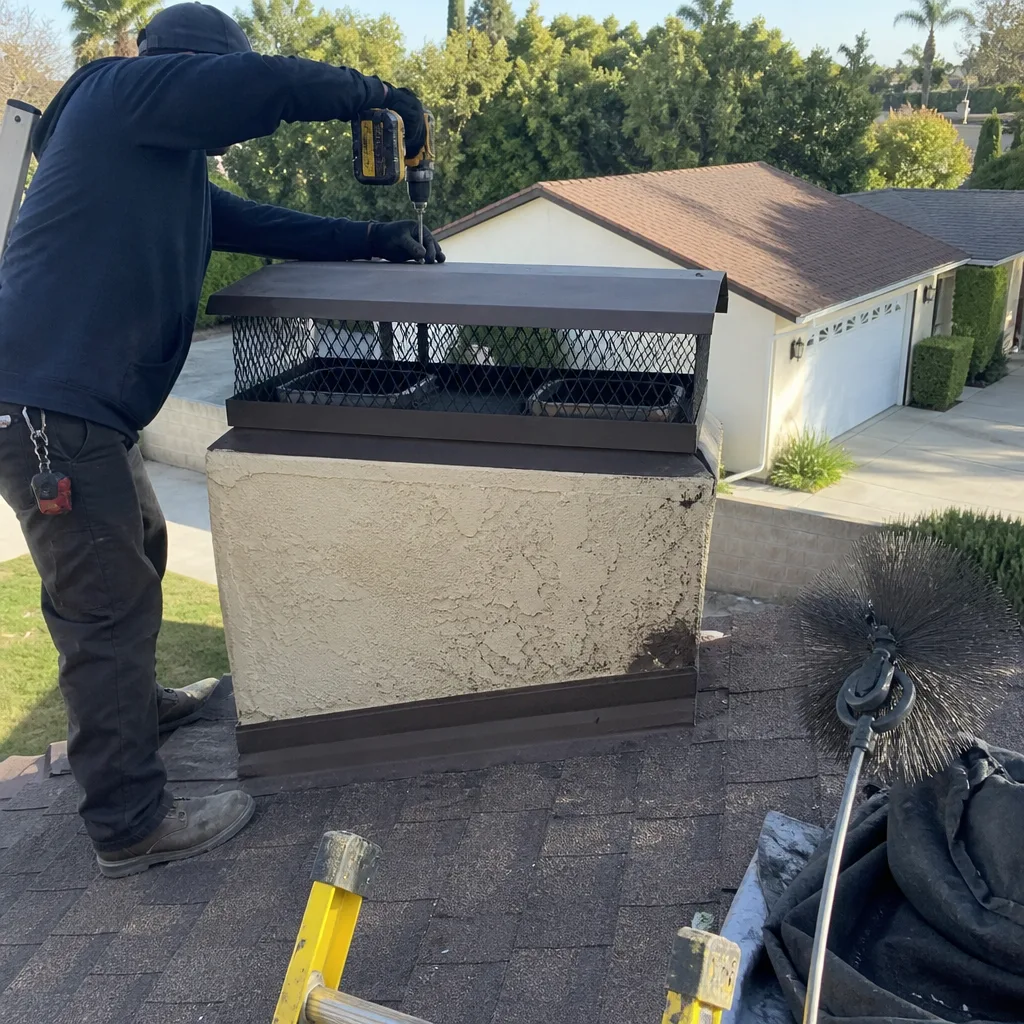 After
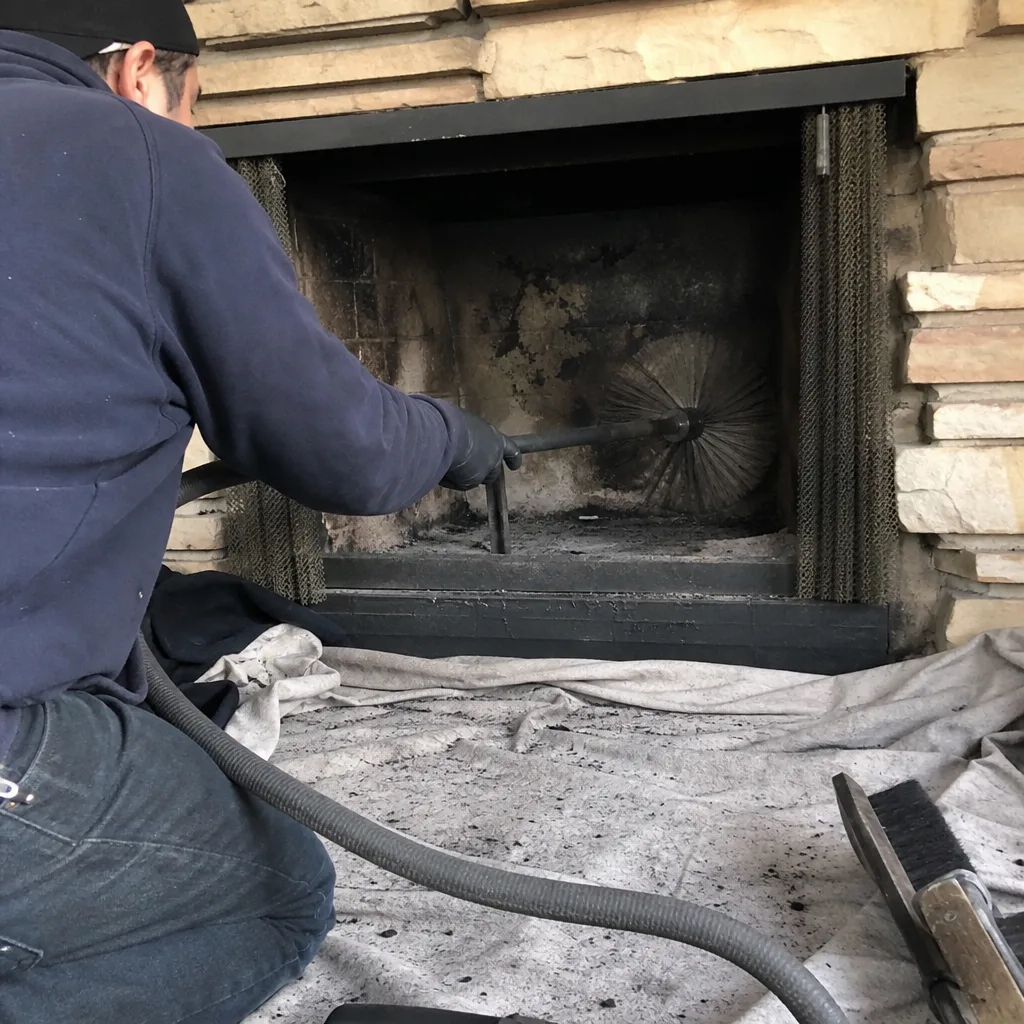 Before
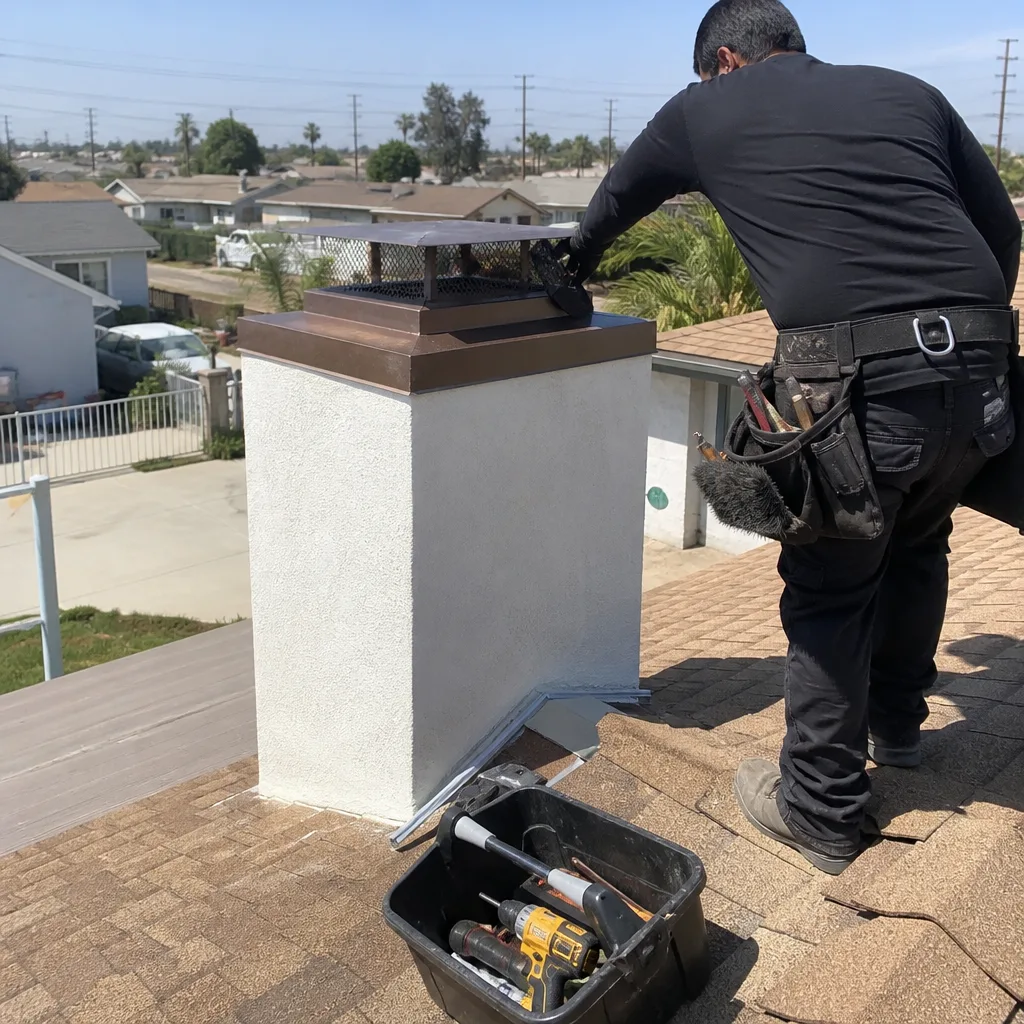 After