
Last updated October 30, 2026
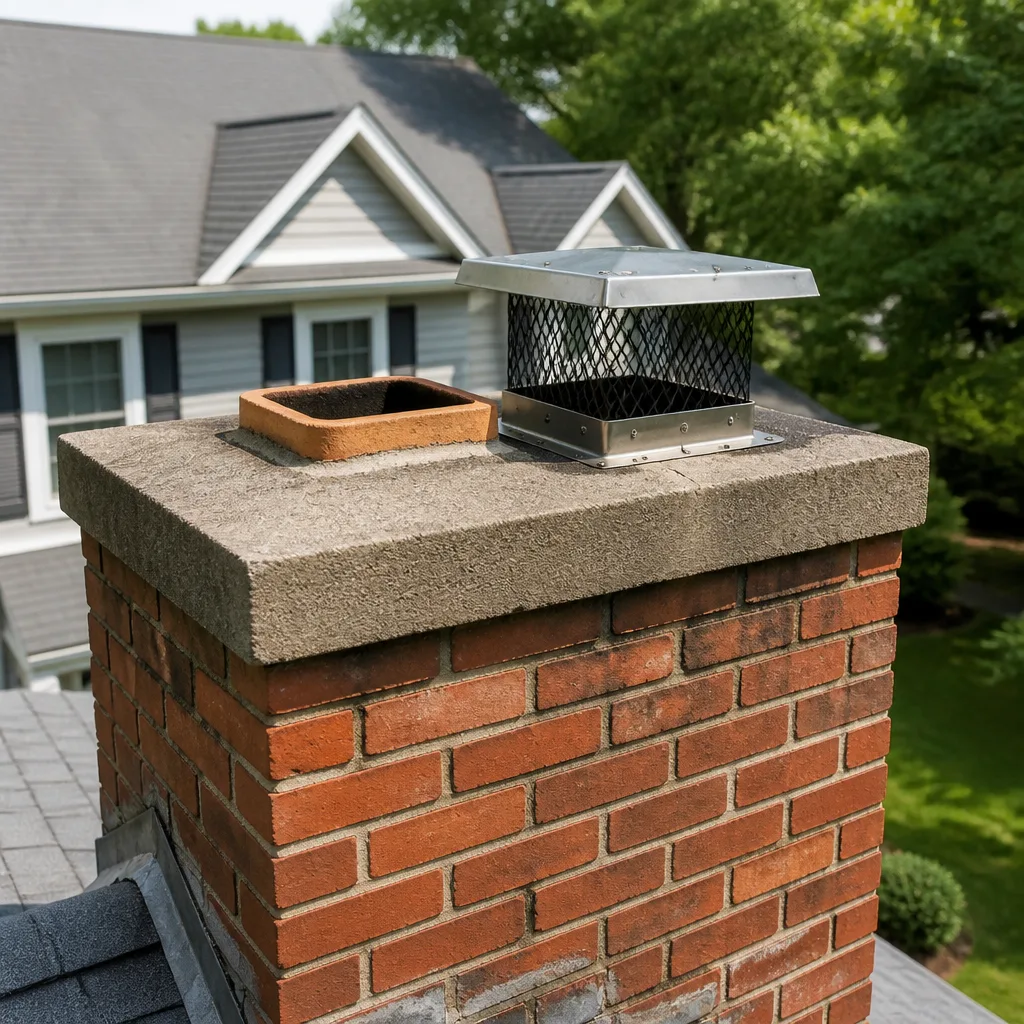 Sweep & inspection
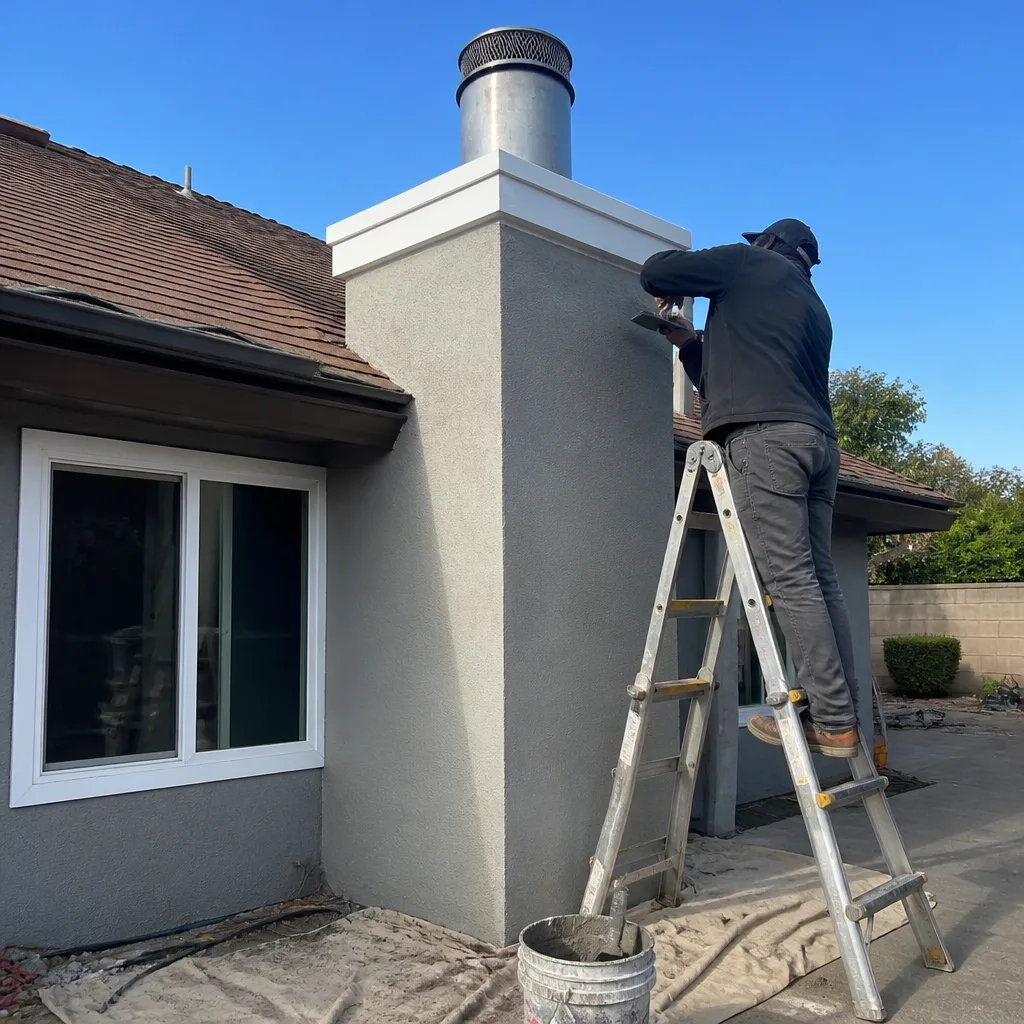
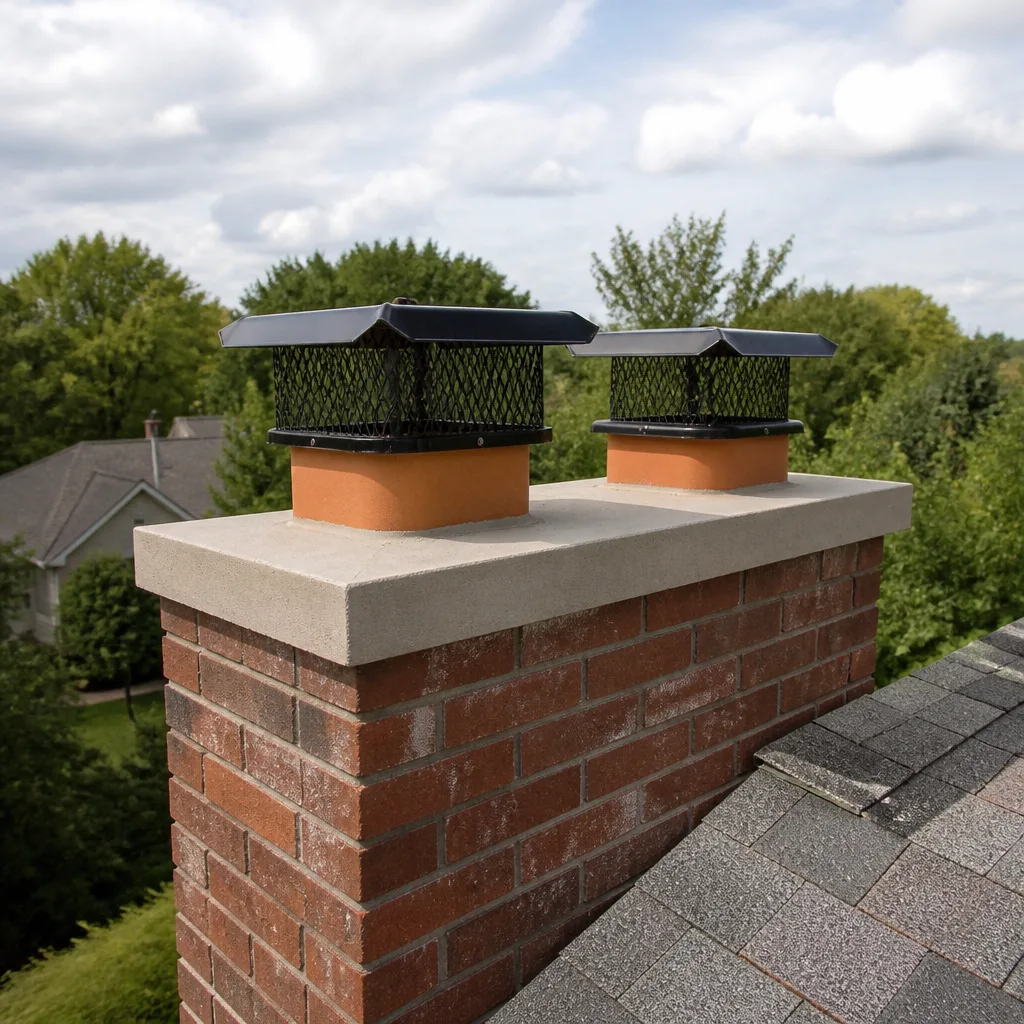 Caps & crowns
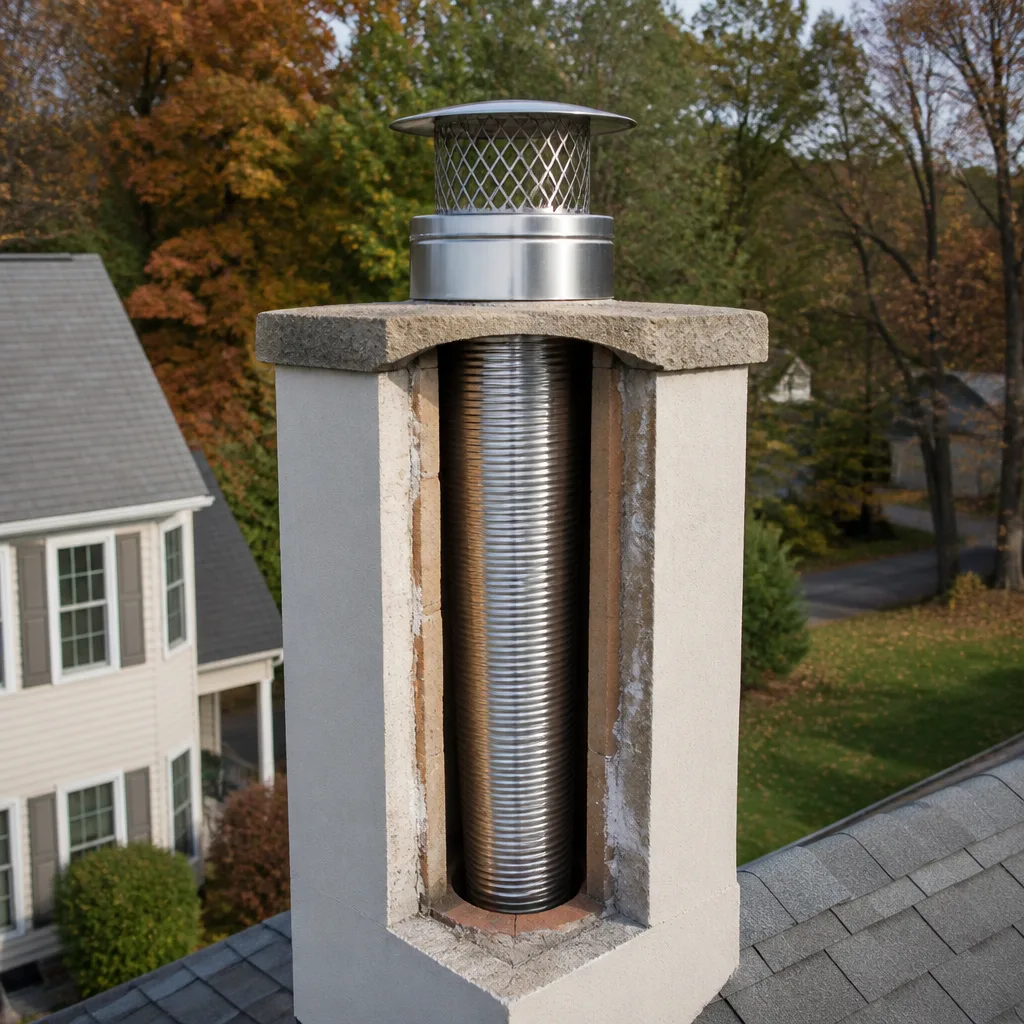 Flue relining
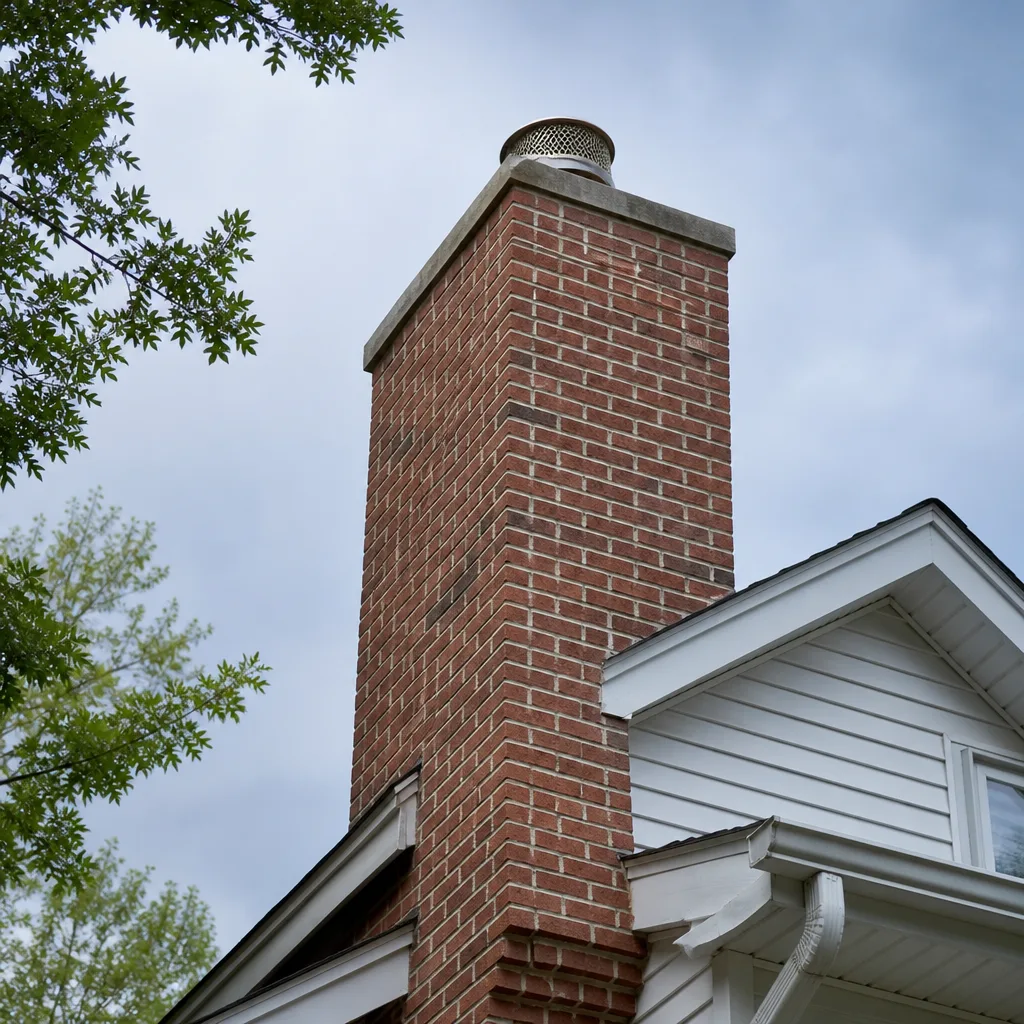 Masonry repair
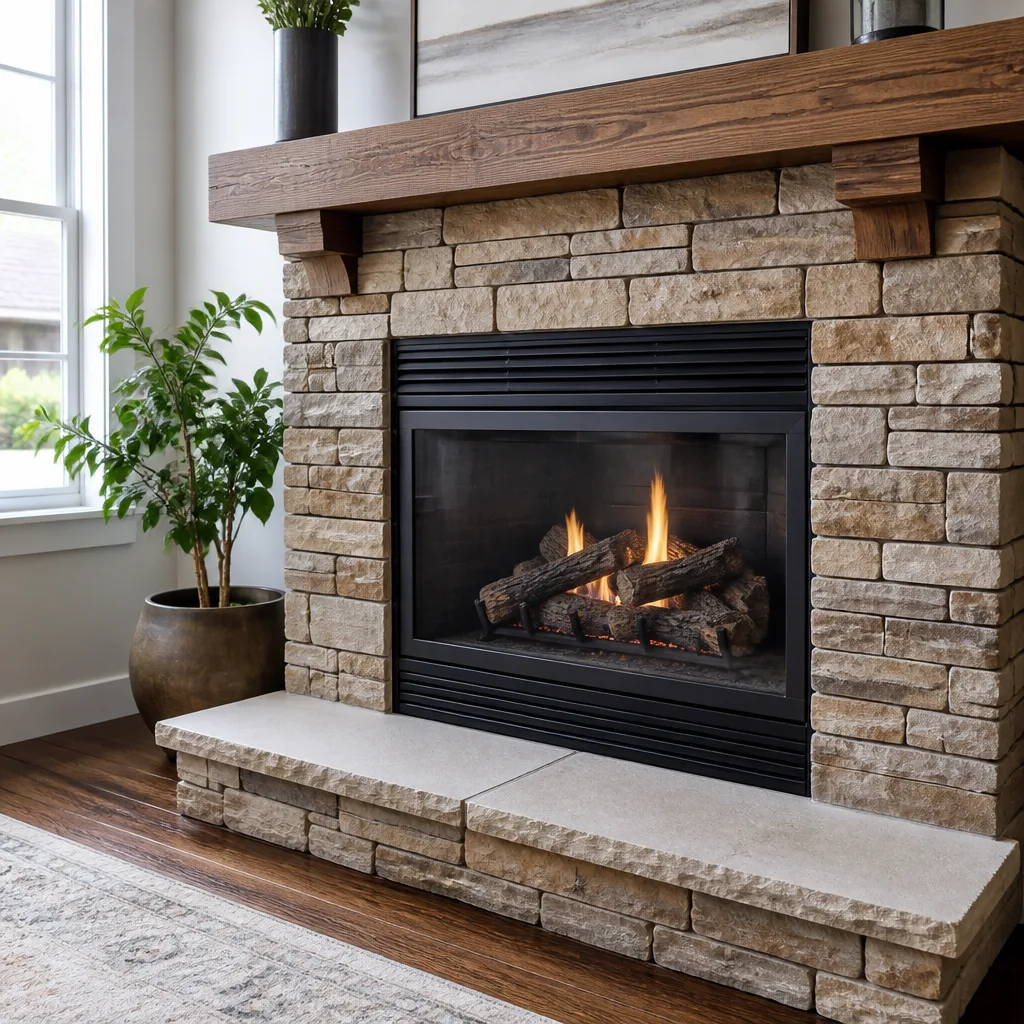 Gas fireplace service
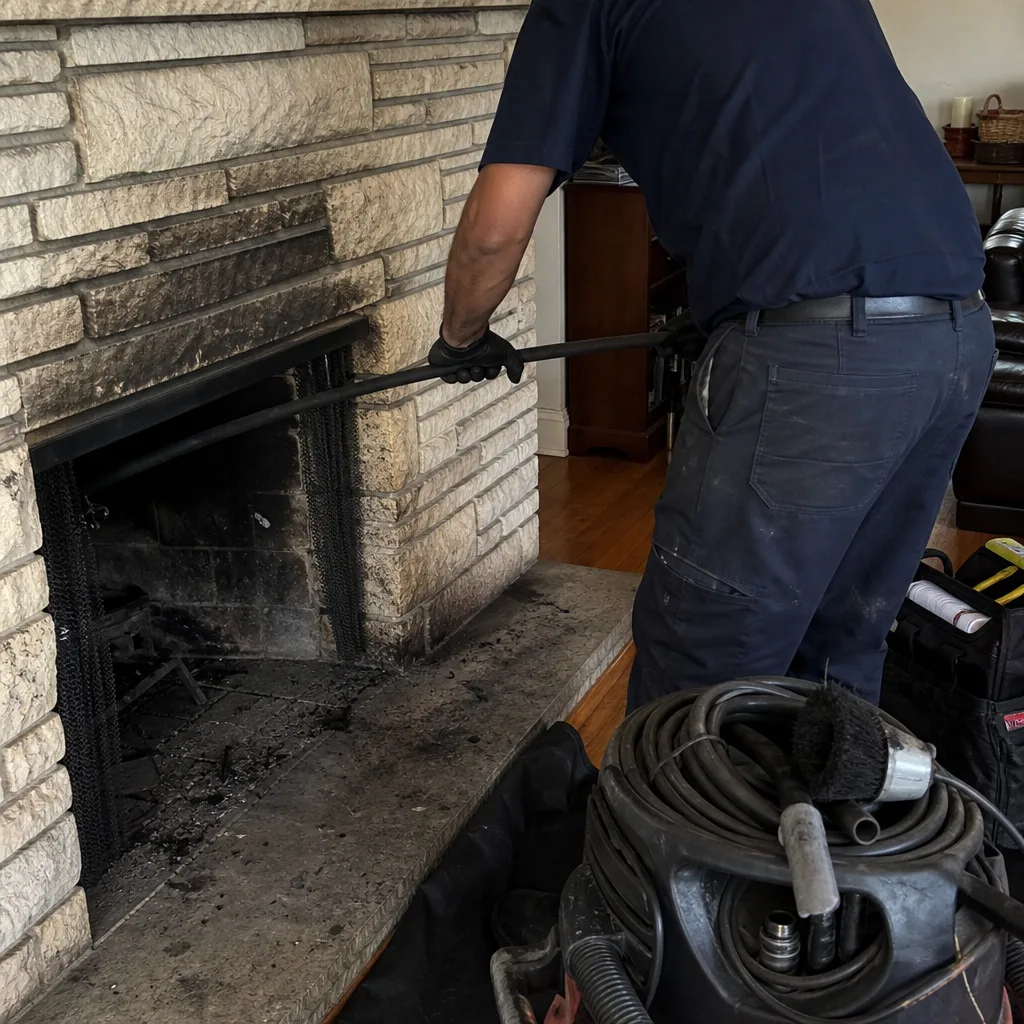
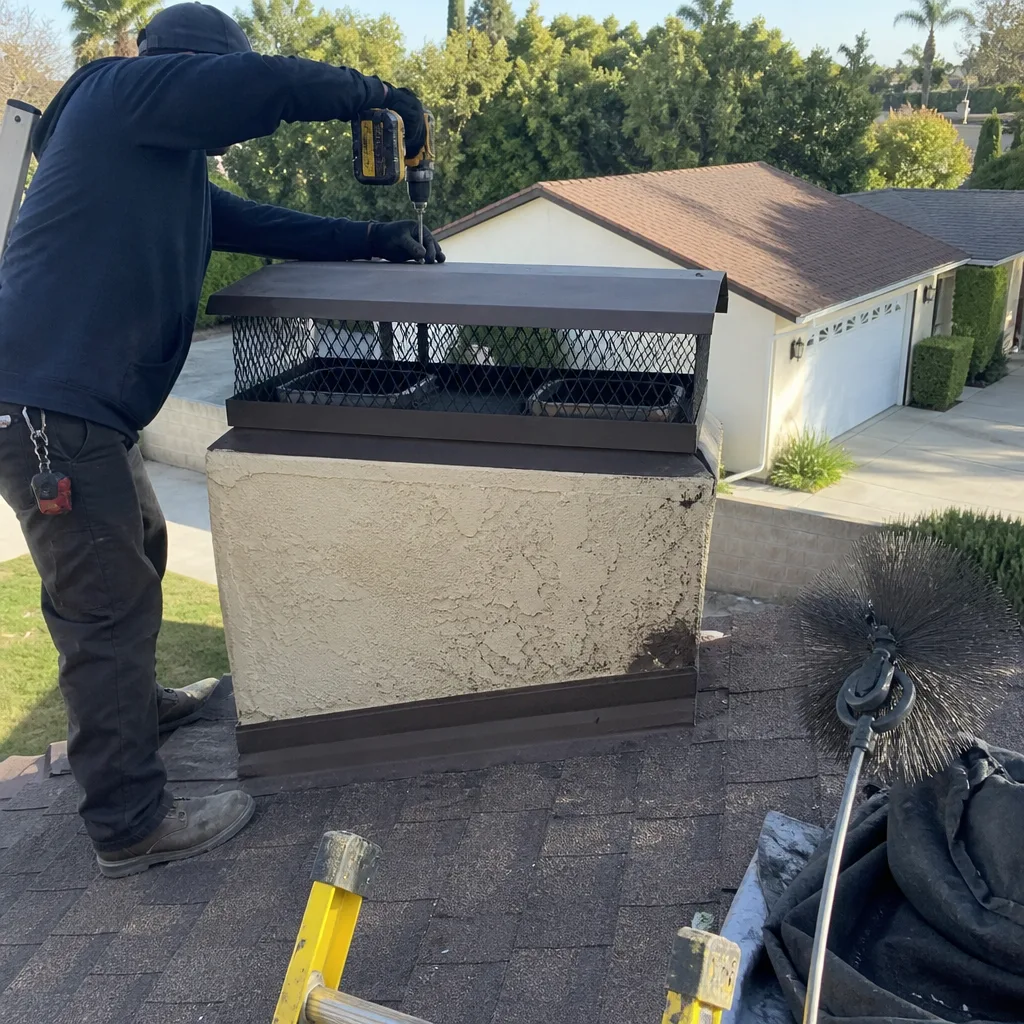
Level 1 sweep and inspection to the NFPA 211 annual standard - flue, crown, cap, and flashing checked and photographed
Chimney sweep logs do not sweep chimneys. They loosen some creosote - which then falls where a brush and vacuum still have to collect it.
The Complete Chimney Sweep Guide for Downey Homeowners
A fireplace in Downey gets used maybe ten, fifteen times a year. Most chimney advice you’ll find online was written for houses in Minnesota or New England, where a masonry chimney can burn through a cord of wood before February. Here’s the thing: a chimney that sits idle for months at a time doesn’t stay cleaner. It just collects a different set of problems, quieter ones that rarely announce themselves until a smoke backup or a damper that won’t budge. This guide is written specifically for Downey homes and covers what actually builds up inside a mostly-idle Southern California chimney, what it means for your sweep schedule, and how to tell what your fireplace needs before you light the first fire of the season. For a deeper dive, see The Complete Guide to Chimney Cleaning in Downey.
Styles & brands we work with
Quick Answer
A chimney sweep in Downey CA costs between $149 and $289 for a standard open-hearth wood-burning fireplace, takes 45 to 90 minutes, and should be scheduled once a year even if you only burned three or four times. The work includes sweeping the flue, removing debris from the smoke shelf and firebox, and a visual inspection of the accessible components. A professional-grade sweep in Downey also checks for the things low-use chimneys are actually known for: animal nests, moisture staining, and early-stage flue tile deterioration.
Table of Contents
- Why Downey Chimneys Struggle in Ways Cold-Climate Guides Never Mention
- What a Chimney Sweep Actually Includes in Downey
- How Often Should You Sweep a Chimney You Barely Use?
- Level 1 vs. Level 2 Inspections: What Those Terms Mean in Practice
- Downey Construction Styles and Which Chimney Parts Wear Fastest
- Wood-Burning, Gas-Log, or Decorative Only: Know What You Have Before You Call
- The Dryer Vent Connection: Why Chimney Fire Safety Extends to the Laundry Room
- When a Sweep Turns Into a Repair: What to Expect, What to Question
- Common Mistakes to Avoid
- When to Call a Professional
- Frequently Asked Questions
- The Bottom Line
Why Downey Chimneys Struggle in Ways Cold-Climate Guides Never Mention
Creosote gets all the attention in chimney literature, and for good reason in places where people burn daily. Creosote forms when wood smoke condenses on a cold flue wall. Burn hot fires every night for five months and that gloss builds up fast: the black, tar-like third-stage creosote that causes chimney fires. Burn a fire twice a month in Downey, and you don’t create enough volume for that heavy accumulation. What you create is something different: a light, powdery first-stage creosote that sits on the flue walls and slowly bakes into a glaze under Southern California sun exposure. Downey summers push surface temperatures on an exterior chimney well past 100°F, and that gentle heat cycles a partial burn-off and re-deposit that leaves a brittle, flaky layer. It’s not as immediately dangerous as a heavy third-stage buildup, but it is harder to see and easier to dismiss.
Then there’s what moves in while you’re not looking. Downey’s residential neighborhoods, especially the mid-century tracts around North Downey and the area bounded by the 105 and 605 freeways, have large mature trees and roof lines that give birds and squirrels easy chimney access. A fireplace that goes unburned from March to November is an inviting chimney cavity. We regularly pull nesting debris, bird droppings, and the occasional squirrel cache out of Downey chimneys in the fall. None of that appears in a generic chimney-sweep guide written for Minneapolis.
Moisture is the third silent issue. Downey sits in a marine-influenced climate zone, which means morning fog, overnight dew cycles, and occasional heavy rain events even in dry years. A chimney cap that’s missing or a crown with hairline cracks lets that moisture into the flue. In a cold climate, freeze-thaw cycles do the visible damage. In Downey, you get slower, quieter deterioration: efflorescence on the firebox walls, spalling on the exterior brick, and flue tiles that start to erode from the inside without ever showing a dramatic crack. A professional Chimney Sweep in Downey is trained to spot the early signs during a routine visit, before a small moisture problem becomes a liner replacement.
What a Chimney Sweep Actually Includes in Downey
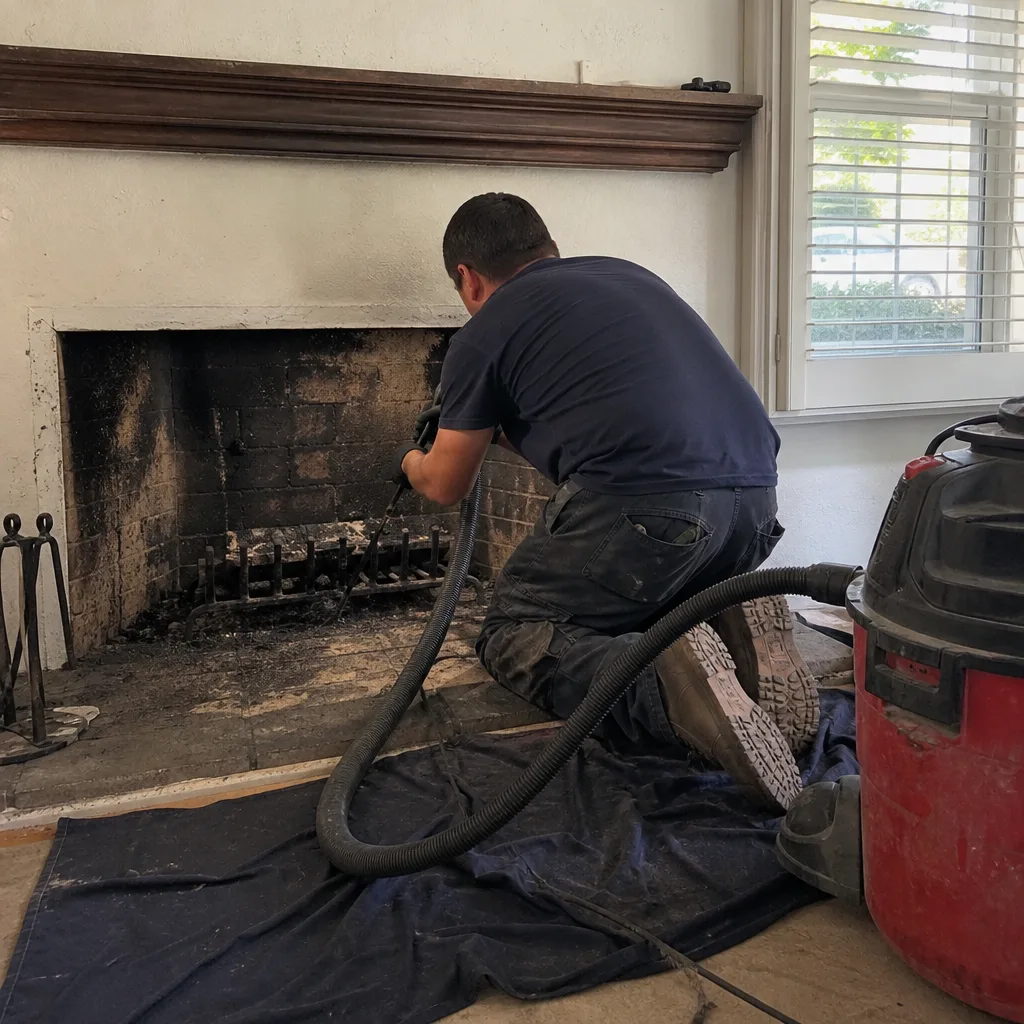
A proper chimney sweep is not a guy with a round brush on a pole jabbing at the flue from the roof. A complete sweep, the kind that gets written into a work order and backed by a real inspection, breaks down into distinct steps. Here’s what a professional service should cover, in the order it should happen:
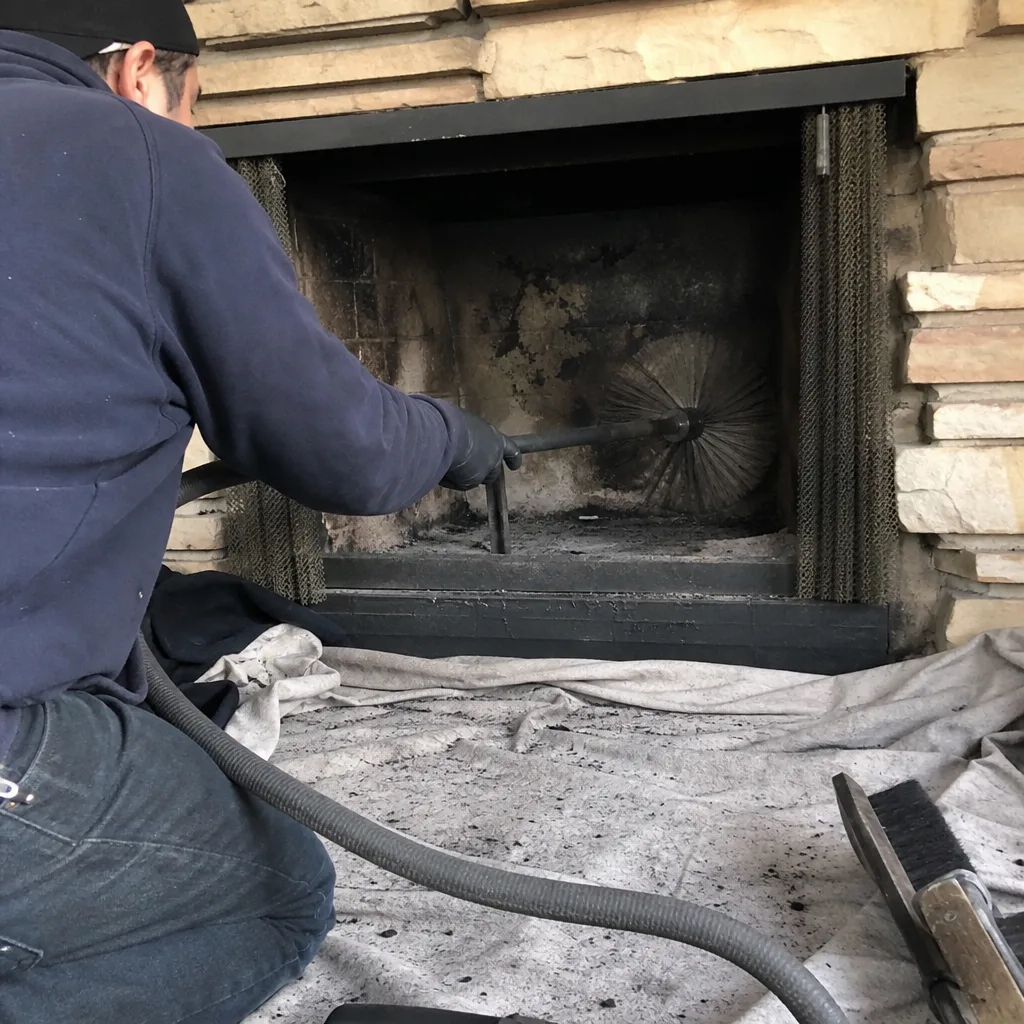
- Site protection and setup. Drop cloths around the fireplace opening, a high-velocity vacuum with a HEPA filter running throughout, and floor protection from the entry door to the firebox.
- Flue sweeping. A properly sized brush matched to your flue diameter, run from either the roof down or the firebox up depending on access and flue type. The goal is full-length contact with the flue walls.
- Smoke shelf and damper cleaning. These spots collect debris that a brush sometimes loosens but doesn’t remove. A good sweep scrapes and vacuums the smoke shelf and checks that the damper opens, closes, and seals.
- Firebox and hearth cleaning. Ash, soot, and any debris removed from the burn area and the hearth surface. This is the visible part, but it’s the least technically important step.
- Visual inspection of accessible components. The flue cap, crown, chase top (if you have a prefab unit), flashing, damper assembly, firebrick, and accessible portions of the flue liner. Any deficiency gets photographed.
- Report and recommendations. A clear summary of what was found, what was cleaned, and what, if anything, needs attention. You should know exactly what was done and what you’re being asked to approve next.
That last step is where we see the biggest gap between professional work and discount sweeps. If a company can’t tell you what your flue looked like before and after cleaning, or won’t show you photos, you’re paying for a brush pass and nothing more. Brownstone Chimney Sweep works with Olympia Chimney and Gelco tools and parts, and our Chimney Sweep services are built to match what a certified technician would document. That matters when you need a paper trail for a home sale or an insurance question.
How Often Should You Sweep a Chimney You Barely Use?
The short answer: once a year, even in Downey, even if you burned four times last winter. The National Fire Protection Association (NFPA 211) recommendation is an annual inspection and sweeping “as needed.” In practice, a low-use chimney in Downey accumulates less soot than one in a cold climate, but it builds up everything else we mentioned: animal activity, moisture effects, and that baked-on light creosote glaze. If you skip a year in Downey, the second year’s debris has a chance to compact and harden on the smoke shelf, which makes the eventual cleaning harder and the pre-burn inspection more alarming.
Here’s the schedule that actually works for Downey homeowners:
- Burn under 15 fires per season: Annual sweep, but the primary value is the inspection portion. The cleaning is often light; the animal and moisture check is the critical part.
- Burn 15 to 50 fires per season: Annual sweep, no debate. This is the range where light creosote reliably builds enough to warrant brushing even if you don’t see it.
- Burn more than 50 fires per season: Weekly winter fires mean mid-season pressure. Sweep annually at minimum, and schedule it in the fall before you start the heavy-use months.
- Never burn, but the chimney is original to a 1950s or 1960s home: Still get an inspection before you light anything. A chimney that hasn’t been used in years can hide cracked flue tiles, missing caps, or a bird nesting in the smoke chamber. None of that is safe to discover with a lit fire.
Seasonal timing matters in Downey. The best month to book is September or October, before everyone else remembers their fireplace exists and you’re competing with three hundred other homeowners for the same two weeks of appointments. We run the same recommendation every year: schedule your sweep in the early fall, even if you don’t plan to burn until Thanksgiving. You can see the full scope of our Brownstone Chimney Sweep home service approach and understand how we think about maintenance timing.
Level 1 vs. Level 2 Inspections: What Those Terms Mean in Practice
Chimney inspections fall into three levels, defined by the National Fire Protection Association. Most Downey homes need a Level 1 almost every year and a Level 2 only under specific circumstances. Here’s what each actually involves, so you’re not paying for something you don’t need or skipping something you do.
Level 1 Inspection
A Level 1 is what’s included in most standard sweep visits. The technician examines the readily accessible portions of the chimney interior and exterior: the flue from the top or bottom, the damper, the firebox, the cap, the crown, and the visible exterior masonry. No specialized tools beyond a flashlight and standard chimney equipment. The answer to “Is your chimney safe to burn this season?” is delivered at Level 1 scope. That’s the right annual inspection for a Downey home with no history of issues and no change in usage.
Level 2 Inspection
A Level 2 goes further. It includes everything in a Level 1, plus interior flue inspection with a video camera, attic and crawl space access checks where relevant, and a more detailed assessment of the clearances and surrounding structure. In a mid-century Downey house, a Level 2 is the right call when:
- You’re buying or selling the home. Real estate transactions in California typically warrant a Level 2.
- A change in fuel type has occurred, like converting from wood to a gas log set.
- The home has survived an earthquake you actually felt inside. Downey sits near the Newport-Inglewood fault zone, and older masonry chimneys take lateral movement poorly.
- You’ve had a chimney fire, even a small one, or a lightning strike that was close enough to feel.
- You’re planning to burn regularly in a chimney that has sat unused for more than three years.
A real video inspection shows you the interior flue wall in detail. Hairline cracks, spalled tile faces, and partially collapsed tile sections become visible in a way a flashlight never reveals. If a company recommends a liner replacement or a HeatShield resurfacing project, that recommendation should come with footage you can watch. We’ve never asked a Downey homeowner to approve a liner decision based on a verbal description alone.
Downey Construction Styles and Which Chimney Parts Wear Fastest
Downey’s housing stock has a specific character. The city grew in two big waves: the post-war tract development of the late 1940s and 1950s, and the ranch and split-level expansion of the 1960s and early 1970s. That means most chimneys in Downey fall into one of three construction types, and each has its own weak points.
Traditional Masonry Fireplaces (1950s and 1960s era)
These are the brick-and-mortar chimneys with clay flue tiles, built on-site by masons. Common in the neighborhoods around Downey’s original streetcar suburbs and the larger lots near the golf course. The most vulnerable components in a Downey climate are the crown and the top flue tile. A poorly sloped crown holds water in the summer-morning dew cycle and cracks within a couple of decades. The top flue tile expands and contracts with the daily temperature swing between warm afternoons and cool evenings. Once that top tile loses its glazing, the flue is open to deterioration from the inside down.
Prefab / Factory-Built Fireplaces (1970s onward)
Homes built in Downey’s later expansion phases often have metal-constructed fireplaces with a chase enclosure above the roof. These units have a specific lifespan, typically 20 to 30 years for the firebox and flue pipe. The weak points are the chase top (the metal cap that covers the framed enclosure), the termination cap, and the galvanized chimney pipe itself. A rusted chase top lets water run down the outside of the flue pipe and into the framing around the fireplace. This is one of the most common we-see-it-came-from-the-roof damage patterns in South Downey homes.
Decorative / Masonry Veneer Chimneys
Some Downey homes built in the 1960s and 1970s have a masonry-look chimney that’s actually a wood-framed chase with a veneer of brick or stone facing. These look solid from the street but hide wood framing inside. The critical component is the flue liner, which should be a listed product rated for the appliance it serves. If the home has been through a renovation and the fireplace was never brought up to current code, a decorative chimney can be a serious fire hazard hiding behind good looks.
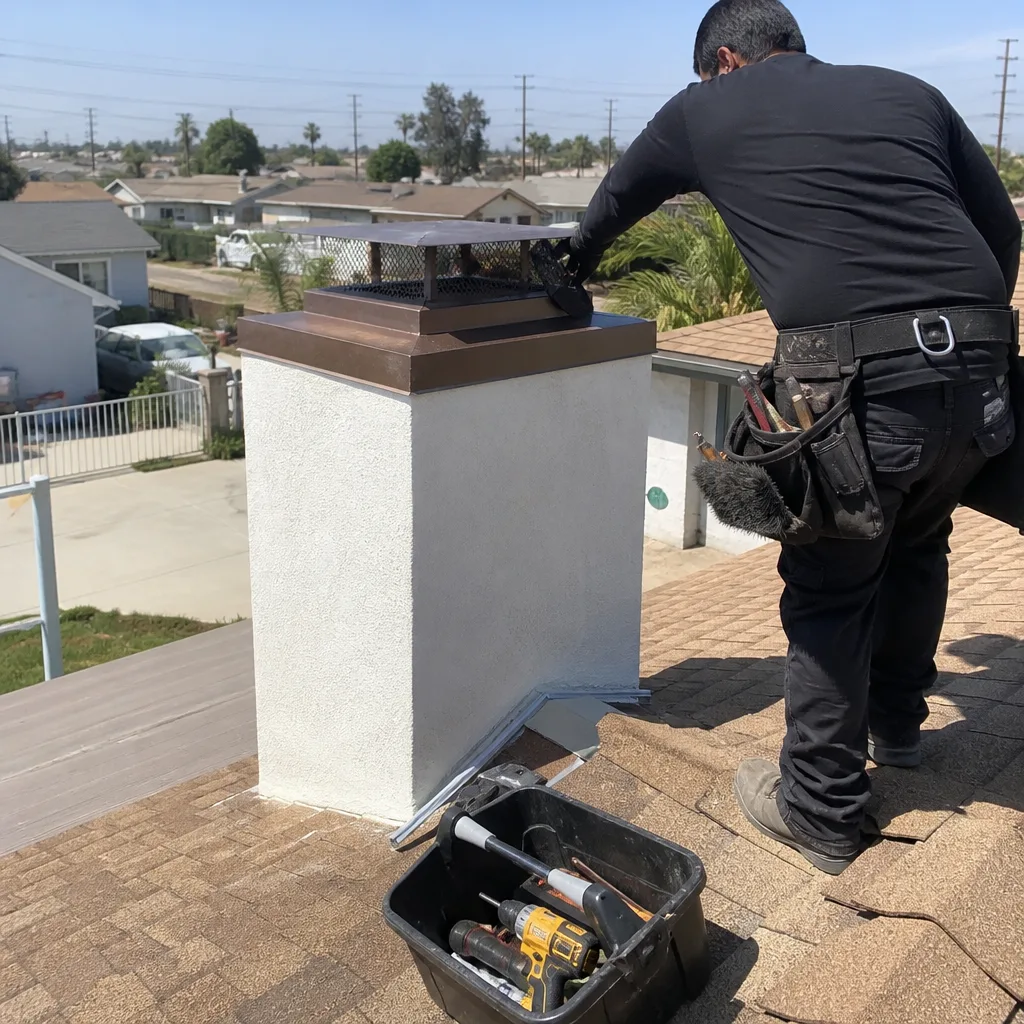
Across all three types, the single fastest-wearing part in Downey’s climate is the cap and crown assembly at the top. It takes the full force of the sun, the dew cycle, the occasional heavy rain, and the probing from birds looking for a nesting cavity. We recommend checking your chimney cap at least once a year, even if you never burn a fire. A chimney sweep will typically photograph the cap and crown during the visit and include those photos in the report. You can explore the exact scope of a professional Chimney Sweep in Downey and see how each component is checked.
Wood-Burning, Gas-Log, or Decorative Only: Know What You Have Before You Call
Here’s a question that stumps more Downey homeowners than it should: “What kind of fireplace do I actually have?” It sounds simple, but a gas fireplace with a log set looks a lot like a wood-burning fireplace from across the room. The sweep protocol differs significantly for each, and if you book the wrong service you’ll either pay for unnecessary work or skip necessary work.
Wood-Burning Fireplace
The firebox has a grate for holding logs, a damper that opens to allow smoke to exit, and visible ash or charring on the firebrick. Wood-burning fireplaces in Downey require an annual sweep, a working spark arrestor on the cap, and a flue that’s sized appropriately for the firebox opening. Those are the ones where creosote actually accumulates and where a chimney fire is a real risk if the flue is neglected.
Gas Log Set
A gas log set is typically a set of ceramic logs sitting on a burner pan or a bed of sand or vermiculite, connected to a gas line. The chimney still needs a sweep and inspection, because the flue still vents combustion byproducts and still needs a clear path. But the soot profile is different: it’s lighter, dustier, and sometimes contains no creosote at all. The critical check on a gas fireplace is the damper position. A damper that’s permanently sealed shut (which some gas log installations require) changes the venting equation entirely. If you’re unsure whether your damper was clamped open, a professional can confirm it during a routine visit.
Decorative Only
This is a prefabricated mantle with a firebox that’s either non-functional or electric. A decorative fireplace has no flue, no venting path, and no need for a sweep. But it can still hide a deteriorating exterior chimney or a wood-framed chase that’s been compromised by moisture. The inspection question for a decorative fireplace isn’t about creosote; it’s about whether the surrounding chase and framing are sound. That’s a structural check, not a cleaning, and it’s worth doing every few years in a home of Downey’s vintage.
If you’re not sure what you have, start by looking at the firebox. No grate, no ash, no burn marks? You’re likely gas or decorative. A gas line stub visible under the firebox floor means gas. Unsure? A chimney professional can tell you in under five minutes of looking at the setup. Booking the wrong type of service in Downey, where chimney work is already a low-frequency decision, just wastes a visit for everyone.
The Dryer Vent Connection: Why Chimney Fire Safety Extends to the Laundry Room
Here’s a fact that doesn’t fit the chimney guide formula: more house fires start in dryer vents than in fireplaces in Southern California. A lot more. The U.S. Fire Administration tracks thousands of dryer fires annually, and the leading cause is accumulated lint in the exhaust duct. Dryer lint is essentially microfiber kindling. Packed into a clogged vent run, it blocks airflow, overheats, and ignites. In a Downey home, where the laundry room is often in a garage, a hallway closet, or a converted interior space, a dryer vent can run up to twenty or twenty-five feet through walls and crawl spaces. Every foot of that run is a potential lint trap.
The connection to chimney sweeping is structural. The skills and tools are the same: rotary brush systems, high-velocity vacuum collection, and an understanding of how exhaust gases and particles move through a vertical or horizontal flue. Brownstone Chimney Sweep treats Dryer Vent Cleaning in Downey as a core service line, not an afterthought. The same people who inspect fireplaces for creosote and clearance issues are the ones who inspect dryer vents for lint accumulation, crushed flex pipe, and improper termination. That’s rare in this industry. Most chimney companies won’t touch a dryer vent. Most dryer vent companies won’t look at a fireplace. The result is that fire-safety gaps in a home get treated as completely separate problems, handled by two different vendors on two different schedules, when they’re really the same problem: an exhaust pathway that hasn’t been cleaned.
If you use your dryer daily and your fireplace quarterly, your dryer vent is the more pressing fire-safety priority in your Downey home. We schedule both services together for exactly that reason. Fire safety starts at the flue, and it ends at the dryer vent.
When a Sweep Turns Into a Repair: What to Expect, What to Question
Sometimes a sweep reveals a problem that can’t be brushed away. Cracked flue tiles, a rusted-out damper, a crown that’s missing chunks, a chase top that’s leaking. In those cases, the right next step is a repair recommendation with visible evidence. The wrong next step is a verbal recommendation to “replace the whole liner” with no camera footage and no explanation.
Here’s what straight talk about chimney repairs actually looks like from a specialist who does the work:
- Cracked or spalled flue tiles. Not every cracked tile means a full liner replacement. In many cases, a ceramic resurfacing product like HeatShield can restore the interior flue surface to a smooth, insulated, code-compliant condition without tearing out the existing liner. The repair is poured or applied in place and cures to a hard, fireproof surface. It’s significantly less invasive than a full demolition and rebuild.
- Missing or undersized liner. If the flue never had a proper liner, or the existing one is undersized for the appliance it serves, a DuraFlex stainless steel liner system may be the correct solution. A DuraFlex liner is sized to the exact BTU and fuel type of the appliance, whether wood, gas, or oil. It’s not a one-size-fits-all tube. It’s designed, measured, and installed to match the system it serves.
- Deteriorated crown or chase top. A cracked chimney crown in a Downey home might need a flow-through repair with a proper crown coat. A rusted chase top on a prefab chimney needs replacement with a proper metal top that sheds water away from the flue pipe. This is basic chimney anatomy, not a rebuild of the whole structure.
- Damper that won’t seal. A damper that’s frozen open lets conditioned air escape year-round. A damper that’s stuck closed makes your fireplace unsafe to burn. Some dampers can be repaired; many old throat dampers are replaced with a top-mount damper that seals at the flue opening, which actually works better in Downey’s climate because it stops air movement through the full flue height.
The key is that both cleaning and repair come from the same company. When a sweep finds a deteriorating flue tile on Tuesday, the same company can schedule the HeatShield application or DuraFlex liner install without a second contractor, a second diagnostic fee, or a second opinion. That’s the practical advantage of a company that offers Chimney Repair in Downey alongside sweeping. You don’t have to translate between two different vendors. The person who looked at the flue on camera is the person who quotes and performs the repair.
Common Mistakes to Avoid
- Assuming a barely-used fireplace doesn’t need service. Idle chimneys in Downey collect animal debris, moisture, and light creosote glaze that sits unnoticed until smoke backs up or a fire won’t draw. Annual inspection still applies.
- Burning those first few fires of the season without checking the flue. A bird nest in the smoke shelf from a spring nesting season can fully block or seriously restrict a flue. Light the fire without checking and you’ll get a smoke-filled living room or worse.
- Paying for a “sweep” that doesn’t include an inspection. A brush through the flue with no report, no photos, and no component check is not a sweep. It’s a partial cleaning. You’re missing the part that actually prevents chimney fires.
- Using the fireplace to burn trash, wrapping paper, or construction scraps. These materials burn unpredictably and at extreme temperatures. Burning wrapping paper in a Downey fireplace every Christmas is a common way to send embers up a flue that hasn’t been inspected since the previous winter.
- Ignoring a dryer that takes two cycles to dry a normal load. That’s a lint-restriction symptom, not a dryer problem. The vent is clogged. In many cases, the vent clean is a one-visit fix that also drops your dryer’s energy use and fire risk.
- Deferring a cracked chimney crown because “it doesn’t rain that much in Downey.” Moisture intrusion here is slow and persistent, driven by dew cycles and fog as much as rain. Letting a crown crack sit for three years is how a flue tile starts to erode invisibly.
- Choosing the cheapest chimney sweep quote without asking what’s included. A $79 special usually covers the brush pass and nothing else. You’re paying for clean, but you’re not paying for the safety assessment that actually matters in a low-use Southern California chimney.
When to Call a Professional
Call before the first burn of the season if you haven’t had a sweep in the last twelve months. Call immediately if you smell a smoky or musty odor coming from the fireplace when it’s not in use, especially after a rain. Call if you see moisture staining on the ceiling or wall adjacent to the chimney chase. Call if your fire produces smoke that lingers in the room or pours back into the house. Call if you notice loose or crumbling brick on the chimney exterior, or a chimney cap that’s tilted, rusted through, or missing. Call if your dryer has started taking noticeably longer to dry a normal-sized load. Call if you’ve bought a home in Downey and the previous owner can’t tell you when the chimney was last swept or inspected. Brownstone Chimney Sweep offers free estimates in Downey. Call (866) 253-8489 to schedule a sweep, an inspection, or a dryer vent cleaning. We’ll tell you what you need and show you exactly what we found.
Frequently Asked Questions
A standard chimney sweep in Downey for a wood-burning fireplace typically costs between $149 and $289, with prefab metal chimneys often falling on the lower end and large masonry fireplaces with heavy creosote or animal debris on the higher end. The price should include the full flue sweep, firebox and smoke shelf cleaning, and a Level 1 inspection. Additional services like a video inspection, chimney cap replacement, or crown repair are quoted separately. Call (866) 253-8489 for an exact quote based on your fireplace type and condition.
A chimney in Southern California should be swept once a year, even if you only burn a few fires per season. The lower burn frequency in Downey means less creosote volume, but it also means more animal activity, moisture exposure, and passive deterioration that need an annual inspection to catch. The NFPA recommends annual inspection and sweeping as needed, and in practice that means every fall before the burning season starts.
Skipping a sweep for several years in Downey allows nesting debris, light creosote, and the early stages of flue tile deterioration to compound without anyone looking at them. The most common outcomes are smoke backup when you do light a fire, a damper that won’t operate because debris has accumulated on the smoke shelf, and moisture damage that has progressed far enough to require repair instead of a simple clean. In a gas fireplace, skipping service can allow the flue to become restricted without any visible smoke to warn you.
You may need a liner if the original clay flue tiles are cracked, spalled, or missing sections, or if the chimney was originally built without a proper liner, which happens in some mid-century Downey homes. But not every old chimney needs a full liner replacement. Many can be restored with a ceramic resurfacing system like HeatShield, which is far less invasive. If a liner replacement is appropriate, a properly sized DuraFlex stainless steel system is one option. The only way to know is with a video inspection that shows the actual flue condition. Call (866) 253-8489 to schedule one.
The sweeping process for a gas fireplace is different because the byproducts are different. Gas combustion produces a light, dusty soot rather than creosote, so the flue often needs less aggressive brushing. But the flue still needs to be clear, the damper position still needs to be verified, and the venting system still needs an annual inspection. A gas fireplace in Downey that hasn’t been checked in years can have a blocked or partially blocked flue without showing any of the smoky warning signs of a wood-burning system.
You can buy a chimney brush kit and a dryer vent brush at a home improvement store, but neither gives you the inspection component that’s the real value of a professional service. See DIY vs Professional Chimney Cleaning: The Downey Homeowner’s Decision Guide for a full comparison. A chimney sweep trained to NFPA standards sees the flue conditions, the damper, the cap, and the clearing with a different set of eyes than a homeowner with a drill brush. And for dryer vents, the long runs typical in Downey homes often need professional equipment because a hand brush can’t reach the full length. The danger, especially with chimney work, is not knowing what you didn’t see. Call (866) 253-8489 and we’ll show you the full picture.
The Bottom Line
Your Downey chimney doesn’t need to be treated like a Minnesota chimney, but it needs to be treated with the same annual discipline. The risks are different: animal intrusion instead of heavy creosote, moisture erosion instead of freeze damage, and slow deterioration that nobody notices because the fireplace only gets used a handful of times each year. A professional sweep in Downey is both a cleaning and an inspection, and the inspection is what keeps a mostly-idle chimney safe. Pair that with a dryer vent cleaning and you’ve covered the two most commonly neglected fire-safety pathways in a Southern California home. For more guides & resources, visit our blog. Book in the fall, before the rush, and know what you’re working with before the first fire of the season. Call (866) 253-8489 for a free estimate. We’ll inspect it, clean it, and tell you straight what you actually need.
Written by the team at Brownstone Chimney Sweep, serving Downey since 2012.
See the difference
 Before
 After
 Before
 After
 Before
 After