Last updated October 30, 2026
 Sweep & inspection
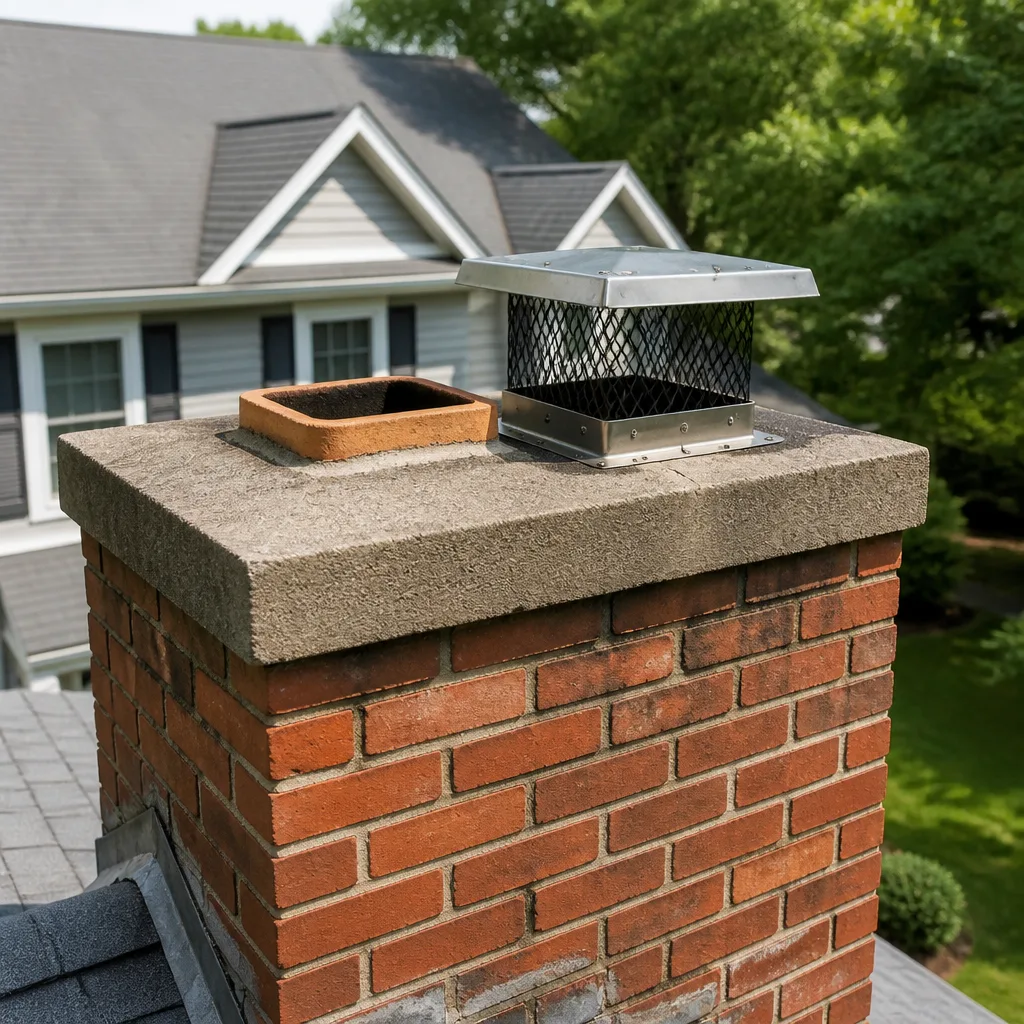
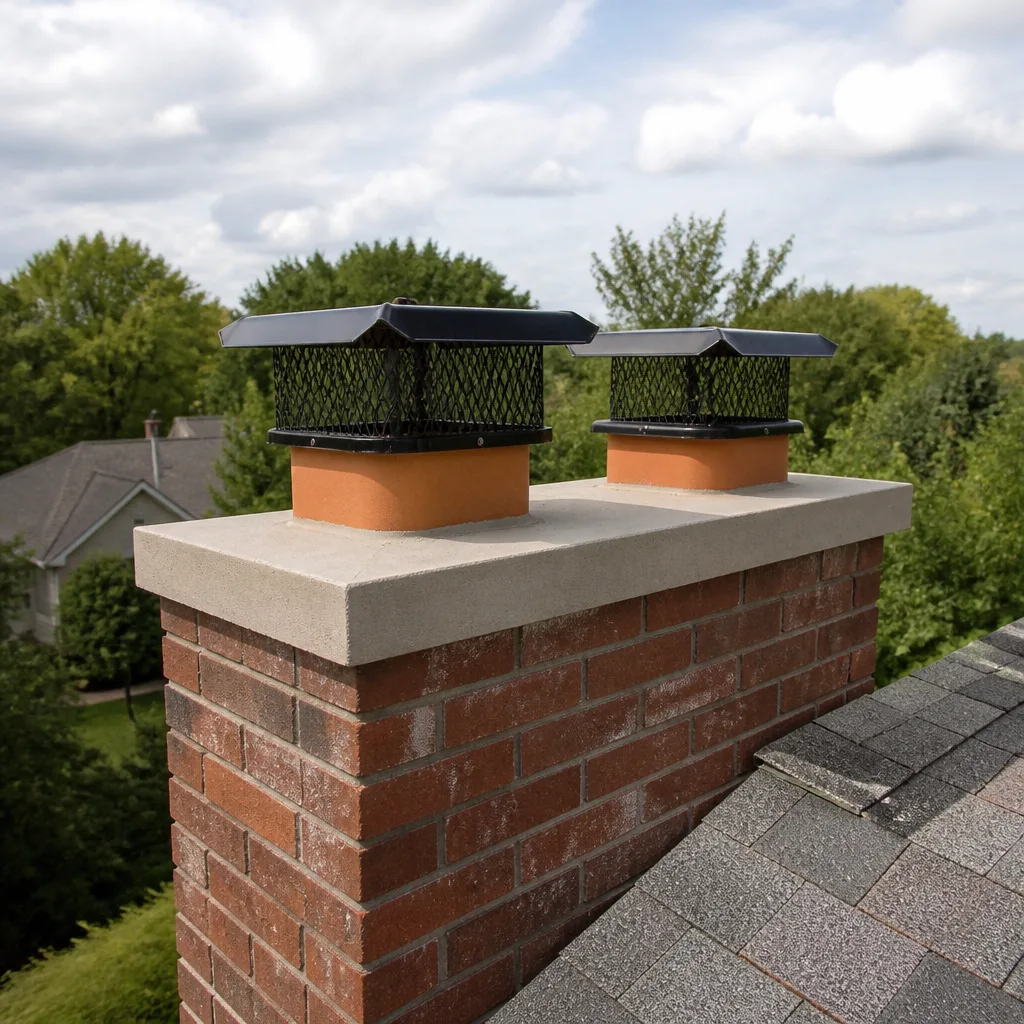 Caps & crowns
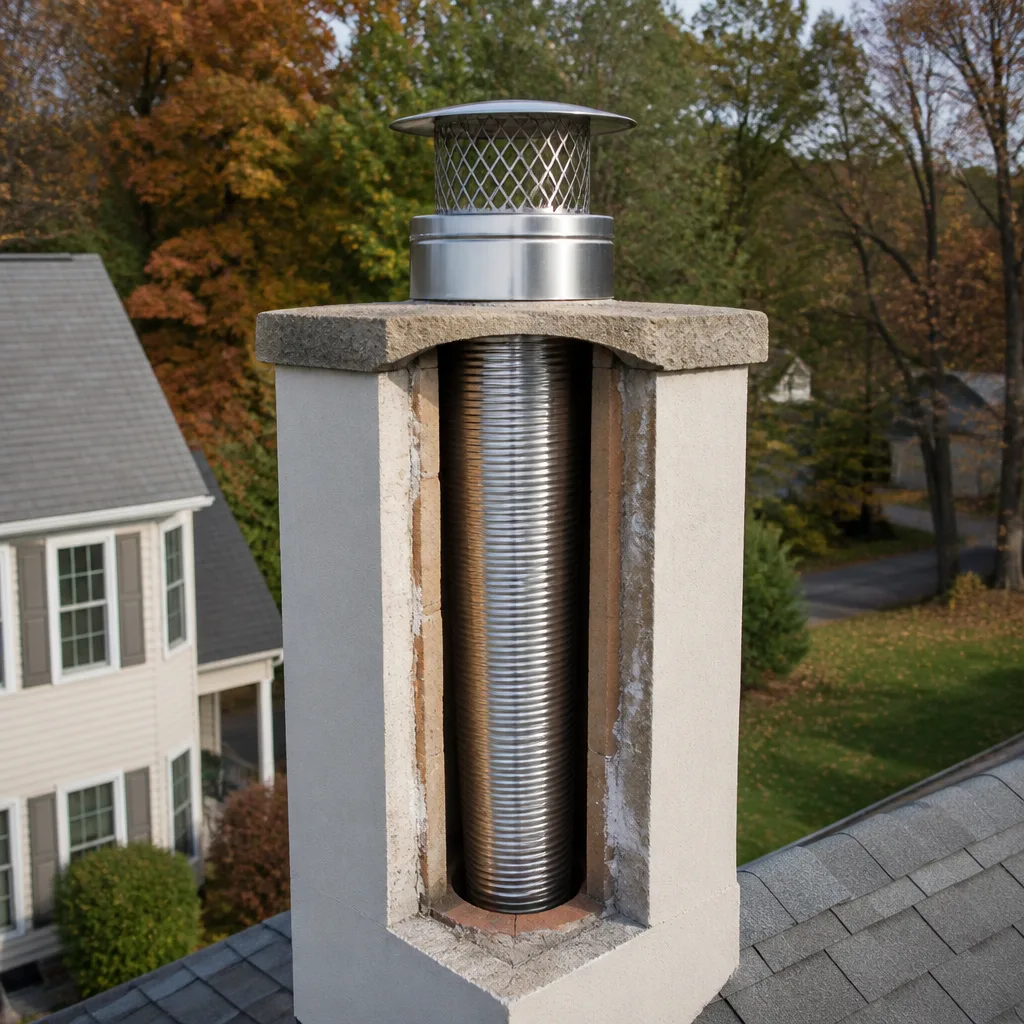 Flue relining
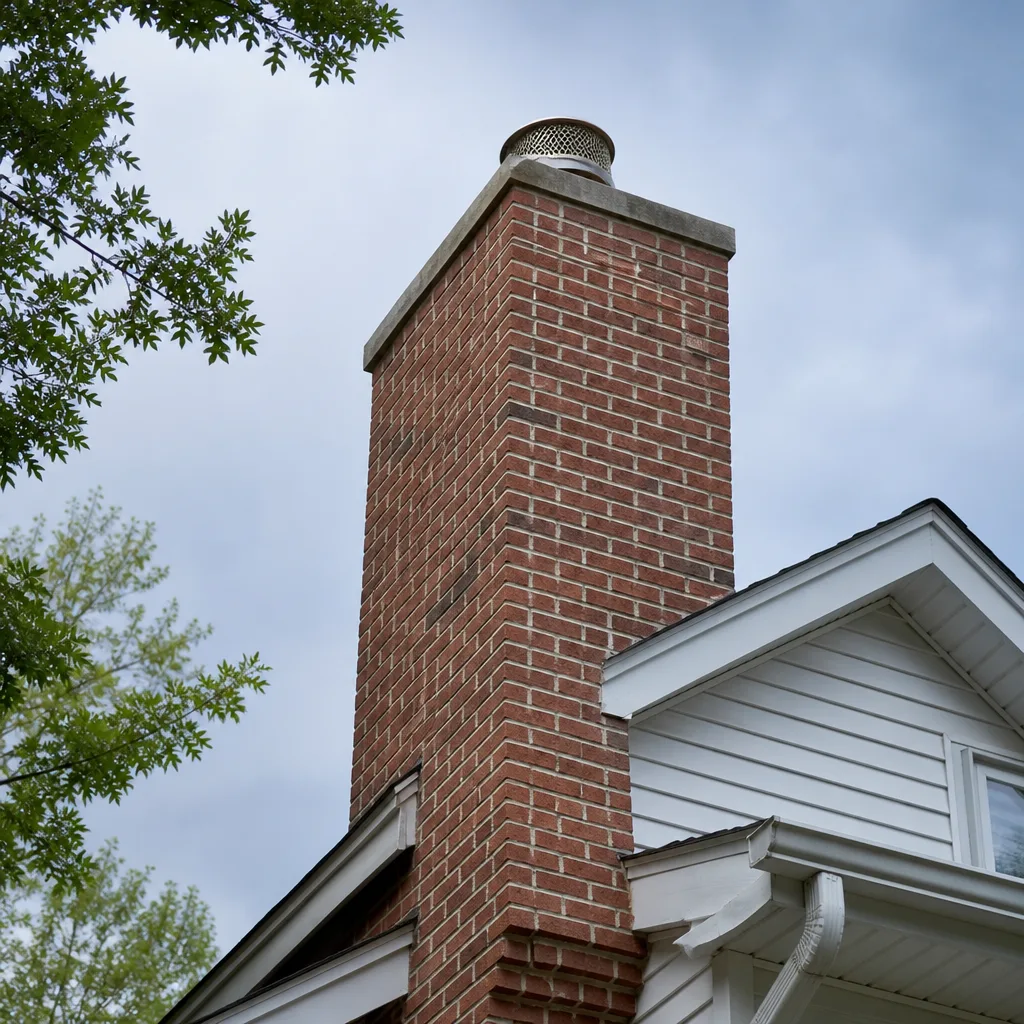 Masonry repair
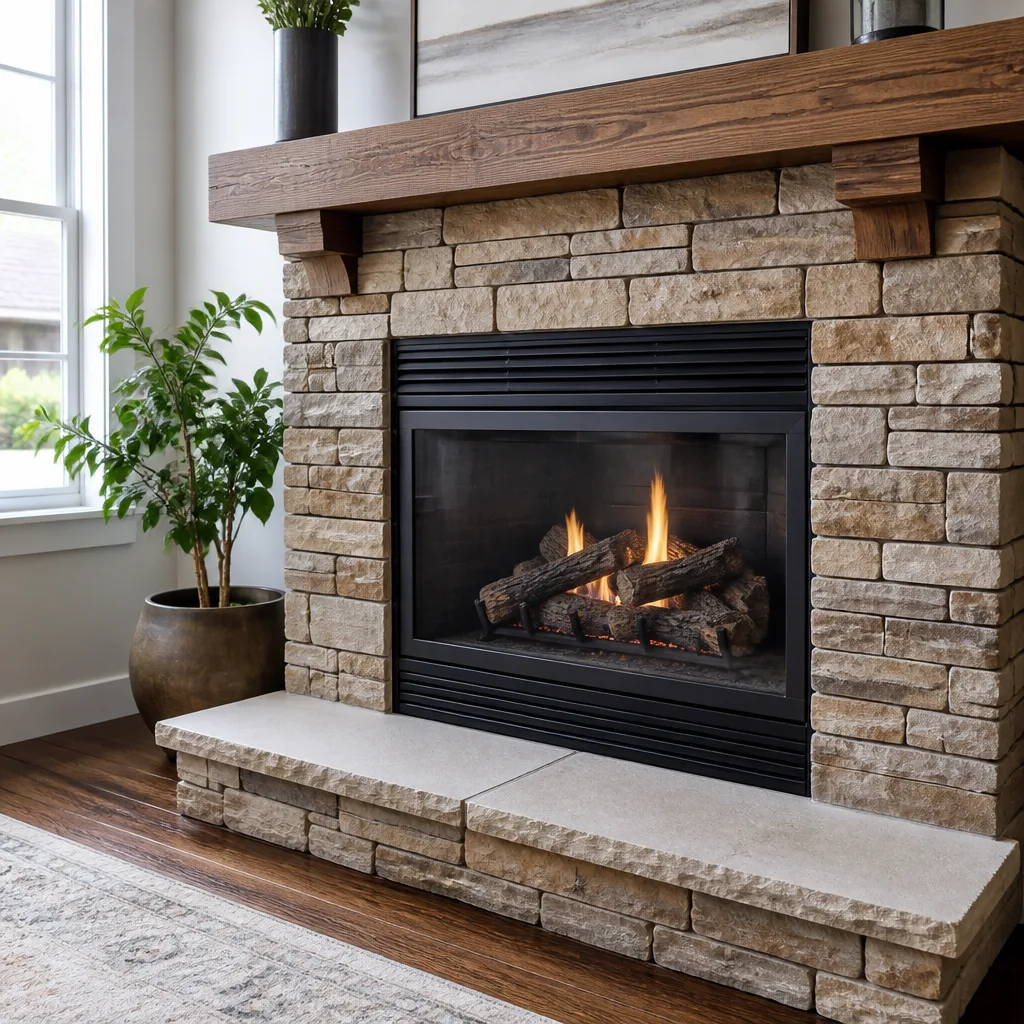 Gas fireplace service
Level 1 sweep and inspection to the NFPA 211 annual standard - flue, crown, cap, and flashing checked and photographed
Chimney sweep logs do not sweep chimneys. They loosen some creosote - which then falls where a brush and vacuum still have to collect it.
DIY vs Professional Chimney Cleaning: The Downey Homeowner’s Decision Guide
Here’s a number most Downey homeowners never hear: the National Fire Protection Association reports that chimneys and chimney connectors account for roughly one in four home heating fires. The surprising part isn’t the frequency. It’s that most of those fires start in chimneys the homeowner believed were clean. A brush kit from a hardware store removes what you can see. It does not remove what actually burns. This guide will walk you through what DIY cleaning does and doesn’t do, what a professional sweep actually accomplishes, and where the real differences live: in the stuff you can’t see from the hearth.
Styles & brands we work with
Quick Answer
For a Downey homeowner with light, first-stage soot and an accessible chimney, a basic DIY brushing can be a reasonable maintenance step. But for anything involving stage-two or stage-three creosote, an older liner, a wood-burning insert, or a chimney that hasn’t been inspected in over two years, professional chimney cleaning is the only option that actually reduces fire risk. The difference isn’t effort. It’s what a trained eye and a camera can see that a brush can’t reach.
Table of Contents
- What a DIY Cleaning Actually Removes
- The Creosote Problem: Three Stages, Three Different Jobs
- What Professional-Grade Equipment Actually Changes
- The California Liability Question That Nobody Asks
- When DIY Makes Sense (and When It Creates False Confidence)
- The Real Cost Comparison: Risk-Adjusted Value, Not Sticker Price
- How Often Should a Downey Chimney Be Swept?
- Common Mistakes to Avoid
- When to Call a Professional
- Frequently Asked Questions
- The Bottom Line
What a DIY Cleaning Actually Removes
A homeowner with a chimney brush and a drill attachment can remove loose, dry soot from the flue walls. That’s real, and it’s worth doing between professional sweeps if you burn frequently and know what you’re looking at. The brush knocks down the fluffy black powder that builds up from wood smoke, and a shop vac at the firebox catches some of what falls. For a chimney that was professionally swept last season and has seen only occasional fires since, that may be all that’s needed.
But here’s what a brush does not do. It does not remove glazed creosote. It does not tell you whether the flue tiles have cracked. It does not reveal smoke chamber deterioration, missing mortar joints, or a rusted damper. It does not confirm that the chimney cap is intact or that the crown isn’t spalling. In our experience at Brownstone Chimney Sweep home, what homeowners discover when we run an inspection camera after a DIY attempt is rarely what they expected. The brushing looks thorough. The camera tells a different story.
The Creosote Problem: Three Stages, Three Different Jobs
Every chimney fire you’ve ever read about started with the same fuel: creosote. It’s a byproduct of wood combustion that condenses on the flue walls as smoke cools. The amount that forms depends on burn temperature, wood moisture, and how restricted the airflow is. What matters for Downey homeowners is that creosote isn’t one substance. It’s three distinct stages, and they require completely different responses.
Stage One: Flaky Soot
This is the soft, dusty black residue that brushes off easily. It forms during hot, efficient burns with seasoned wood. A DIY brushing can handle this stage reasonably well. It’s loose. It falls when swept. A homeowner can remove a meaningful portion of it with a proper-sized brush and careful technique.
Stage Two: Crunchy, Tar-Like Deposits
Stage two creosote is shiny, hard, and often flaky. It forms during lower-temperature burns, when wood isn’t fully seasoned, or when the chimney is oversized for the appliance and smoke cools too quickly. This is where DIY tools start failing. A poly brush can chip at the edges but can’t remove bonded material from the flue wall. Worse, running a brush over stage two can polish the surface rather than remove it, leaving you with the impression of work done and none of the actual reduction in fire load.
Stage Three: Glazed, Glass-Like Creosote
Stage three is the one that worries us. It looks like a thick, shiny glaze, often with drips and ridges, and it is extremely fuel-dense. This forms after prolonged smoldering fires, burning green or wet wood, or prolonged neglect. A brush, any brush, will slide across it. Removing glazed creosote requires either mechanical rotary systems with metal chains or chemical treatments that break the glaze before reappointment. No amount of elbow grease from the firebox will make a dent.
Two other factors make this worse in Southern California. First, our mild climate means many Downey chimneys burn only at night or on cooler evenings, which means they run low and slow, which is exactly the burn profile that creates stage three creosote. Second, many homes here have chimneys that see little use for months, then get loaded up during a cold snap. That cycle of intermittent, low-temperature burning is a creosote factory.
What Professional-Grade Equipment Actually Changes
The equipment a professional sweep wheels in isn’t a fancier version of the brush kit. It’s a different category of tool, and the outcome is a different category of clean. Here’s what actually changes:
- Rotary sweeping systems: These use spinning metal rods or chains driven by a drill motor to mechanically break down stage two and stage three deposits. The action is aggressive where it needs to be, and the operator can feel the difference between clean flue tile and stubborn creosote. A poly brush cannot generate this kind of force.
- Inspection cameras: After a professional sweep at Chimney Sweep in Downey, the technician runs a camera up the flue. This is the single biggest difference between DIY and professional work. The camera shows the homeowner exactly what the flue looks like: clean tiles, cracked tiles, missing mortar, or a damaged smoke chamber. Photographic evidence, not a guess.
- Commercial HEPA vacuums: A shop vac with a standard filter exhausts fine creosote dust back into the room. Commercial chimney vacuums are sealed systems with HEPA filtration, designed to capture the sub-micron particles that a homeowner never even sees floating around the living room. In Downey’s tighter, older homes, that difference matters.
- Access equipment: Professional sweeps use ladder systems, roof harnesses, and when needed, scaffold. A homeowner balancing on a pitched tile roof to remove a chimney cap is taking a risk that has nothing to do with the chimney and everything to do with gravity.
When a chimney needs repair and not just cleaning, the tools change again. Our repairs use products most hardware stores don’t stock: DuraFlex liner systems sized for the specific appliance, HeatShield resurfacing material for deteriorating flue tiles, and Copperfield components where caps and dampers need replacement. These are professional-tier brands that chimney technicians specify because they’re tested to the standards of the industry, not because they’re convenient for a weekend project.
The California Liability Question That Nobody Asks
Let’s talk about the thing that almost no DIY guide mentions: what happens if you clean your own chimney and there’s a fire anyway. The uncomfortable truth is that insurance companies investigate chimney fires. They look for evidence of maintenance, and they look at who performed it. A homeowner who can show receipts from a professional chimney sweep has a documented maintenance history. A homeowner who says they “cleaned it themselves last fall” has a much harder conversation ahead.
This isn’t a threat. It’s a fact of how claims adjusters work in California, where wildfire risk has made insurance carriers increasingly rigorous about any fire-related claim. The burden of proof falls on the policyholder to demonstrate maintenance, and a receipt from a professional sweep is documented proof. A hardware store receipt for a brush kit is not the same thing.
There’s also the code question. California’s building standards and local fire codes in cities like Downey don’t mandate professional chimney sweeping for homeowners, but they do hold property owners responsible for maintaining safe venting systems. If a fire spreads beyond the chimney and causes damage to neighboring properties, the liability picture gets complicated quickly. In a dense city like Downey, where homes are often close together, that’s not a hypothetical concern.
When DIY Makes Sense (and When It Creates False Confidence)
We’re not against DIY. We’ve seen homeowners do a perfectly reasonable job of maintaining a recently cleaned chimney between professional visits. But there’s a narrow window where DIY actually makes sense, and a much wider one where it creates a false sense of security. Here’s the honest breakdown.
When DIY is reasonable:
- You had a professional sweep within the last 12 months and you know the liner is intact because you saw it on camera.
- You burn only seasoned hardwood at moderate temperatures, and you can see clearly down the flue from above that there’s only loose soot.
- You’re cleaning an accessible chimney cap or spark arrestor, which can accumulate debris and is safe to clean from a stable ladder if you’re comfortable with heights and have a spotter.
- You’re doing a quick mid-season once-over on a fireplace that sees occasional weekend use, just to knock down surface dust before the heaviest burn months.
When DIY creates false confidence:
- You don’t know what stage of creosote you have. If you can’t tell the difference between stage one and stage three just by looking, DIY is a gamble. Glazed creosote looks deceptively clean from a distance because it’s shiny and uniform.
- Your chimney hasn’t been inspected in years. Without a camera, you’re flying blind. Flue tile cracks, smoke chamber gaps, and missing mortar joints are invisible from the firebox and the roof. Yet they’re exactly what allows heat and sparks to reach combustible framing.
- You have a wood-burning insert or stove. These appliances have smaller flues, more complex connector pipes, and higher burn temperatures. They tend to produce heavy creosote loads, and the connector pipes are notoriously difficult to clean properly without specialized brushes sized for the system.
- You notice a strong odor from the fireplace in humid weather. That smell is moisture interacting with creosote. It usually indicates a substantial deposit, not a light dusting.
- Your home is in an older Downey neighborhood with a masonry chimney built before modern standards. Many of these chimneys have unlined or clay-tile-lined flues that are decades past their useful life. What they need isn’t a brushing. It’s an evaluation by someone who knows what a failing liner looks like.
The common thread: DIY is fine when you already know what’s in there and it’s nothing serious. It’s dangerous when you don’t know what’s in there and you assume that brushing makes it safe.
The Real Cost Comparison: Risk-Adjusted Value, Not Sticker Price
A common argument for DIY chimney cleaning is cost. Let’s look at the actual numbers, because the sticker price comparison misses most of the value equation. A professional chimney sweep in Downey typically runs between $180 and $350 for a standard open fireplace with one flue, depending on condition, accessibility, and whether it’s been maintained recently. A DIY brush kit costs $40 to $80. On the surface, the DIY route looks like a clear win.
But the real comparison should include what you’re buying. A professional sweep includes the full removal of creosote at all accessible stages, a camera inspection, a safety check of the damper, cap, crown, and smoke chamber, and a written report. A brush kit removes visible soot. That’s it. If the chimney needs repair, a professional identifies it before it becomes a fire. A DIY job leaves you believing everything is fine.
Here’s the risk-adjusted view: the cost of a chimney fire in Downey, where homes are often older and built close together, starts with the deductible on your homeowner’s insurance and goes up from there. Structural repairs, smoke remediation, displaced living, and the potential loss of coverage after a fire claim make a $300 professional sweep look like what it is: cheap insurance. Chimney Repair in Downey costs far less than a fire, and the same is true of prevention.
How Often Should a Downey Chimney Be Swept?
The straightforward answer is once per cord of wood burned, or at minimum once per year if you use the fireplace at all. The NFPA standard is that chimneys should be inspected at least annually and cleaned when any appreciable creosote buildup is present. “Appreciable” usually means an eighth of an inch or more of deposit. But for Downey homeowners, there are local factors worth weighing:
- Burn frequency: A fireplace that runs every evening from November through February is a different maintenance proposition than one lit twice during the holidays. Most Downey homes fall somewhere in between, but even modest use creates deposits over a season.
- Wood quality: Unseasoned wood, which many homeowners end up burning because it’s available, creates stage two and stage three creosote much faster than properly dried hardwood. In a mild climate like ours, wood takes longer to season properly, which is why so many chimneys here have creosote problems that homeowners in colder, drier climates don’t see as quickly.
- Appliance type: Glass-door inserts and wood stoves with catalytic combustors create a different creosote profile than open fireplaces. They burn hotter and more efficiently during the flame phase, but the smoldering phase produces tenacious deposits.
- Chimney condition: An older, unlined or damaged chimney accumulates creosote faster because rough surfaces catch and hold deposits. A recently lined chimney with a smooth DuraFlex pipe accumulates less and cleans easier.
Our advice: if you burn at all during the season, schedule an inspection once a year. It’s the only way to know whether you need a cleaning or not. And if you haven’t had one in two years or more, don’t try to catch up with a brush kit. Start with an inspection, because you need to know what’s in there before you try to remove it.
Common Mistakes to Avoid
- Assuming no smoke means no creosote. A chimney can have a dangerous deposit layer and still draft well enough to remove visible smoke. The absence of smoke in the room tells you nothing about the condition of the flue walls.
- Using the wrong brush size. A brush that’s too small leaves deposits along the flue wall, while one that’s too large can bind and force you to work unsafely. Professional sweeps size the brush to the flue dimensions, which is often smaller than what a big-box store sells generically.
- Burning a “creosote log” and assuming it cleans the chimney. Creosote-sweeping logs can break down some stage one deposits, but they don’t remove the broken-down material from the flue. The residue falls to the smoke shelf and firebox, where it remains flammable. These products are maintenance aides, not cleanings.
- Skipping the cap and crown check. Many Downey chimneys have cracked crowns from decades of Southern California sun and infrequent rain. A cracked crown lets water into the flue, which damages liners and accelerates creosote buildup. DIY cleanings typically skip this entirely because the homeowner never goes on the roof.
- Ignoring the dryer vent. The same fire-safety logic that applies to chimneys applies to dryer vents, which accumulate lint that ignites easily. Most chimney-only companies ignore laundry exhaust, but it’s part of a complete home fire-safety picture. Dryer Vent Cleaning in Downey is a service many homeowners don’t realize they need until someone points it out.
- Cleaning from the roof without a harness. Peaked roofs, clay tile, morning dew, and a trip to the ER are a bad combination. If you’re not comfortable working at height with proper fall protection, don’t. The chimney will still be there when a professional arrives.
- Trusting a visual check from the firebox. You can shine a flashlight up the flue and see the first few feet. That’s it. The smoke chamber, the upper third of the flue, the cap, and the crown are invisible. Most problems live exactly where you can’t see them.
When to Call a Professional
Call a professional when you haven’t had an inspection in over two years. Call when you smell smoke or creosote odor from the fireplace even when it’s not in use. Call when you notice dark, shiny, or crusty deposits on the damper or visible flue surfaces. Call when you have a wood-burning insert or stove, an older masonry chimney, or any reason to suspect the liner is compromised. Call when you want a camera inspection and a documented maintenance record for insurance purposes. Brownstone Chimney Sweep offers free estimates in Downey. Call (866) 253-8489 and we’ll talk through what you’re working with before anyone schedules anything.
Frequently Asked Questions
You can remove loose, stage-one soot with a properly sized brush, but you cannot assess creosote stage, liner condition, or smoke chamber integrity without training and a camera. For a recently inspected chimney with only light deposits, a DIY touch-up between professional sweeps is reasonable. For anything else, you’re working blind, and false confidence is worse than no cleaning at all. Call (866) 253-8489 to schedule an inspection and know what you’re actually dealing with.
A standard open fireplace sweep in Downey typically costs between $180 and $350, depending on the chimney’s condition, height, and how long it’s been since the last cleaning. The price includes creosote removal, a camera inspection, and a safety evaluation of the entire system. Additional costs apply if repairs are needed, but no repair should be recommended without camera evidence the homeowner can see. Estimates are free.
In a mild-burning climate like Downey’s, creosote tends to accumulate in dense, stage-two and stage-three layers during low-temperature, intermittent burns. Over time, the fire load increases to a point where a single hot fire can ignite it, leading to a chimney fire that can spread to the home’s structure. Skipping a few years is the most common path to a stage-three creosote problem, and glazed creosote requires professional rotary equipment to remove.
No. A chimney sweep and a chimney sweep are usually performed together by professional companies, but a sweep removes deposits while an inspection assesses condition. Sweeping without inspecting is like washing a car with a cracked engine block and calling it good. A professional visit should include both, with an inspection camera confirming the flue is clean and intact. That’s the standard at Chimney Sweep in Downey.
Many Downey homes built before the 1980s have clay-tile-lined flues that have deteriorated from decades of thermal cycling and Southern California’s temperature swings. If an inspection shows cracked tiles or gaps, a professionally installed DuraFlex liner or a HeatShield resurfacing treatment can bring the flue back to safe, code-compliant condition. This isn’t a DIY fix, and it’s not something to defer once it’s been identified.
Dryer vents are the most overlooked fire hazard in the home. Lint accumulates in the exhaust duct, restricts airflow, and ignites easily when the dryer runs hot. It’s the same fire-safety principle as a chimney: a restricted vent full of combustible material, hidden from view. Dryer Vent Cleaning in Downey applies the same professional standards to laundry exhaust that a chimney sweep applies to a flue.
The Bottom Line
A DIY chimney cleaning is a maintenance step, not a safety assessment. It removes loose soot from a clean chimney and gives you something to do on a Saturday. It does not identify glazed creosote, cracked liners, or a compromised smoke chamber, and it leaves you without the documented maintenance history that insurance adjusters expect. For the cost of a professional sweep in Downey, about the price of a decent dinner out for two, you get a camera inspection, thorough creosote removal, and an honest assessment of what your chimney actually needs. If you burn wood at all, that’s not an indulgence. It’s the cheapest fire insurance you’ll ever buy. Call (866) 253-8489 for a free estimate and we’ll start with a straight answer about what you’re working with.
Written by the team at Brownstone Chimney Sweep, serving Downey since 2012.
See the difference
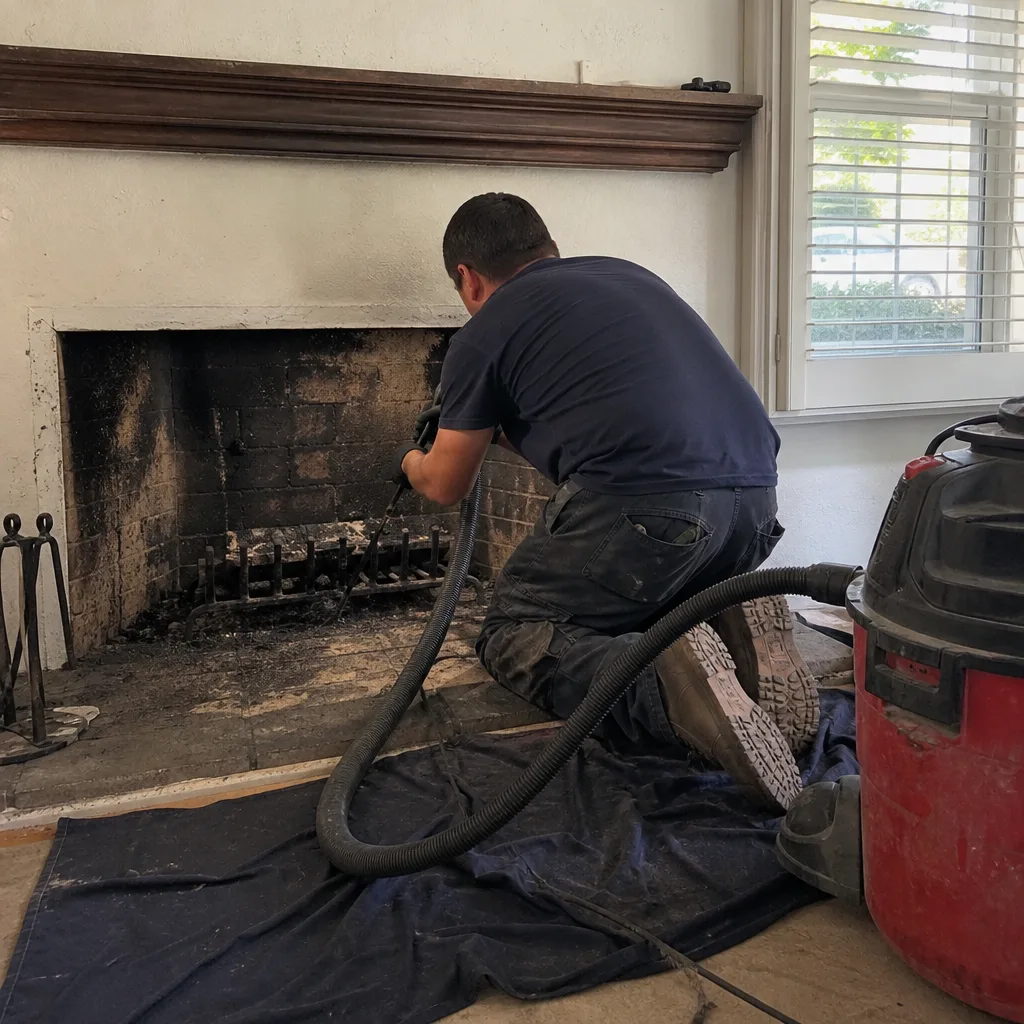 Before
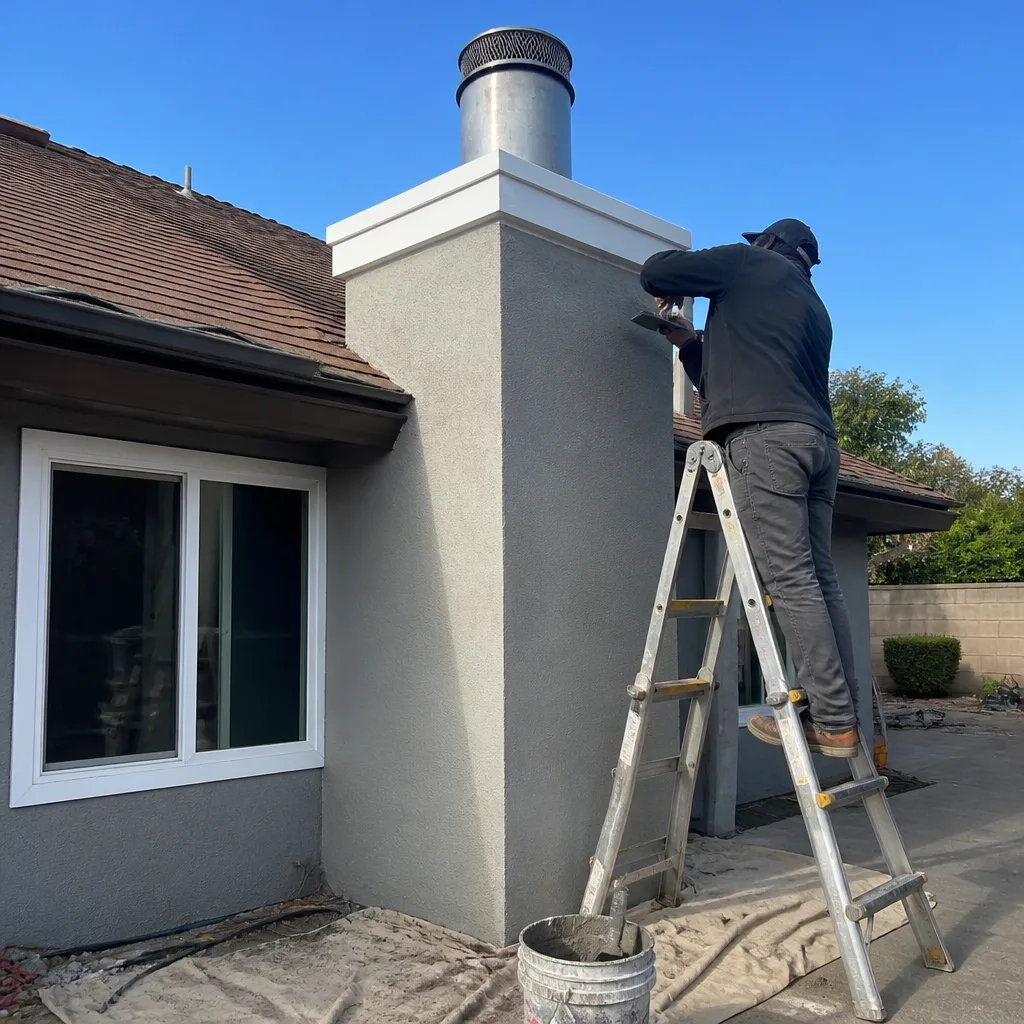 After
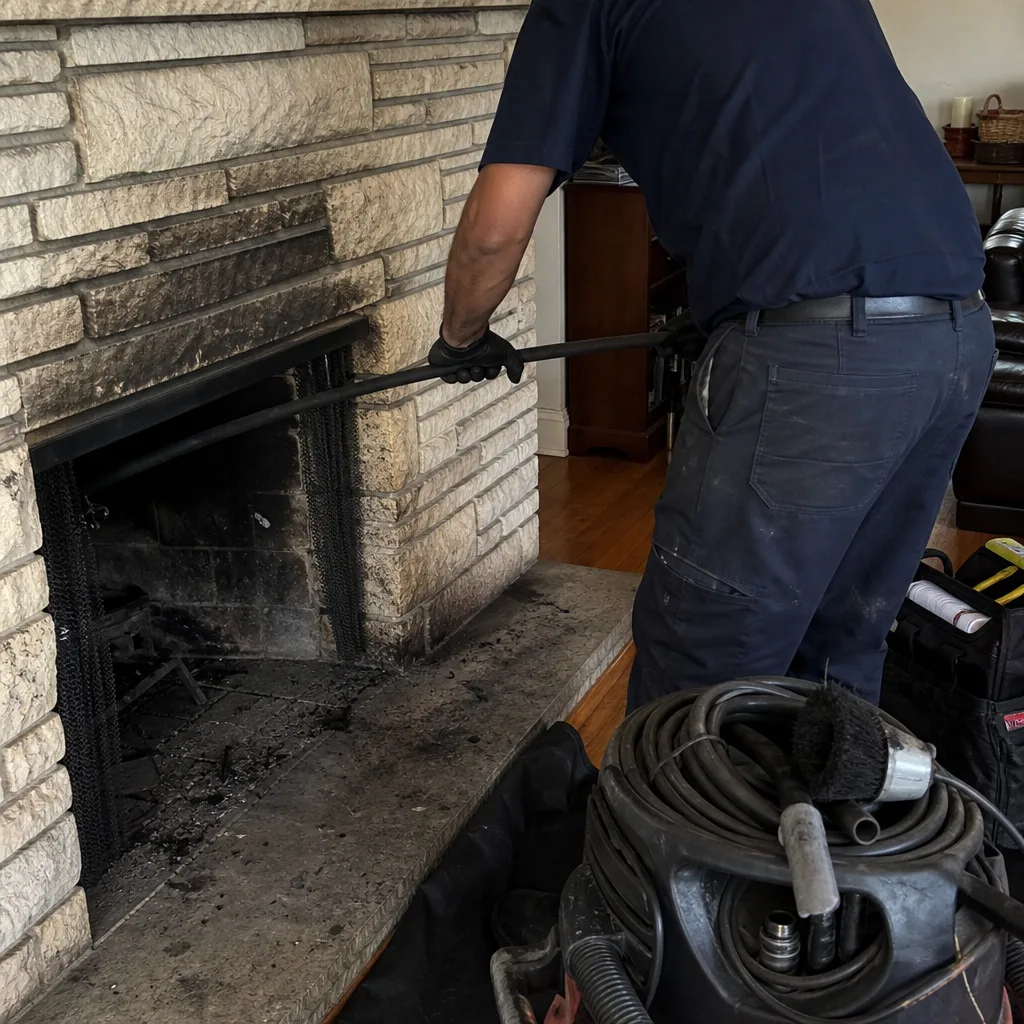 Before
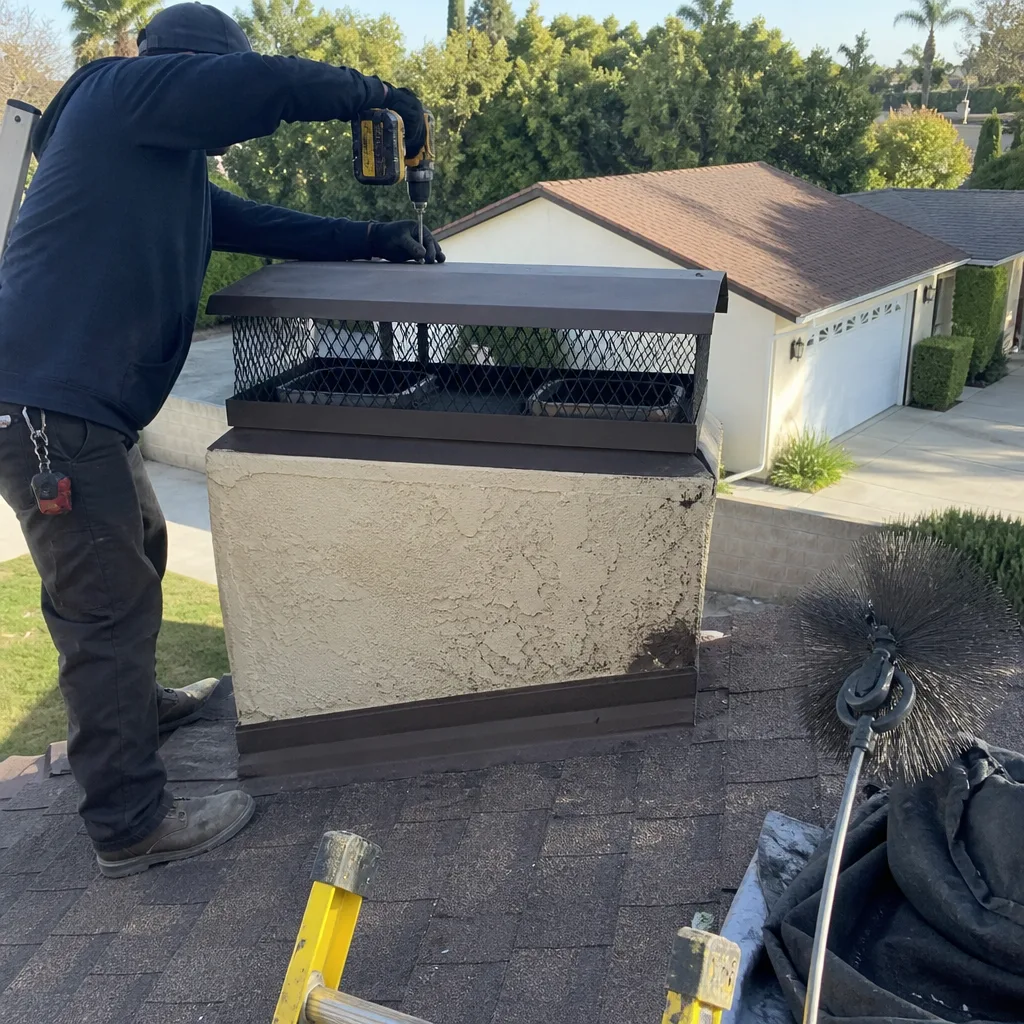 After
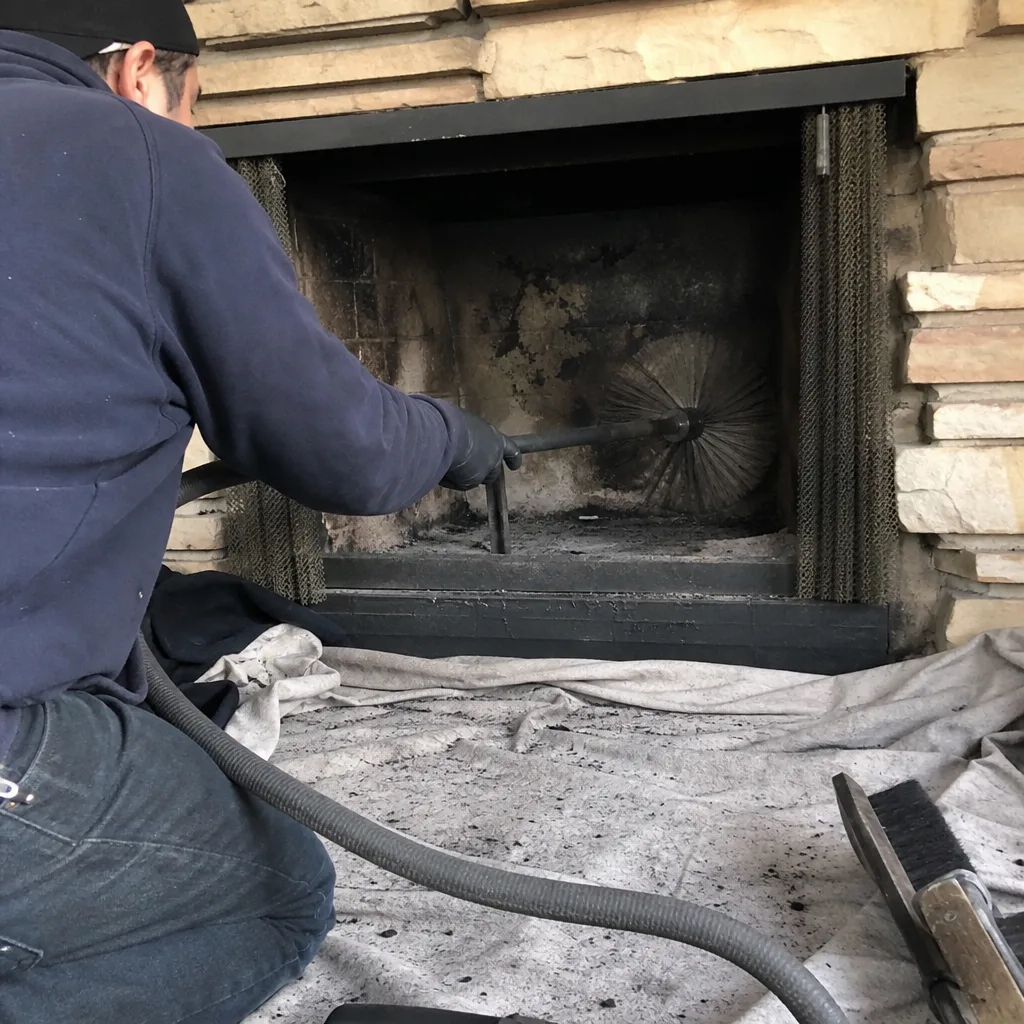 Before
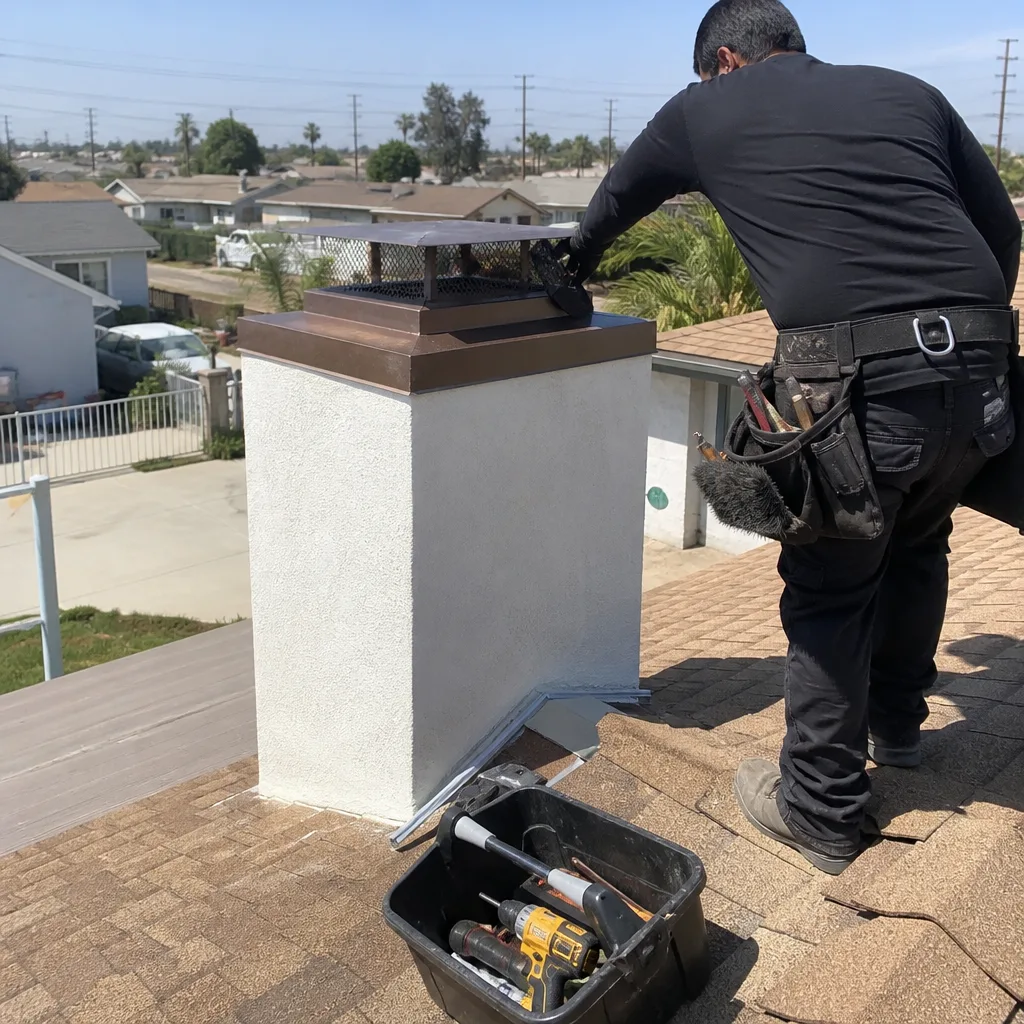 After